
From Sad Leftover to Viral Star
Open any American refrigerator and you’re likely to find it: a lonely container of leftover takeout rice, cold and clumpy. For decades, its fate was either a sad, microwaved revival or the trash can. But now, that forgotten rice is the star of a culinary
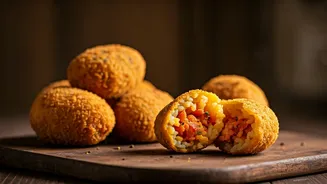
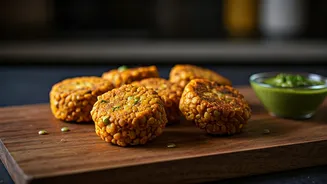
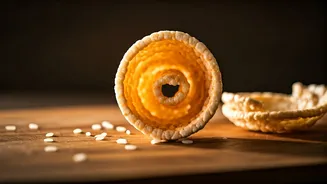
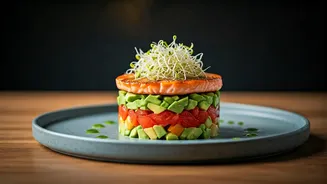
glow-up that’s taking over Instagram Reels and TikTok. The trend takes two primary forms: crispy rice and rice paper chips. The first involves pressing cold, cooked rice into a pan or mold, chilling it until firm, and then pan-frying or air-frying it into savory, golden-brown cakes. Topped with anything from spicy tuna to avocado, it’s a restaurant-quality appetizer made from scraps. The second, even simpler, involves flash-frying sheets of rice paper until they puff up into ethereal, crackly crisps, ready for dipping. It’s visual, it’s audible (that ASMR crunch!), and it’s turning kitchen leftovers into a status symbol.
The Irresistible Allure of the Crunch
To understand why this trend is so powerful, you have to appreciate a fundamental human truth: we are obsessed with crunchy food. Texture is a huge, often subconscious, driver of food enjoyment. A satisfying crunch signals freshness and provides a deeply pleasing sensory experience. Food scientists and chefs have known this for years, but social media has amplified it into a spectacle. In a 15-second Reel, the sound of a crispy rice snack breaking apart is as important as its taste. This auditory hook is what stops the scroll. Paired with the visual appeal of golden-brown edges and glistening toppings, these snacks are perfectly engineered for a digital audience. They don't just look good; they *sound* delicious, creating a craving that feels immediate and urgent.
A Win for Your Wallet and the Planet
Beyond the sensory appeal, the leftover rice trend resonates because it aligns with two major cultural currents: economic savvy and sustainability. With grocery prices remaining stubbornly high, households are increasingly looking for ways to stretch their budgets and reduce food waste. Transforming leftover rice—something many people would otherwise discard—into an exciting new meal feels like a brilliant hack. It’s resourceful without feeling restrictive. This isn’t about eating less; it’s about creating more from what you already have. This ethos of “upcycled cooking” taps into a desire for a more sustainable lifestyle, where resourcefulness is celebrated. It positions the home cook as a clever innovator rather than just a consumer, which is an empowering feeling that a bag of store-bought chips can’t replicate.
How to Get in on the Action
The beauty of this trend is its accessibility. You don’t need special equipment or advanced culinary skills. For crispy rice, the key is using cold, day-old rice, which has less moisture and holds its shape. Simply press it firmly into a parchment-lined baking dish (about half an inch thick), chill it for at least an hour or overnight, then cut it into squares or circles. A quick fry in a neutral oil for a few minutes per side is all it takes. For an even easier entry point, grab a pack of rice paper sheets from the international aisle of your supermarket. Cut them into quarters, and using tongs, dip them into hot oil (around 350°F) for just a few seconds. They’ll puff up instantly. Sprinkle with salt, smoked paprika, or your favorite seasoning, and you have a snack that rivals any artisanal chip.
Why This Trend Is Here to Stay
While many social media food fads burn bright and fade fast (remember cloud bread?), the leftover rice snack trend has the ingredients for longevity. This is why we can confidently say it’ll still be a star in 2026. First, it’s not a single recipe; it’s a technique—a platform for endless creativity. You can top your crispy rice with flavors from any cuisine. You can season your rice paper chips with anything in your spice cabinet. Second, it’s built on a foundation of sustainability and thrift, two values that are becoming more, not less, important. Finally, it’s endlessly adaptable to different diets—naturally gluten-free and easily made vegan. It's not a novelty item but a practical solution that also happens to be fun, delicious, and perfectly suited for sharing online. It represents a fundamental shift in how we see humble ingredients.