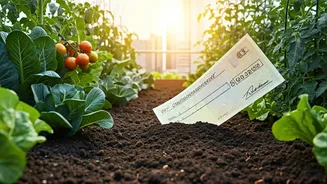






The Five-Minute Reality Check
First, let's talk about that five-minute promise. Can you complete a detailed, multi-page grant proposal for thousands of dollars in the time it takes to brew a cup of tea? Not likely. Those applications often require detailed budgets, community impact
statements, and letters of support. However, what you *can* do in five minutes is find potential grants, create an online account on a funder’s portal, and complete an initial eligibility quiz or a simple letter of interest. Many smaller grants, especially for schools or community plots, have streamlined processes that feel far less intimidating. Think of it as the first, crucial step: getting your foot in the digital door. This guide will show you how to master that initial sprint so you’re ready for the marathon.
Where to Find Garden Grants Online
The internet is your best friend here, but knowing where to look is key. Grant opportunities are typically offered by three main types of organizations: 1. Government Agencies: The U.S. Department of Agriculture (USDA) is a major source. Look into their People’s Garden Initiative, which encourages local food production. Many states also have their own Department of Agriculture grants for community gardens and urban farming. A quick search for “[Your State] department of agriculture grants” is a great starting point. 2. Non-Profits and Foundations: Organizations focused on nutrition, youth education, and community wellness are goldmines. The Whole Kids Foundation, for example, offers garden grants to schools and non-profits. FoodCorps and The Fruit Tree Planting Foundation have similar programs. These are often highly competitive but come with excellent support and resources. 3. Corporations: Many food and garden companies have their own grant programs as part of their corporate social responsibility efforts. Brands like Annie's Homegrown have offered grants for school gardens in the past. Keep an eye on your favorite organic food or garden supply companies, as they often announce these programs on their websites or social media channels.
What You Need Before You Click 'Apply'
To make your application process as fast as possible, have a few key pieces of information ready to go. Even for a simple inquiry, thinking through these details will make your project sound more credible and organized. Before you start your timer, gather these essentials: * A Clear Project Summary: In one or two paragraphs, describe what you want to do. Is it a personal kitchen garden, a school vegetable patch, or a neighborhood herb garden? Who will it serve? What will you grow? * A Simple Budget: You don't need a complex spreadsheet (unless the application demands it). Just create a basic list of expected costs: soil, seeds, lumber for raised beds, tools, and irrigation. A rough estimate between $200 and $1,000 is common for small-scale projects. * Your 'Why': Be ready to articulate the purpose of your garden. Is it to teach kids about nutrition? Provide fresh produce for your family? Foster community connections? A compelling mission can make even a small project stand out.
Your Five-Minute Application Sprint
Ready? Let's walk through a typical quick-start application process. Minute 1: Find the Portal. Navigate to the grant program’s website. Look for a button that says “Apply Now,” “Submit an Application,” or “Grant Portal.” Minute 2: Create Your Account. Nearly all online applications require you to create an account with an email and password. Do this and confirm your email if necessary. This step ensures you can save your progress and come back later. Minutes 3-4: The Eligibility Form. Many grants start with a short questionnaire to ensure you meet the basic requirements. This might include your location, your organization type (e.g., individual, school, 501(c)(3)), and the amount of funding you’re requesting. Answer these honestly. Minute 5: The Initial Submission. If it’s a simple letter of interest (LOI) or a basic form, copy and paste your pre-written project summary and budget overview. If it’s a longer application, use this time to review the questions and save your progress. You’ve now officially started, and the clock can stop.