







The End of the One-Size-Fits-All Era
For decades, the diet industry operated on a simple premise: a single set of rules, if followed perfectly, would work for everyone. Whether it was Atkins, Paleo, South Beach, or the Zone, millions of Americans bought the books, cleared out their pantries,
and tried to conform. Yet, the results were notoriously fleeting. Studies have consistently shown that the vast majority of dieters regain lost weight within a few years, leading to a cycle of hope and frustration. This widespread 'diet fatigue' is a primary driver of the current shift. Consumers are increasingly skeptical of rigid, restrictive plans that ignore individual biology, lifestyle, and preferences. The simple truth that our bodies are not identical is finally hitting the mainstream. What works wonders for your neighbor might leave you feeling tired, hungry, and defeated. This realization has opened the door for a new approach that promises to be as unique as the person practicing it.
The Tech Takeover of Your Plate
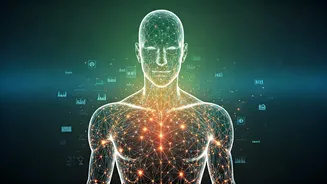
The biggest catalyst for change is the technology in our pockets and on our wrists. Personalized nutrition is no longer a futuristic concept; it’s an app. Companies like Noom have surged in popularity by using psychology and AI-driven coaching to foster behavioral change, rather than just prescribing foods. They focus on the 'why' behind eating habits, not just the 'what.' Meanwhile, a new wave of 'metabolic health' platforms is taking it a step further. Services like Levels and Nutrisense pair continuous glucose monitors (CGMs) — devices once reserved for diabetics — with an app that shows you in real-time how your body responds to a specific meal. Suddenly, the abstract idea that a banana affects you differently than it affects your friend becomes a clear, actionable data point on your phone. This bio-feedback loop transforms eating from a game of guesswork into a process of personal discovery, empowering users to make choices based on their own metabolic data.
Are You Eating for Your DNA?
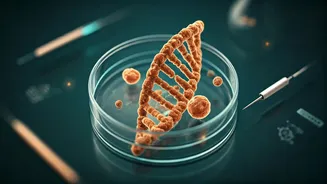
The next frontier of personalization dives even deeper, promising to tailor your diet to your unique genetic code and gut microbiome. Startups like Zoe and Viome analyze blood, stool, and DNA samples to offer hyper-specific food recommendations. The premise is that the trillions of bacteria in your gut play a crucial role in everything from digestion to inflammation, and that feeding them the right things can optimize your health. These services generate reports scoring hundreds of foods based on how they predict your body will react. While the science of gut health is rapidly evolving, many experts caution that it’s still in its early stages. The recommendations can be valuable, but they aren't medical gospel. Still, their popularity signals a powerful desire among consumers to unlock the secrets of their own biology. People are no longer content with generic advice; they want to know what works for *their* body, right down to the microbial level.
More Than Just a Number on the Scale
Beyond the technology, a profound cultural shift is underway. The conversation around health is moving away from a singular focus on weight loss and towards a more holistic concept of 'wellness.' This includes mental health, energy levels, sleep quality, and long-term disease prevention. The body positivity movement has also challenged the decades-old narrative that thinness is the ultimate prize, encouraging people to pursue health without chasing an often-unrealistic aesthetic ideal. This has weakened the power of traditional diet brands, whose marketing often relied on 'before and after' photos and shame-based motivation. Today’s consumer is more likely to ask, 'How does this food make me feel?' rather than just, 'How many calories does it have?' This focus on overall well-being over simple weight metrics is fundamentally incompatible with the restrictive nature of most generic diet plans.