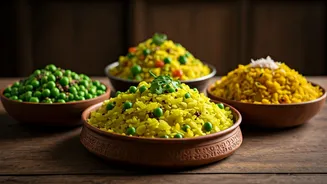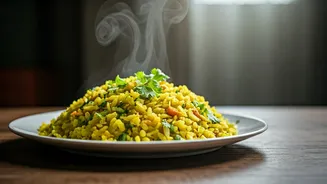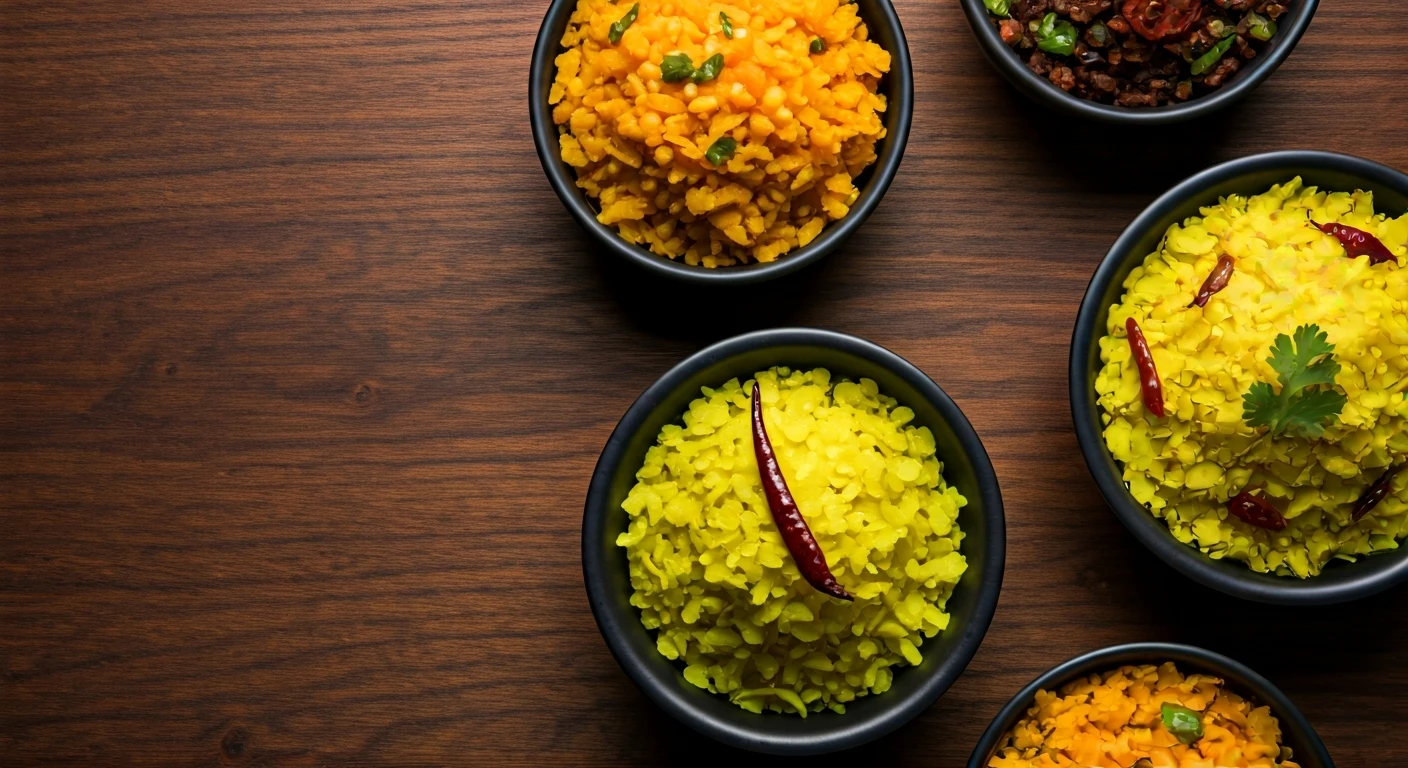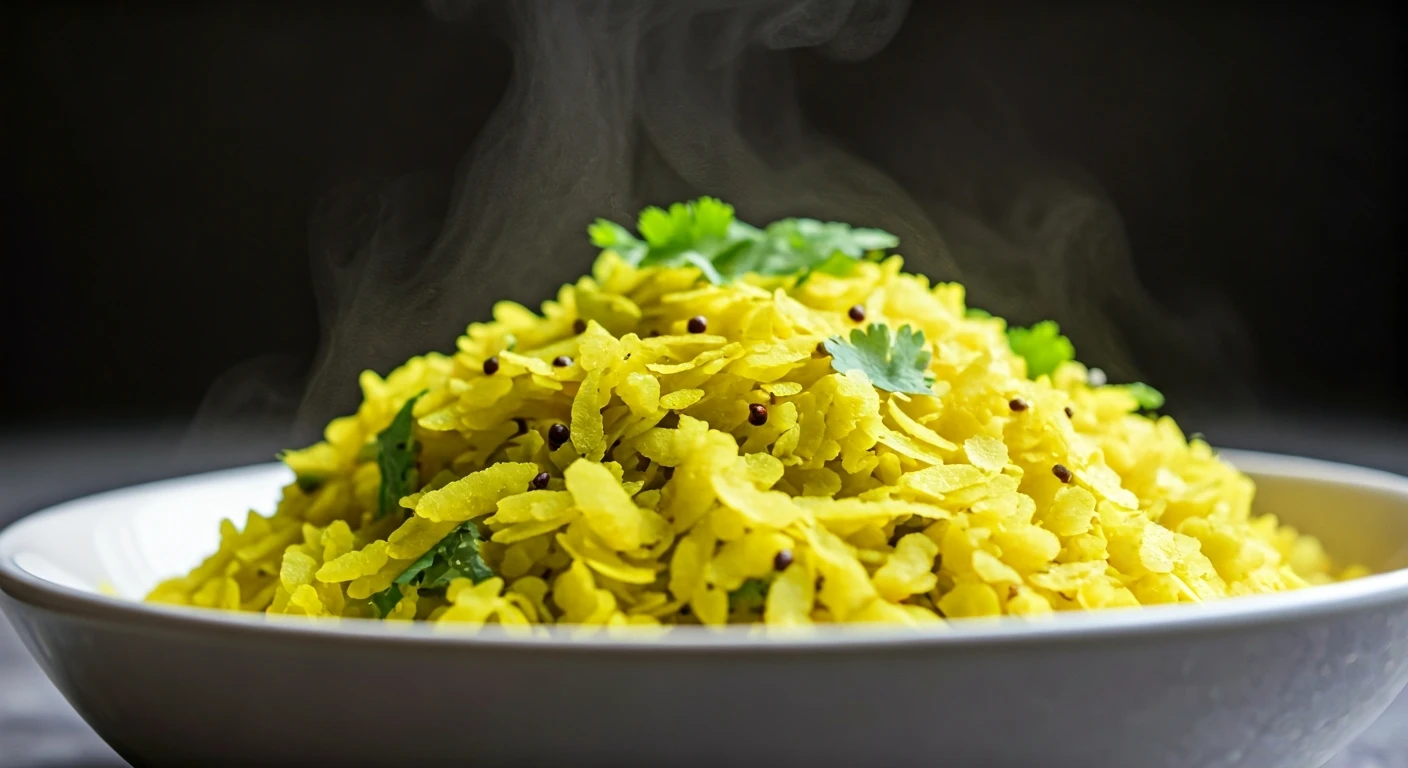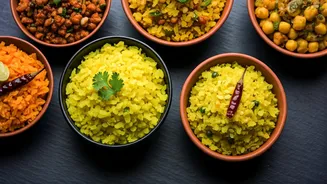


So, What Exactly Is Poha?
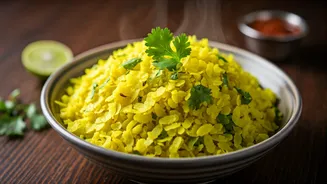
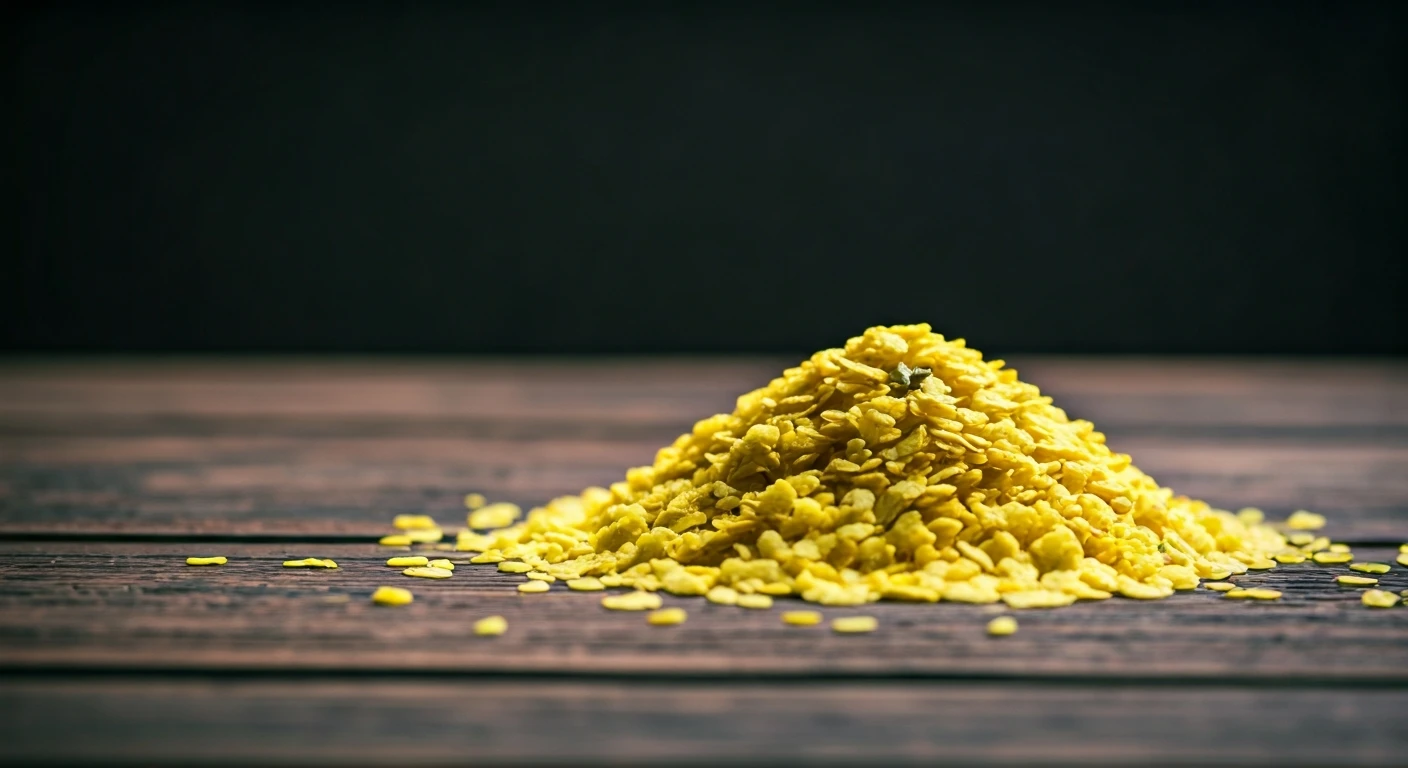
Let’s start with the basics. Poha (pronounced PO-ha) refers to both the ingredient and the finished dish. The ingredient is flattened rice, also known as beaten rice. Whole grains of rice are parboiled, flattened into paper-thin flakes, and then dried.
The magic is in their instant rehydration. A quick rinse under water is all it takes to soften them into tender, distinct flakes that are ready to absorb flavor. Unlike cooking rice from scratch, there’s no simmering or waiting. The texture is key: it’s light, fluffy, and never mushy when prepared correctly. Think of it as the savory, more sophisticated cousin to oatmeal, but with a prep time that rivals a bowl of cereal.
A Taste of Indian Home Cooking
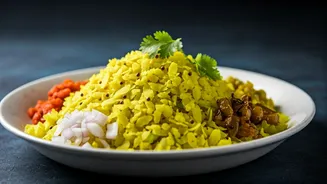
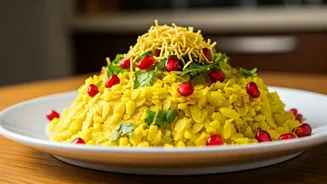
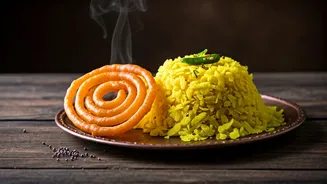
In millions of households across Western and Central India, the morning starts with the sound of mustard seeds sputtering in hot oil—the first step in making poha. It’s the quintessential breakfast in states like Maharashtra, where Kanda Poha (poha with onions) is a staple. In the city of Indore, it’s a legendary street food, where Indori Poha is served with a generous topping of crispy sev (fried chickpea noodles) and a sprinkle of the tangy spice blend jeeravan. It’s a worker’s breakfast, a student’s quick meal, and a comforting snack for a lazy Sunday. Poha isn’t a dish reserved for fancy restaurants; it’s woven into the fabric of daily life, a taste of home that’s both nourishing and deeply familiar.
The Ultimate Customizable Canvas
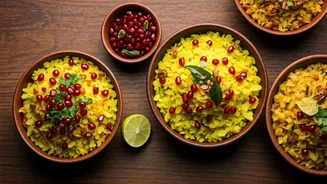
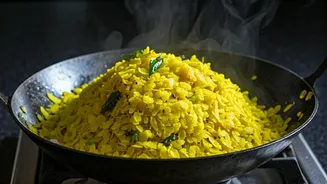
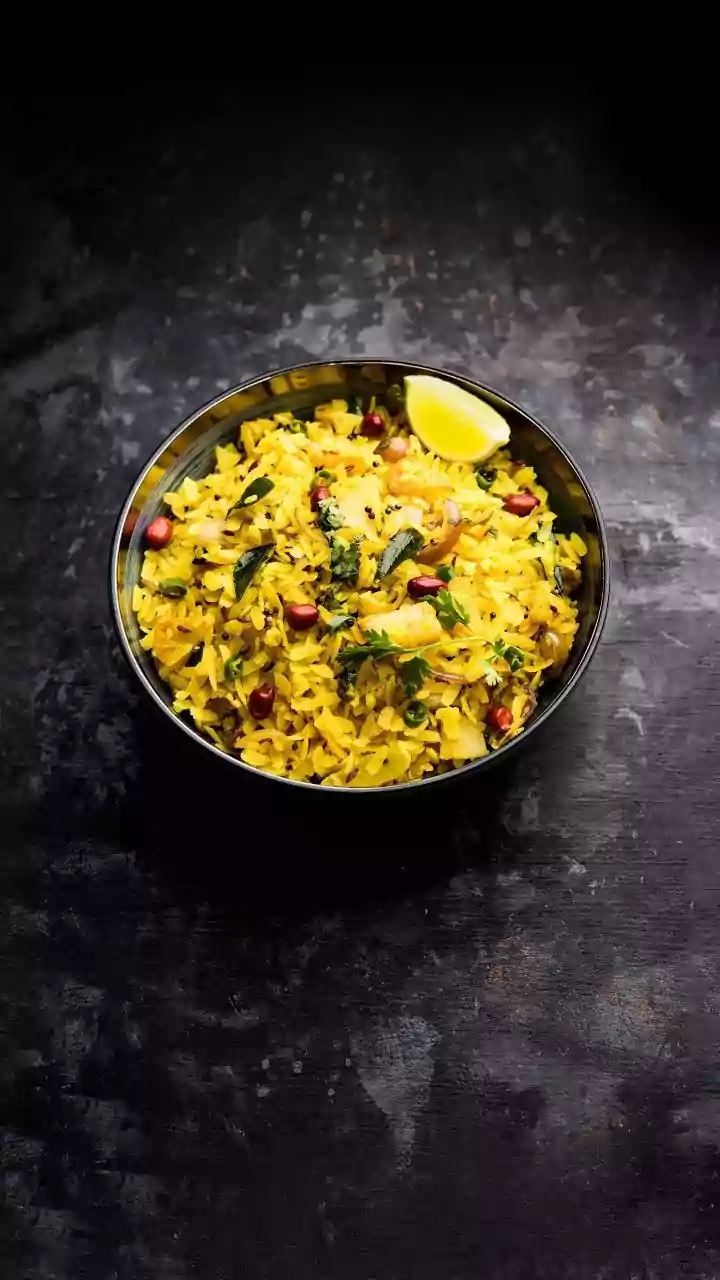
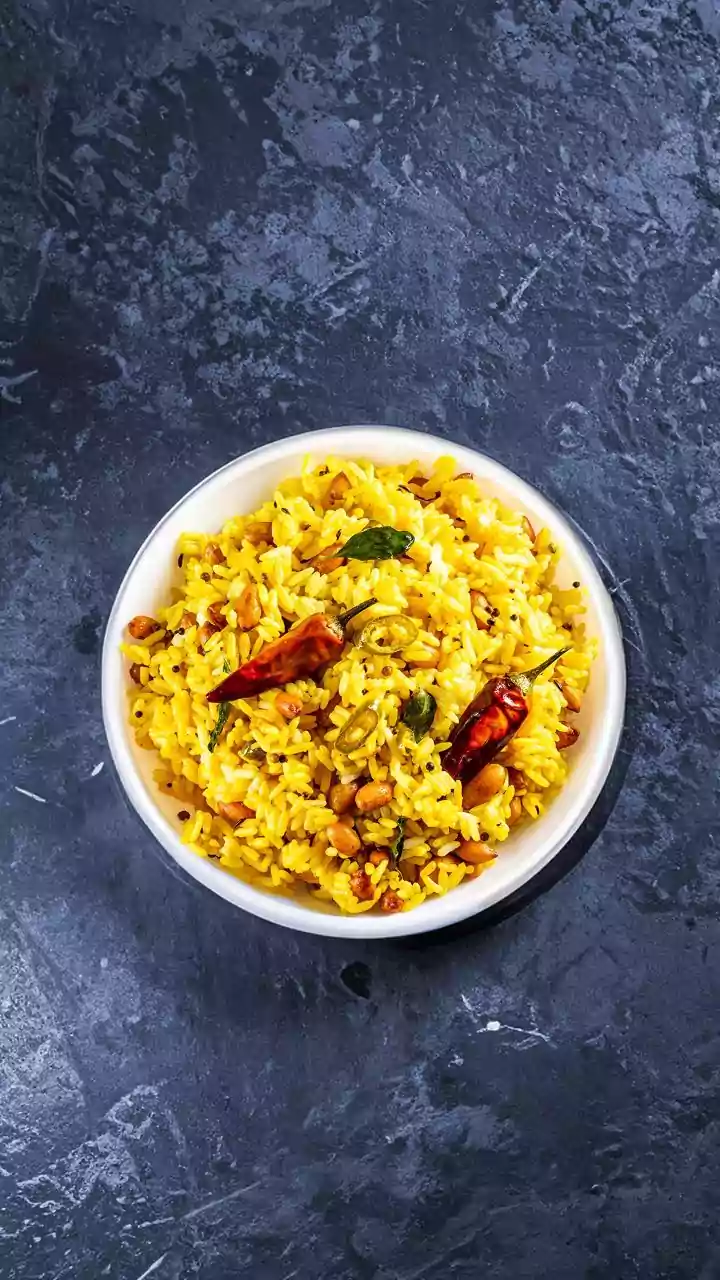
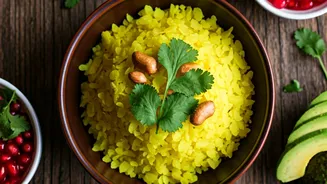
One of the greatest things about poha is its incredible versatility. The base recipe is a simple stir-fry of rehydrated rice flakes with tempered spices like mustard seeds, turmeric (which gives it its signature sunny yellow hue), and curry leaves. From there, it’s a choose-your-own-adventure meal. The most common addition is sautéed onions, but you can also add potatoes (batata poha), crunchy peanuts, green peas, or diced carrots. Some recipes call for a pinch of sugar to balance the flavors, while a generous squeeze of fresh lemon or lime juice at the end is non-negotiable for a bright, tangy finish. Garnishes are just as important: fresh cilantro, grated coconut, and that crunchy sev topping take it to the next level. You can make it as simple or as complex as you like, adapting it to whatever you have in your pantry.
Why It's a Modern Wellness Win
For anyone looking for healthier, more convenient meal options, poha checks all the boxes. First, it’s naturally gluten-free, making it an excellent choice for those with sensitivities. Because the flattened rice is so light and easy to digest, it provides a quick source of carbohydrates for energy without leaving you feeling heavy or sluggish—a welcome alternative to dense bagels or sugary cereals. The traditional preparation process also makes it a good source of iron, as the flakes are passed through rollers that can impart iron content. Plus, by loading it up with vegetables and lean protein (some people add sprouts or even a fried egg on top), you can easily craft a well-balanced meal in under 15 minutes.
Your Poha Starter Guide
Ready to give it a try? You’re not facing a culinary Everest. The main ingredient, flattened rice, is readily available at any Indian grocery store or online. Look for ‘thick’ or ‘medium’ poha for best results, as the ‘thin’ variety can get mushy. Start with a simple Kanda Poha recipe. All you’ll need are onions, mustard seeds, turmeric, a little oil, and the poha itself. The key is to rinse the poha in a colander, drain it well, and let it sit for a few minutes to soften while you sauté the aromatics. Once you master the basic version, you can start experimenting with your own additions. It's a forgiving dish that rewards creativity.