








The Magic Trick Explained
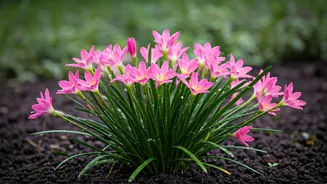
Imagine your garden after a soaking midsummer rain. The air is clean, the leaves are glistening, and then you see it: dozens of delicate, crocus-like flowers have appeared overnight where there was only green foliage the day before. This is the rain lily’s
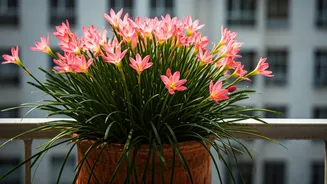
signature trick. These charming flowers, also known as fairy lilies or zephyr lilies, have a remarkable ability to respond to the moisture and barometric pressure changes associated with rainfall. They lie dormant for weeks, conserving energy, then burst into a synchronized, glorious bloom a day or two after a good storm. It’s a fleeting performance, often lasting only a few days, but its suddenness feels like a gift from the garden itself. This isn't a flower you have to coax or pamper into blooming; it’s one that simply waits for its cue from the sky.
Meet the Zephyranthes
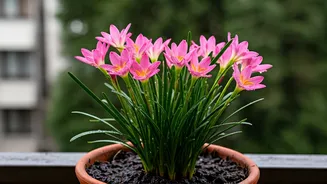
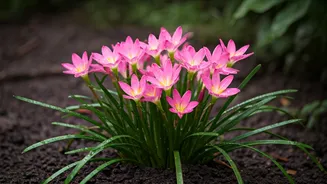
The plant behind the performance is the Zephyranthes (pronounced zef-uh-RAN-theez), a genus of bulbs native to the Americas. While they may look fragile with their slender, grass-like foliage and star- or trumpet-shaped blossoms, they are surprisingly tough and adaptable. For much of the season, their foliage provides a pleasant but unassuming green texture in a garden bed or border. It’s this quiet presence that makes their floral explosion so stunning—they truly come out of nowhere. Because they are low-growing, typically under a foot tall, they are perfect for planting along walkways, in rock gardens, or in drifts at the front of a border where their surprise appearance can be fully appreciated.
Planting Your Own Surprise
The best part of this floral trick is how easy it is to set up. Rain lilies are wonderfully low-maintenance and ask for very little. To get started, you’ll want to plant the small bulbs in the spring or fall. Choose a location that receives full to partial sun and has well-draining soil, as the bulbs don’t like to sit in soggy ground for extended periods. Plant them about 1-2 inches deep and 2-4 inches apart. The key to a dramatic display is planting in abundance. A handful of bulbs will be pretty, but a cluster of 50 or 100 will create a breathtaking carpet of color after the next rain. Once planted, they are remarkably self-sufficient. In most U.S. climates (they are typically hardy in USDA Zones 7-10), they will naturalize and multiply over the years, thickening the patch and amplifying the seasonal show. You simply plant them, water them in, and then let nature handle the rest. Forgetful gardeners rejoice: this is a plant that thrives on a bit of neglect.
A Rainbow After the Rain
While the classic image of a rain lily is often the cheerful pink of *Zephyranthes grandiflora*, there is a lovely palette of colors to choose from. This allows you to stage your surprise blooms in the hue that best suits your garden. The most common varieties include: * **White:** *Zephyranthes candida* offers crisp, pure white flowers and is one of the hardiest varieties, often blooming from late summer into fall. * **Pink:** *Zephyranthes grandiflora* (or *Z. rosea*) is the quintessential pink rain lily, producing larger flowers that make a bold statement. * **Yellow:** *Zephyranthes citrina* provides a splash of buttery yellow, while the ‘San Carlos’ variety offers a deeper golden-apricot shade. Mixing colors can create a festive, confetti-like effect, while a large grouping of a single color provides a more elegant and impactful statement. No matter which you choose, the result is the same: a stunning, spontaneous floral event that turns a simple rain shower into a reason for celebration.