



More Than a Pandemic Hobby
The sourdough starters may have gone dormant, but the gardening boom that began in 2020 has only deepened. What started as a response to empty grocery shelves and lockdown boredom has evolved into a durable cultural shift. Early on, the National Garden
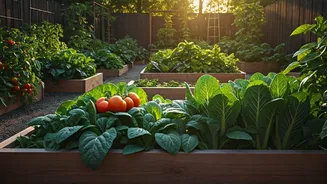
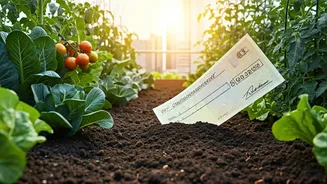
Bureau reported a massive surge in interest, with seed companies selling out and online gardening resources crashing. But unlike other pandemic-era hobbies, food gardening has stuck around. Why? The initial motivation of food security has been reinforced by a new, more persistent anxiety: inflation. As the cost of lettuce, tomatoes, and herbs continues to climb, the appeal of growing your own has moved from a novelty to a practical economic decision for millions of households. It represents a small but tangible way to reclaim control in an era of uncertainty.
The New Kitchen Calculation
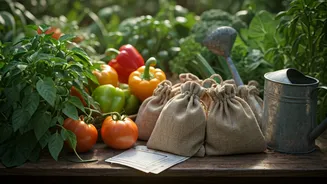
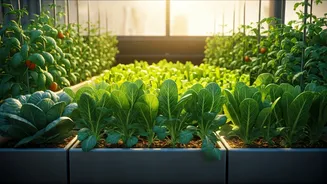
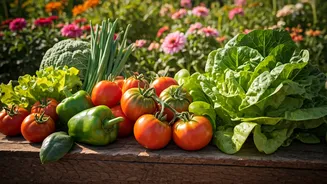
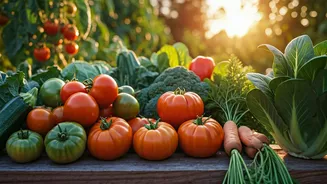
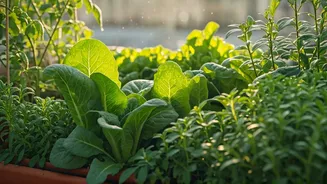
The math is simple and compelling. A single packet of tomato seeds, costing a few dollars, can yield dozens of pounds of fresh fruit over a season. A pot of basil on a windowsill can save you from buying expensive plastic clamshells of herbs every week. This isn't about achieving total food self-sufficiency—a goal that’s unrealistic for most. Instead, it's about strategic supplementation. Home growers are focusing on high-value, easy-to-grow crops that offer the biggest bang for their buck. Think salad greens that can be harvested continuously, zucchini plants that produce relentlessly, and herbs that dramatically elevate home cooking. This approach, sometimes called “grocery gardening,” chips away at the weekly food bill while providing a level of freshness and flavor that’s simply unavailable in most supermarkets. It transforms the garden from a chore into a tangible asset.
A Harvest of Wellbeing
The benefits of this trend extend far beyond the kitchen table and the wallet. There's a profound psychological upside to nurturing a plant from seed to harvest. Countless studies link gardening to reduced stress, improved mood, and a greater sense of wellbeing. It offers a gentle form of physical activity and a reason to spend time outdoors. For families, it’s a powerful teaching tool, connecting children to the natural world and showing them where food actually comes from. In a digitally saturated world, the tangible, slow-paced reality of gardening provides a necessary antidote. The satisfaction of eating a tomato you grew yourself—its flavor intensified by the sun and your own effort—is a reward that can’t be quantified but is deeply felt.
Redefining the American Garden
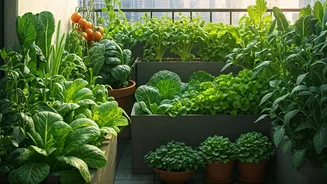
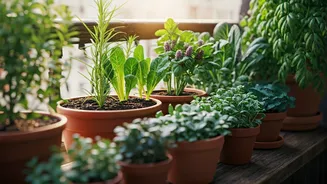
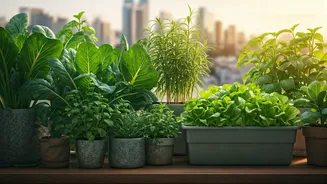
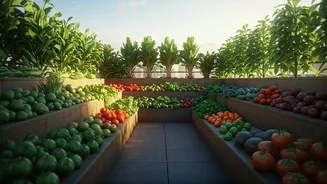
Perhaps the most exciting aspect of this movement is its inclusivity. You don’t need a quarter-acre lot to participate. The modern food garden is adaptable. It’s a collection of pots on a fire escape, a vertical wall of strawberries on a patio, or a shared plot in a community garden. Urban gardening suppliers are thriving, offering innovative solutions for small-space cultivation, from self-watering containers to compact grow lights. Community gardens are fostering social connection, allowing neighbors to share knowledge, labor, and bounty. This shift is democratizing the act of growing food, breaking down the assumption that it’s the exclusive domain of those with sprawling suburban properties. It’s a grassroots movement in the most literal sense, taking place in any patch of soil or sunlight people can find.