








The New Digital Awakening
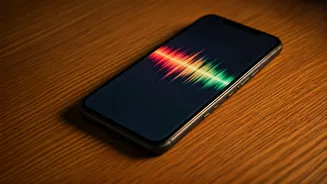
Forget the blaring alarm clock. The new sound of morning for many young Americans is a gentle, resonant chant streamed directly from a smartphone. This isn’t about hitting snooze; it’s about hitting ‘play’ on a mantra. Welcome to the world of spiritual
mindfulness apps, a burgeoning category of tech that’s finding a dedicated audience in Generation Z. While older millennials may have pioneered the use of guided meditation apps like Calm and Headspace to manage burnout, their younger counterparts are going a step further. They are seeking tools that offer not just silence or instruction, but a specific kind of spiritual resonance—often secular, always on-demand, and perfectly tailored to a life lived online. This trend represents a quiet but significant shift in how the nation’s youngest adults are approaching their mental and spiritual well-being, one download at a time.
From Meditation to Mantra
So, what exactly is a mantra-streaming app? Think of it as a hybrid of Spotify and a prayer book. These apps, such as Sattva, Insight Timer, and Black Lotus, go beyond simple breathing exercises. They offer vast libraries of chants, mantras, and sacred music from various traditions—often Vedic, Buddhist, or otherwise Eastern-inspired. Users can curate playlists for specific moods: a mantra for courage before a job interview, a chant for focus during study sessions, or a soothing sound bath to ease into sleep. The key difference from traditional meditation apps is the focus on active sound and repetition. Instead of emptying the mind, the goal is often to fill it with a positive, vibrational frequency. For a generation accustomed to personalizing every aspect of their lives, from coffee orders to playlists, the appeal is obvious. It’s spirituality as a service, customizable and accessible 24/7.
A Generation Seeking an Anchor
This trend isn’t emerging in a vacuum. Gen Z is widely reported to be the most anxious generation in modern history, navigating a world of economic precarity, climate anxiety, and political polarization. At the same time, they are significantly less likely than previous generations to be affiliated with traditional organized religion. According to Pew Research, Gen Z adults are more likely than their elders to identify as religiously unaffiliated. These mantra apps fill the resulting void, offering a sense of structure, ritual, and connection to something larger than oneself, without the dogma or institutional baggage. They provide the comfort of ancient practices repackaged for a secular, digital-native consumer. It's a coping mechanism that feels both timeless and thoroughly modern, a way to find an anchor in the turbulent sea of daily life using the very device that often contributes to the storm.
The Commodification of Calm
Naturally, this digital spiritualism has its critics. The primary concern is one of commercialization and decontextualization. When sacred chants are removed from their cultural and religious origins and served up in a freemium app model, are they stripped of their deeper meaning? Some argue that this transforms profound spiritual tools into simple consumer wellness products, another commodity to be bought and sold in the sprawling marketplace of self-care. It’s a valid critique. The digital bodega of spirituality offers convenience at the potential cost of depth. However, for the users themselves, this debate is often secondary. The primary driver is a pragmatic search for something that works. If a five-minute mantra streamed on an iPhone before a stressful day provides a tangible sense of peace and groundedness, its perceived authenticity or lack thereof may be a philosophical concern for another time.