



A Mountain Range Reborn in Rain
Stretching for nearly a thousand miles along India's western coast, the Western Ghats are more than just a mountain range—they are a UNESCO World Heritage Site and one of the world's most critical biodiversity hotspots. For most of the year, they are a rugged,
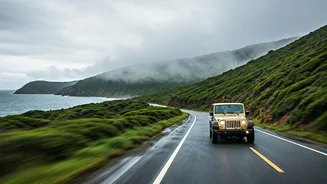
sun-baked landscape. But from June to September, the annual monsoon rolls in from the Arabian Sea, and a breathtaking transformation occurs. The rains don’t just water the landscape; they resurrect it. Dormant streams swell into powerful rivers, and dry cliffs begin to weep with thousands of waterfalls, turning the entire region into a vibrant, living ecosystem. For travelers, especially those from the U.S. who often plan trips to avoid rainy seasons, this is a powerful paradigm shift: in the Western Ghats, the monsoon isn't an inconvenience; it's the main event.
The Symphony of a Thousand Falls
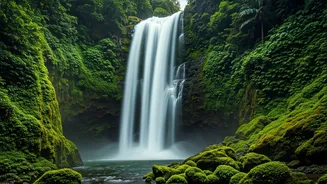
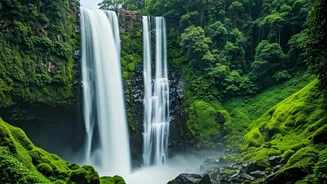
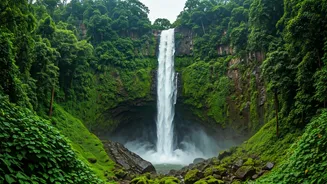
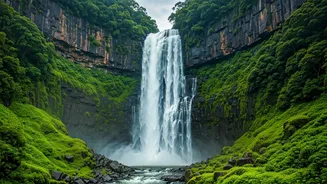
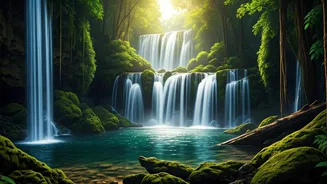
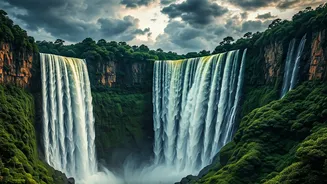
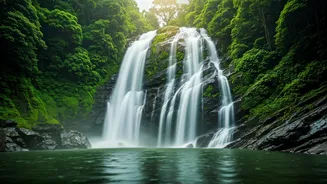
The term 'waterfall' barely does justice to the variety on display. You’ll find titans like Dudhsagar Falls in Goa, whose name translates to “Sea of Milk,” a multi-tiered giant that famously thunders past a colonial-era railway line, creating one of India’s most iconic images. Further south in Kerala, there's the majestic Athirappilly Falls, often called the “Niagara of India,” which crashes through a lush forest with cinematic force. But the true magic lies beyond the famous names. On any given drive or hike through the Ghats during the monsoon, you'll witness countless ephemeral cascades—slender ribbons of silver tumbling down black rock faces, powerful cataracts carving new paths through the jungle, and misty veils of water that seem to appear from nowhere. It's a full sensory experience: the constant, low roar of distant water, the cool mist on your skin, and the rich, earthy smell of rain-soaked soil.
Why an Excursion Beats a DIY Trip
While the allure of a solo road trip is strong, navigating the Western Ghats during the monsoon requires local expertise. This is where guided photography excursions become invaluable. These aren't your typical tourist bus tours. They are specialized trips led by local naturalists and professional photographers who know the terrain intimately. Your guide knows which roads are passable after a downpour and, more importantly, where to find the secret viewpoints that aren't swarmed with crowds. They understand the light, the weather patterns, and how to position you for that perfect, moody shot of a waterfall shrouded in fog. An excursion handles the complex logistics—transportation, safe accommodations, and permits—freeing you to focus entirely on the creative process and immersing yourself in the environment. It's the difference between simply seeing the waterfalls and truly capturing their soul.
Capturing the Power and the Mist
Photographing in monsoon conditions presents unique challenges and rewards. A sturdy tripod is non-negotiable for achieving the silky, long-exposure shots that make moving water look ethereal. Because you’ll be shooting in wet, misty conditions, a weather-sealed camera and lens are highly recommended, but even a simple rain cover can save your gear. A circular polarizing filter is another essential tool; it helps cut through the glare on wet leaves and rocks, deepening the greens and blues for a richer, more saturated image. Don’t just focus on the grand landscape. Look for smaller details: the way ferns curl with moisture, the texture of moss on a tree bark, or a single droplet clinging to a leaf. These intimate shots help tell the complete story of a landscape overflowing with life.
Planning Your Monsoon Adventure
The prime window for a waterfall photography trip to the Western Ghats is from late June through early September. Major cities like Mumbai, Pune, Goa, and Kochi serve as excellent gateways to different sections of the range. Depending on your interest, you can explore the dramatic cliffs of Maharashtra, the dense jungles of Karnataka, or the rolling green hills of Kerala. When choosing a photography excursion, look for small-group tours that emphasize responsible travel and have strong reviews from past participants. Pack layers of quick-drying clothing, waterproof hiking boots with good grip, and plenty of insect repellent. Most importantly, bring a sense of adventure. This is not a relaxing beach vacation; it’s an active, immersive journey into the heart of nature’s raw, creative power.