



The Ephemeral California Superbloom
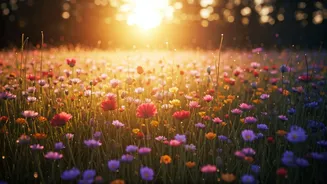
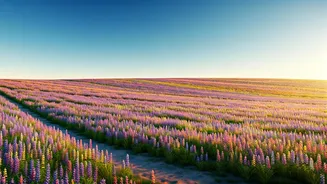
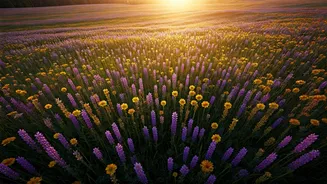
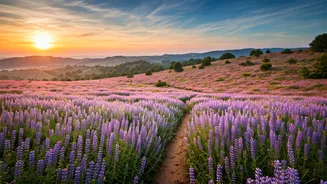
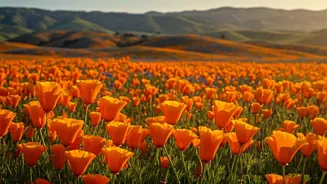
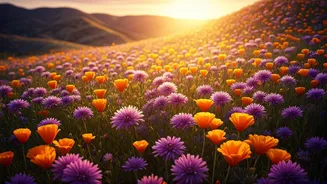
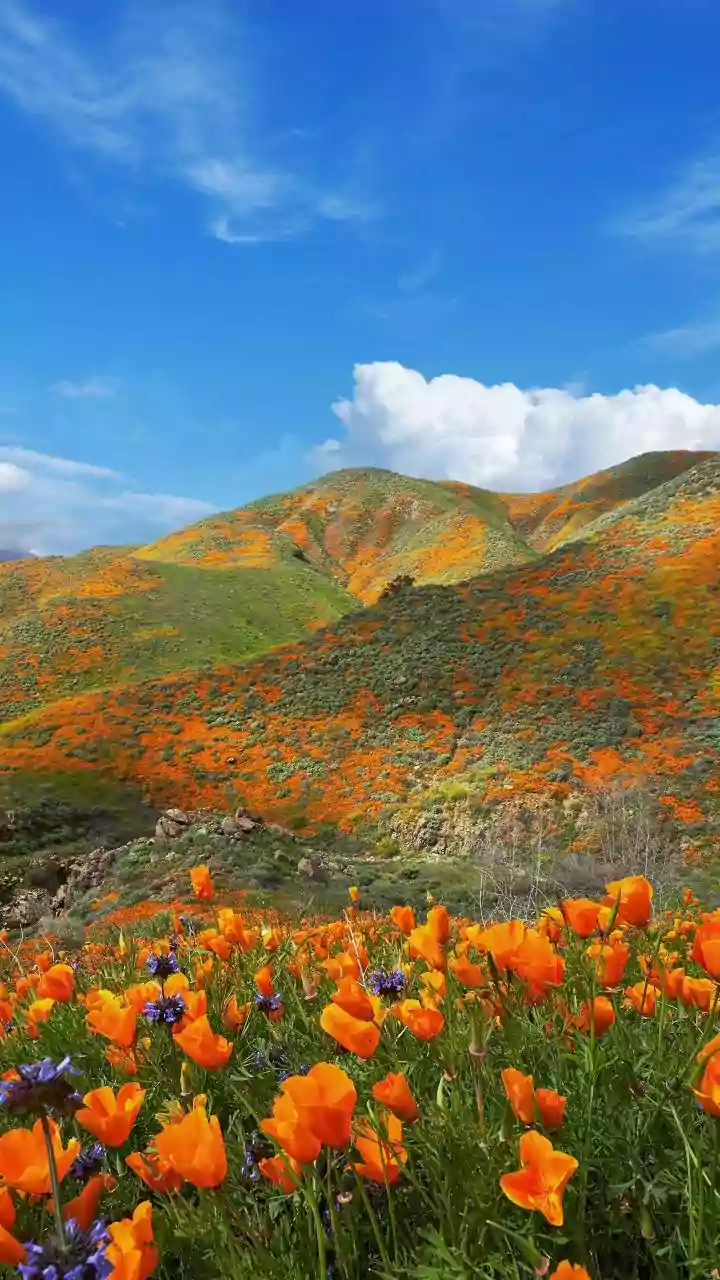
Perhaps no floral event captures the public imagination like a California superbloom. After a perfectly timed rainy season, vast swaths of the state’s deserts, from Anza-Borrego to the Carrizo Plain, erupt in a once-in-a-decade carpet of golden poppies,
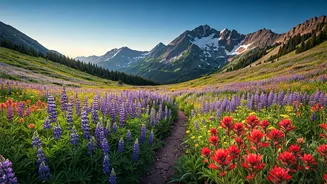
purple lupine, and countless other wildflowers. This isn’t just a bloom; it’s a resurrection. But the phenomenon is becoming the poster child for climate-driven unpredictability. Years of intense drought can suppress blooms entirely, while a sudden deluge can make them spectacular but brief. Travelers who want to witness this miracle must watch weather patterns with the dedication of a meteorologist, ready to book a flight at a moment’s notice. The window is tight, the conditions are fickle, and the next superbloom is never guaranteed.
D.C.’s Shifting Cherry Blossoms
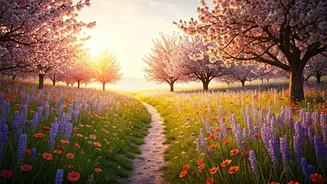
The blooming of cherry blossoms around Washington, D.C.’s Tidal Basin is an iconic American rite of spring. For over a century, the gift of trees from Japan has signaled the capital’s emergence from winter. But that signal is arriving earlier and earlier. According to the National Park Service, which tracks the blooms meticulously, peak bloom dates have crept forward due to warming trends. What was once a reliable late-March or early-April event is now a moving target. An unusually warm February can coax the buds out prematurely, only for a late frost to damage the delicate flowers. This volatility not only complicates planning for the millions who attend the National Cherry Blossom Festival but also serves as a living data point for a changing climate. To see them at their peak is to catch a beautiful, fleeting moment on a shifting timeline.
Texas Bluebonnets and the Heat
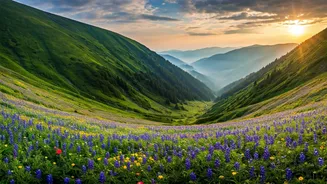
Every spring, Texas Hill Country transforms into a sea of deep blue. The beloved state flower, the bluebonnet, lines highways and blankets fields, drawing families for annual portraits and road-trippers from across the nation. This cultural touchstone, however, is not immune to pressure. Rising temperatures and inconsistent rainfall affect the timing and intensity of the bloom. An overly dry winter can result in a sparse showing, while an early blast of Texas heat can cause the flowers to wilt and go to seed far sooner than expected. The traditional six-week bloom window is no longer a given. For those looking to drive the famous “Bluebonnet Loop” near Brenham, the advice is simple: go when you hear they’re good, because they might not be there next week.
The Skagit Valley Tulip Festival
In Washington state, the Skagit Valley Tulip Festival is a more managed, agricultural version of a bloom window, but it’s just as breathtaking. Millions of tulips—in perfect, vibrant rows of red, yellow, and pink—create a landscape that feels more like Holland than the Pacific Northwest. While farmers have some control over their crops, they can’t control the weather. Unseasonably warm springs can cause the tulips to bloom and fade before the festival officially begins in April. Conversely, a long, cold winter can delay the bloom, disappointing early visitors. This tension between a fixed calendar event and a variable natural one is a hallmark of modern bloom tourism. Visitors are learning to be flexible, checking daily “bloom maps” online to plan their visit around the flowers, not the other way around.
Smoky Mountains’ Wildflower Pilgrimage
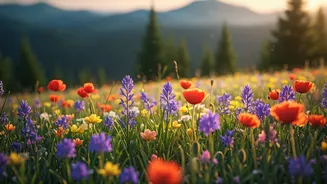
The Great Smoky Mountains National Park is a UNESCO World Heritage site renowned for its staggering biodiversity, especially its wildflowers. Over 1,500 types of flowering plants bloom here, creating a slow, rolling wave of color from late winter through fall. The annual Spring Wildflower Pilgrimage, a multi-day event held for over 70 years, brings nature lovers to witness this display. But park botanists and long-time attendees have noted changes. Certain species are blooming out of sync with their traditional partners and pollinators, and the overall schedule is in flux. Seeing the legendary lady’s slipper orchids or the seas of trillium now involves a bit of ecological detective work, trying to align travel plans with a natural calendar that is being subtly but surely rewritten.