

Embrace Your Vegetable Scraps
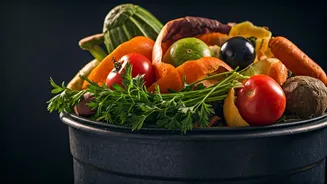
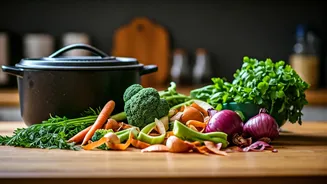
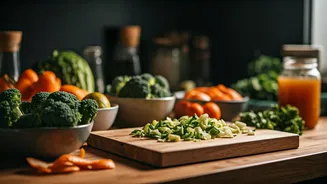
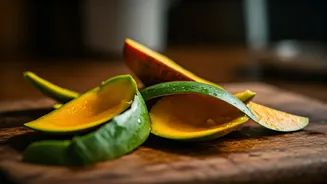
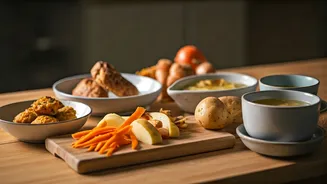
Think of the pile of carrot peels, onion skins, celery ends, and mushroom stems you discard each week. Separately, they’re just trimmings. Together, they are the foundation of a deeply flavorful vegetable stock that canned versions can’t touch. Keep a large
bag or container in your freezer and add to it as you cook. Once it’s full, cover the scraps with water in a large pot, add a bay leaf and some peppercorns, and simmer for at least an hour. Strain it, and you have liquid gold for soups, risottos, and braises. And don't stop there. Potato peels, tossed with olive oil and salt and roasted until crispy, become an addictive snack. The green tops of carrots and celery can be blitzed with nuts, garlic, and cheese to make a vibrant, earthy pesto.
Give Stale Bread a Second Act
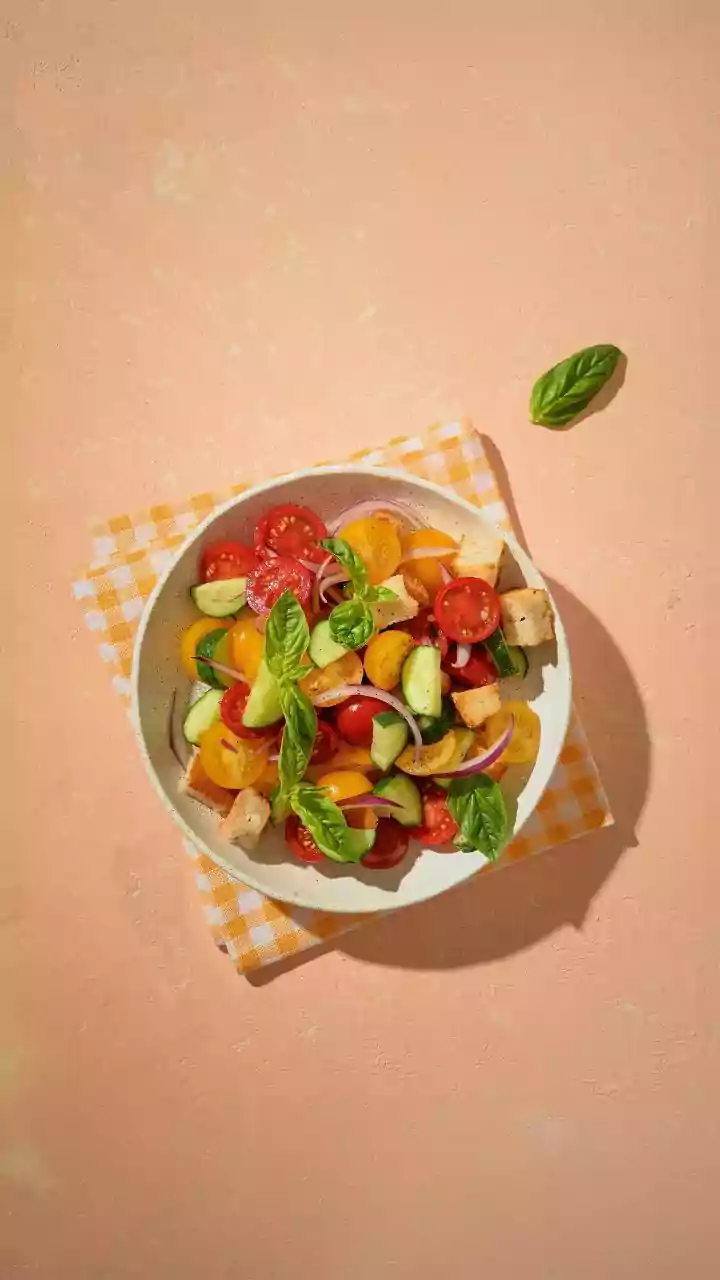
A rock-hard baguette or the forgotten end of a sourdough loaf feels like a failure, but it’s actually an opportunity. Stale bread is superior for making croutons, as its lack of moisture allows it to crisp up perfectly without becoming oily. Cube it, toss with olive oil and herbs, and bake until golden. For a finer texture, pulse it in a food processor to make breadcrumbs for coating chicken, topping mac and cheese, or binding meatballs. And let’s not forget panzanella, the classic Italian salad where stale bread is the star, soaking up the vinaigrette and tomato juices without turning to complete mush. By using dry bread, you’re not just avoiding waste; you’re using the *correct* ingredient for the job.
Unlock Flavor from Herb Stems
The tender leaves of cilantro, parsley, and basil get all the glory, but their stems are packed with just as much flavor, albeit in a tougher package. Finely chopping woody cilantro or parsley stems and adding them to sautés, stews, or marinades releases their aromatic oils early in the cooking process, building a deeper flavor base. For a more subtle infusion, bundle a handful of herb stems with kitchen twine and drop them into a pot of soup or beans as it simmers, removing the bundle before serving. You can also create herb-infused oils by gently warming stems in olive oil over low heat, or even blend them into a “stem-pesto” for a more rustic, intense flavor.
Never Toss a Cheese Rind
That waxy, hard rind from a wedge of Parmesan or Pecorino is pure, concentrated umami. While it’s too tough to eat on its own, it’s a powerhouse ingredient for flavoring liquids. Drop a rind into your next pot of tomato sauce, minestrone soup, or bean stew. As it simmers, the rind will soften and release its salty, nutty, and savory notes into the broth, adding a layer of complexity you can’t get any other way. It won't fully melt, but it will become soft and slightly gooey. Just remember to fish it out before serving. This simple trick is a hallmark of traditional Italian cooking and an easy way to elevate your dishes from good to great.
Build a Better Broth with Bones
The carcass from a roasted chicken or the bones from a steak are culinary gold. Instead of tossing them, use them to make a rich, nutritious stock. Roasting the bones first deepens the flavor, then you simply simmer them in water with your vegetable scraps (see above) for several hours. The result is a collagen-rich broth that adds body and unparalleled flavor to sauces, gravies, and soups. It’s the secret behind many restaurant-quality dishes. Keep a bag in the freezer for chicken, beef, or even fish bones, and you'll always have the foundation for a superior meal on hand.