





When the Thermometer Breaks
Imagine planning a year for your perfect two-week tour of Northern India, only to land in a city hotter than any place you’ve ever experienced. This isn't a hypothetical. In the spring and early summer of 2024, a devastating heatwave swept across India, shattering
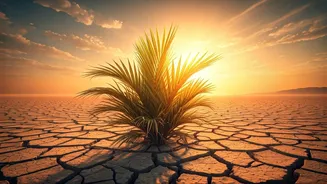
records and turning daily life into a battle for survival. In Delhi, temperatures flirted with a staggering 122 degrees Fahrenheit (50 degrees Celsius). In the desert state of Rajasthan, a bucket-list destination famous for its palaces and forts, the heat was so intense that it warped roads and triggered widespread health alerts. This wasn’t just a hot summer; it was a climate event of historic proportions, with India's meteorological department issuing its highest-level “red alerts” for severe heat across multiple states, urging residents to stay indoors and avoid exertion.
From Itinerary to Emergency Room
For tourists caught in the inferno, meticulously planned itineraries evaporated in the shimmering heat. The idea of a mid-day stroll through Jaipur’s Amber Fort or a bustling market in Delhi became not just unwise, but dangerous. Instead of exploring, many travelers found themselves confined to their air-conditioned hotel rooms from 10 a.m. to 5 p.m., watching their vacation days slip away through a window. The headline’s “rescue plans” became a literal reality for some and a metaphorical one for many. Reports emerged of travelers suffering from severe heat exhaustion and heatstroke, requiring medical intervention. For others, the rescue was about salvaging the trip itself: abandoning multi-day treks, canceling outdoor excursions, and booking last-minute flights to cooler regions in the south or the Himalayan foothills. Tour operators found themselves acting as logistics managers for emergency plan-changes, re-routing clients and trying to manage expectations in the face of an unpredictable and dangerous environment.
A Nation on High Alert
While tourists faced disappointment and disruption, the crisis for India’s 1.4 billion people was existential. The extreme heat strained the country's power grid, leading to rolling blackouts that knocked out air conditioning and fans when they were needed most. Water sources dwindled, exacerbating a nationwide scarcity. For the millions of Indians who work outdoors—from construction workers to street vendors to farmers—the choice was between risking their health and losing a day's wage. Schools were closed, and hospitals set up special units to treat a surge in heat-related illnesses. The heatwave was a national emergency that laid bare the profound vulnerability of daily life to climate extremes. For travelers, it was a sobering, front-row seat to a crisis that extends far beyond a ruined vacation, highlighting the immense challenges faced by the local population.
The New Climate of Travel
What’s happening in India is a flashing red light for the future of global tourism. It's not an isolated incident. In recent years, similar stories have emerged from Southern Europe, where summer wildfires have forced evacuations from Greek islands, and from the American Southwest, where extreme heat has made national parks hazardous. The concept of a “shoulder season”—the pleasant months just outside of peak season—is shrinking. In many destinations, the choice is no longer between high season and low season, but between tolerable heat and dangerous heat. Travel experts now suggest that destinations like India may need to be reconsidered as winter-only destinations for many travelers. This shift has enormous implications, not just for tourists but for the local economies that have built themselves around a predictable annual flow of visitors. The Indian heatwave is a stark reminder that climate change isn't a distant, abstract threat; it’s here, and it's rewriting the map of where, when, and how we can travel.