



A Shift from the Standard Menu
For years, tourist hubs across India, even in distinct regions like Himachal Pradesh, have often catered to visitors with a familiar, pan-North Indian menu: butter chicken, paneer tikka masala, and naan. While delicious, this generic fare can obscure
the unique culinary identity of a place. The recent Shimla Summer Festival marked a notable shift. Organizers and local vendors made a conscious effort to showcase food that locals eat at home and during celebrations—dishes that tell the story of the mountains. Instead of the usual suspects, festival-goers were drawn to stalls serving food with unfamiliar names and unforgettable flavors, creating long lines and a buzz that rippled through the event. It was a clear signal that travelers are hungry for something more than just a meal; they're craving a genuine taste of the region itself.
The Communal Feast: The 'Dham'
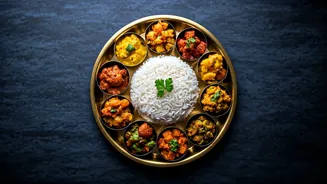
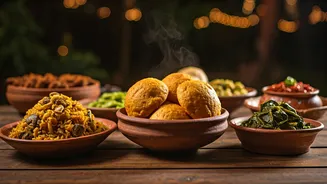
One of the biggest draws was the Himachali 'Dham,' a traditional multi-course meal that’s more of an event than a dish. Historically served at weddings, religious feasts, and community gatherings, the Dham is a masterclass in slow food. It’s prepared in large brass pots over a wood fire by a specific caste of Brahmin chefs known as 'botis.' The meal is almost entirely vegetarian, featuring a sequence of lentils, beans, and vegetables cooked in yogurt or buttermilk-based gravies, each with a distinct flavor profile. Dishes like Madra (chickpeas in a yogurt and spice gravy), Chha Gosht (a rare lamb dish from the Chamba region), and various dals are served on leaf plates, typically eaten while sitting on the ground. The Dham isn't just food; it's a cultural institution, and its presence at a public festival gave visitors a rare and accessible window into the soul of Himachali hospitality.
That Steamed Sensation: Siddu
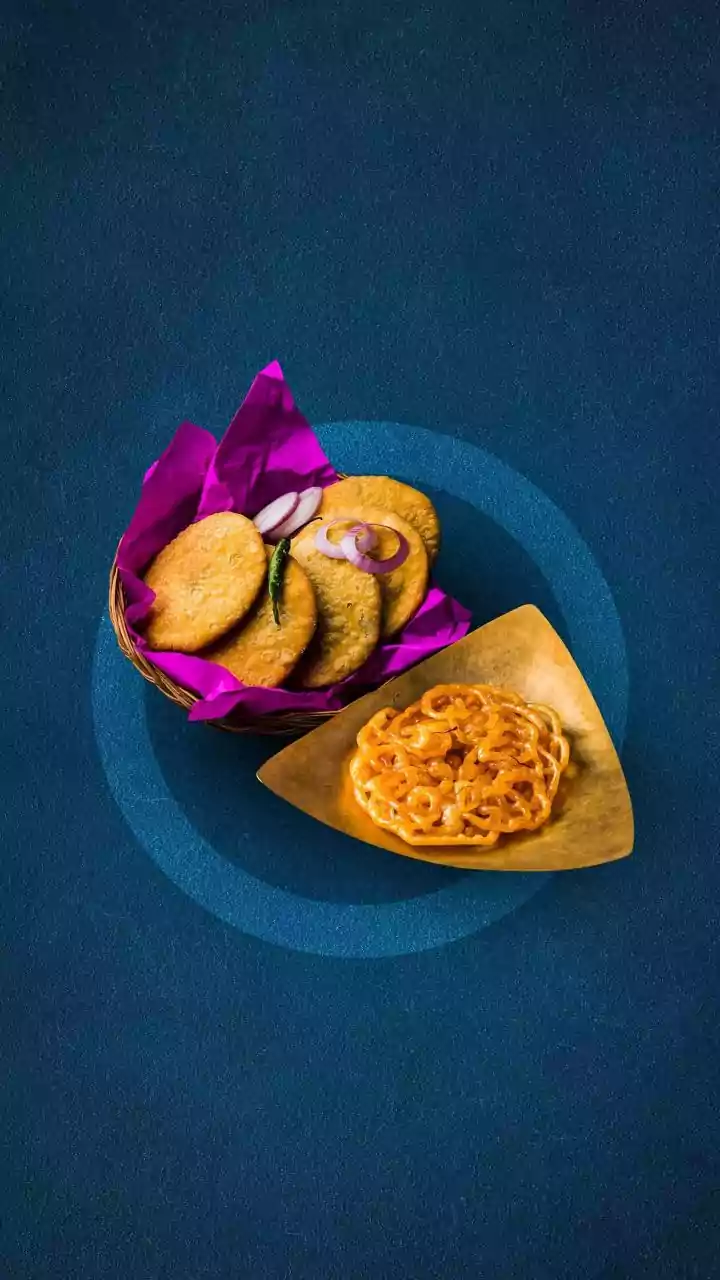
If one dish could be called the breakout star, it was the humble 'Siddu.' This fist-sized, yeasted bread bun is a staple snack in the colder, upper reaches of Himachal. Made from wheat flour, it's stuffed with a savory paste of ground walnuts, poppy seeds, or roasted barley, and then steamed until fluffy. It looks unassuming, but breaking one open releases a fragrant, earthy aroma. The classic way to eat Siddu is to tear off a piece and dip it in a generous serving of melted ghee (clarified butter) or a zesty walnut chutney. Its comforting texture and rich, nutty filling make it the perfect mountain comfort food. For festival attendees, it was a delicious, portable, and utterly unique discovery—the kind of food memory that defines a trip.
Flavors Forged in the Mountains
What makes Himachali food taste so different? The answer lies in the geography. The region's harsh climate and terrain shaped a cuisine that relies on preservation and locally available ingredients. Traditional recipes make spåring use of tomatoes, onions, and garlic, which are common bases for curries elsewhere in India. Instead, Himachali cooking builds flavor with yogurt, buttermilk, and distinct souring agents like dried mango powder ('amchur') or pomegranate seed powder ('anardana'). The primary cooking fat is often pungent mustard oil, which imparts a sharp, unique character. Spices are used judiciously, with an emphasis on whole spices like cloves, cardamom, and cinnamon, which are slowly simmered to infuse the dishes with complex, aromatic warmth. This results in food that is tangy, earthy, and layered, a world away from the creamy, tomato-heavy curries many tourists expect.