




Understanding the Monsoon
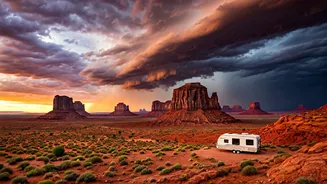
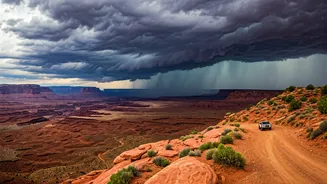
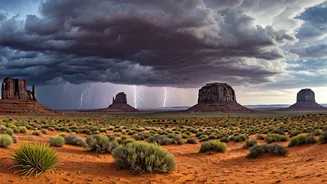
First, let's clarify what we’re talking about. The North American Monsoon isn't a single, weeks-long storm. It’s a seasonal pattern, typically from mid-June through September, that brings moisture from the Pacific and Gulf of Mexico into the desert Southwest.
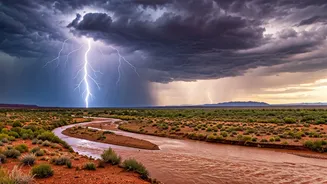
This creates conditions for sudden, often intense thunderstorms, particularly in the afternoons. States like Arizona, New Mexico, and parts of Utah, Colorado, Nevada, and California are all affected. The results are a mixed bag for travelers. You get spectacular cloud formations, lightning shows, the scent of rain on dry creosote, and a welcome break from the oppressive summer heat. But you also get the potential for flash floods, flight delays, road closures, and hiking trail washouts. The key isn't to avoid the region, but to plan for its unique summer personality.
Fortify Your Flight Bookings
Your travel plans are only as strong as their weakest link, and for many, that’s the flight. While you can't control the weather, you can control your booking. This season, steer clear of “basic economy” fares if possible. While cheaper, they offer zero flexibility. A standard economy ticket often allows for changes for a fee or, depending on the airline, a travel credit if you need to adjust your plans. Always be aware of the Department of Transportation’s “24-hour rule,” which allows you to cancel a booking made at least seven days before departure within 24 hours of purchase without penalty. This gives you a brief window to reconsider. More importantly, book directly with the airline. If a storm system leads to mass cancellations, airlines will issue weather waivers, but resolving issues is infinitely easier when you're their direct customer, not a third-party booking site’s.
Secure Flexible Stays and Activities
That non-refundable hotel rate might save you 15%, but it could cost you 100% if a flash flood closes the only road to your resort. When booking accommodations, pay close attention to the cancellation policy. Many hotels offer a slightly more expensive “flexible” rate that allows you to cancel with just 24 or 48 hours’ notice. This is your single best defense against losing money on lodging. The same logic applies to rental cars and pre-booked tours. Read the fine print. Can you cancel that guided hike or Jeep tour if a thunderstorm is forecast? Will the rental car company be flexible if your flight is delayed a full day? Opting for providers with generous cancellation policies gives you the power to adapt your itinerary on the fly, turning a potential disaster into a minor reroute.
Demystifying Travel Insurance
Travel insurance can be a trip-saver, but only if you understand what you're buying. Standard trip cancellation insurance will typically reimburse you for non-refundable costs if your trip is canceled or interrupted for a *covered reason*. A flight cancellation due to severe weather is often a covered reason. Simply being afraid of a potential storm is not. If you want the ultimate safety net, you’ll need to look for a policy with a “Cancel For Any Reason” (CFAR) add-on. This is a premium upgrade that allows you to cancel for, well, any reason, and get a substantial portion of your prepaid costs back (usually 50-75%). CFAR policies are more expensive and have strict purchase windows, but for a pricey, complex trip during a volatile weather season, the peace of mind can be worth the investment.
On-the-Ground Smarts
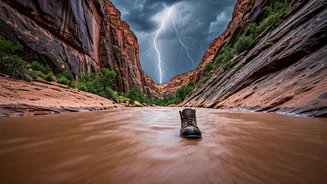
Once you're in the monsoon region, being prepared is part of the adventure. Check local forecasts every morning. Plan strenuous outdoor activities like hiking for the early hours when storms are least likely. Heed all warnings about flash floods—they are the primary danger. Never, ever attempt to drive through a flooded wash or road. A mere six inches of moving water can knock you off your feet, and a foot can sweep a car away. Have a backup plan. If your hike gets rained out, what’s a great local museum, brewery, or gallery you can visit instead? Building this flexibility into your daily mindset transforms a potential frustration into an opportunity for a different kind of discovery. Embrace the rhythm of the desert: active mornings, and relaxing afternoons watching the sky put on its daily show from a safe location.