




The King of Fruits Arrives
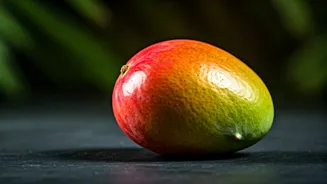
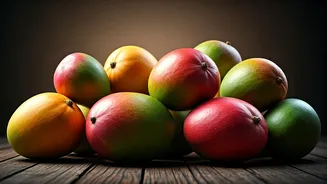
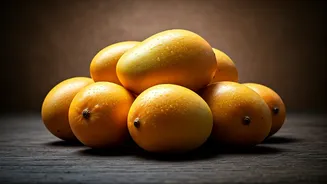
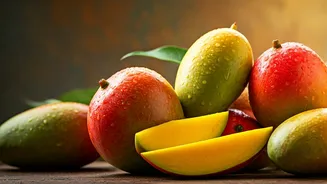
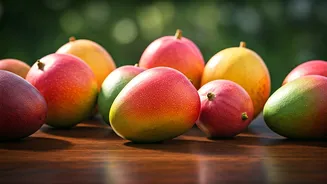
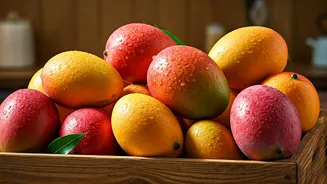
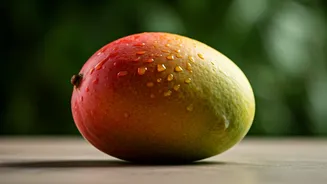
In India, the mango isn't just a fruit; it's a cultural icon, an obsession, and a sign that summer has truly arrived. While the U.S. has long enjoyed mangoes, mostly from Mexico and South America, the legendary varieties from India have remained an elusive,
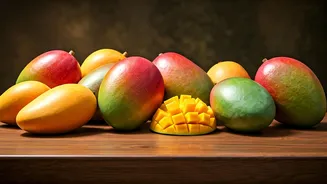
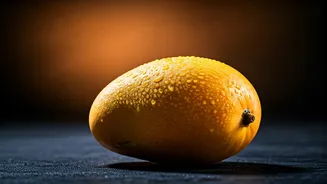
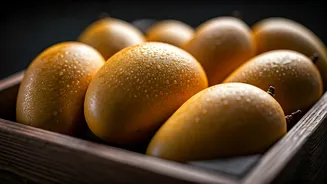
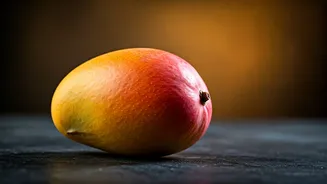
almost mythical, prize. We’re talking about the Alphonso, the so-called “king of mangoes,” from the coastal Konkan region—a creamy, non-fibrous fruit with a complex sweetness that has inspired poetry. Or the Kesar, from Gujarat, known for its intense saffron-colored pulp and intoxicating aroma. For years, getting these into the United States was nearly impossible. A combination of trade barriers, pests, and the sheer logistical difficulty of shipping a highly perishable fruit halfway around the world kept them out of reach for most Americans. They were the stuff of legend, spoken of in reverent tones by travelers and the Indian diaspora, but rarely tasted.
Overcoming the Distance
The journey from a tree in Maharashtra, India, to a grocery cart in Milwaukee, Wisconsin, is fraught with peril for a delicate fruit. To make it possible, Indian farmers and exporters had to solve a complex puzzle of science and logistics. The biggest hurdle was meeting the United States Department of Agriculture's (USDA) strict phytosanitary standards, designed to prevent foreign pests from entering the country. For years, this required a process called irradiation, where the fruit is exposed to a low dose of radiation to kill any pests without harming the fruit. After a pause during the COVID-19 pandemic, India and the U.S. renewed their agreement, re-opening the door for these exports. A key part of the deal involves a USDA inspector being physically present in India to pre-clear the shipments at special irradiation facilities before they are even loaded onto a plane. This “preclearance” program is a game-changer, streamlining the process and ensuring the mangoes that land in the U.S. can move quickly to distributors instead of getting held up at customs.
From Local Farms to Global Tables
Behind this global supply chain are thousands of small-scale farmers whose families have cultivated mangoes for generations. For them, access to the lucrative American market is more than just a business opportunity; it's a lifeline. Global demand allows them to get a premium price for their highest-quality fruit, rewarding the painstaking effort that goes into producing a world-class product. Many of these farmers are part of cooperatives that help them pool resources, access new technology, and navigate the complex world of international trade. They are implementing modern agricultural practices, from careful orchard management to precision harvesting, ensuring that only the best fruit is selected for export. This shift is not just about growing mangoes; it’s about growing a sustainable business that can support their communities for generations to come. The success of these exports directly invests back into rural Indian economies, funding everything from local schools to better infrastructure.
A Taste of Things to Come
The arrival of Alphonso and Kesar mangoes on U.S. shores is part of a larger trend. American consumers are more adventurous than ever, actively seeking authentic, high-quality international foods. The initial demand is often driven by diaspora communities longing for a taste of home, but it quickly spills over into the mainstream market as foodies and curious shoppers discover a superior product. This success story provides a blueprint for other agricultural products from India and around the world. It proves that with the right combination of government cooperation, technological investment, and farmer ingenuity, geographic distance is no longer an insurmountable barrier to trade. As supply chains become more sophisticated, American consumers can expect to see more unique, regional-specific produce appearing in their local stores, transforming the grocery aisle into a global marketplace.