





1. The Scale Is Staggering
Let’s start with the numbers, because they’re wild. The United States produces a respectable few thousand tons of mangoes a year, mostly in Florida. India? It produces around 20 million metric tons annually. That's not a typo. This single nation is responsible
for nearly 40% of the entire world's mango supply. The sheer volume is hard to comprehend. It’s more than the next ten mango-producing countries combined. Imagine sprawling orchards that stretch to the horizon in states like Uttar Pradesh, Andhra Pradesh, and Maharashtra, all dedicated to cultivating this one beloved fruit. This isn't just farming; it's a national endeavor on an industrial, cultural, and deeply personal scale.
2. There Isn't One 'Mango,' There Are 1,500
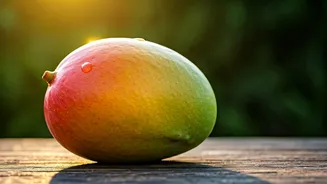
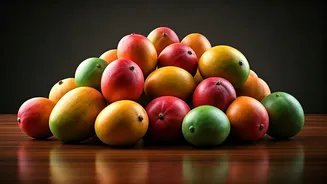
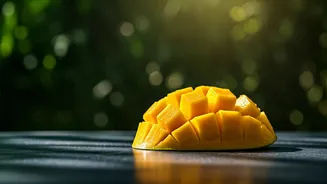
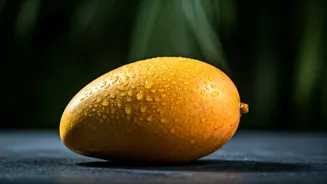
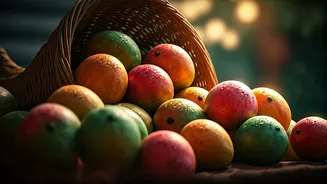
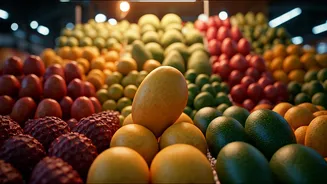
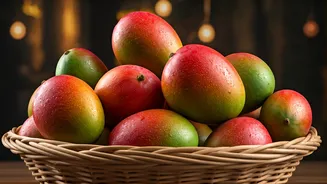
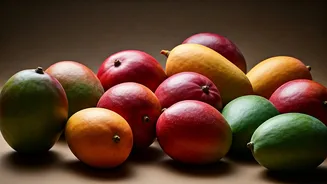
In the U.S., you might find two or three mango varieties at a well-stocked grocery store, typically the Tommy Atkins, Kent, or Ataulfo. In India, that's just the tip of the iceberg. The country is a biodiversity hotspot for mangoes, boasting an estimated 1,500 distinct varieties. Each has a name, a story, a specific season, and a devoted following. There’s the world-famous Alphonso from Maharashtra, so creamy and fragrant it’s often eaten with a spoon. There's the sweet, fiberless Dasheri from the north, the vibrant, tangy Kesar from Gujarat (named for its saffron color), and the uniquely shaped Langra from Uttar Pradesh. Asking an Indian for their favorite mango can spark a debate as passionate as one about a favorite sports team.
3. It's an Instrument of Diplomacy
In India, the mango isn’t just the 'King of Fruits'—it’s a diplomat. For decades, the Indian government has practiced what is affectionately known as 'mango diplomacy.' This involves sending boxes of the country's finest mangoes, often choice Alphonso or Kesar, to heads of state and foreign dignitaries around the world. It’s a gesture of goodwill and a powerful form of soft power. When you send a gift that’s literally the best of what your land can produce, a fruit steeped in millennia of culture, it sends a message that’s far sweeter and more memorable than a standard diplomatic cable. It's a delicious reminder of India's agricultural prowess and cultural richness.
4. A 4,000-Year-Old National Obsession
The American love affair with, say, the apple, is cute by comparison. India's connection to the mango dates back at least 4,000 years. The fruit, native to the region, is mentioned in ancient Sanskrit texts. The Buddha was said to have rested in a mango grove, and Mughal emperors like Akbar the Great were obsessive cultivators, with one reportedly planting an orchard of 100,000 mango trees. This history is woven into the fabric of daily life. The paisley pattern, a famous Indian design motif, is said to be modeled on the shape of a young mango. This isn’t a new food trend; it's an ancient, unbroken cultural pillar.
5. The Summer Is Defined by It
For hundreds of millions of Indians, the arrival of summer doesn't just mean heat; it means the arrival of mango season. It's a national, annual event. The air in markets becomes thick with the sweet scent of hundreds of varieties. Families have their specific rituals: buying mangoes by the crate, carefully ripening them in hay, and debating the merits of this year's crop. It’s a season of indulgence, where diets are forgotten and mangoes are eaten for breakfast, lunch, and dinner—freshly sliced, blended into lassis, churned into ice cream, or cooked into pickles (aam ka achaar) and chutneys that will last the year. The end of the mango season in late summer is mourned like the departure of a dear friend.