


The Tyranny of the Perfect Getaway
Somewhere along the way, we absorbed the idea that a vacation’s success is measured by its flawlessness. We scroll through impossibly blue waters and sun-drenched selfies, internalizing the belief that relaxation requires a perfectly curated environment.
The all-inclusive resort, with its sprawling buffets and pre-scheduled fun, is the pinnacle of this philosophy. It promises a world without friction, where every need is anticipated and every moment is optimized for effortless pleasure. But this pursuit of perfection can become its own kind of prison. There’s a low-grade anxiety that hums beneath the surface of these trips—the pressure to ‘get your money’s worth’ at the buffet, the unspoken competition for the best poolside lounger, the vague sense of being on a beautiful, sterile movie set rather than in a real place. The problem with packaged perfection is that it leaves no room for discovery, surprise, or the beautiful messiness of real life.
Finding Beauty on the Rainy Trail
Now, picture a different scene: the air smells of wet earth and pine. A light rain mists your face as you pull your jacket a little tighter. This isn't the vacation you see in commercials. This is the 'rainy trail.' It might sound miserable to some, but for a growing number of us, it’s where the magic happens. Embracing a less-than-perfect day outdoors isn’t about masochism; it’s about presence. When you’re navigating a muddy path or watching clouds cling to a mountainside, you are fully, completely *there*. Your senses are alive. The world isn't a backdrop; it's an active participant in your experience.
There’s a quiet victory in finishing a hike you almost didn't start because of the weather. It’s a reminder of your own resilience. These are the moments that forge real memories, not because they were easy, but because they were earned. The quiet drip of water from a fern, the flash of a startled deer, the shared satisfaction of reaching a viewpoint shrouded in fog—these aren't marketable moments, but they are profoundly enriching.
The Intimacy of a Home-Cooked Meal
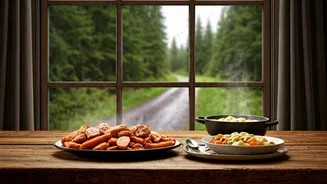
And what happens after that rainy hike? You don’t shuffle into a cavernous dining hall with hundreds of strangers. Instead, you head back to a small cabin or rental, peel off your damp socks, and start thinking about dinner. This is the 'home meal' part of the equation, and it’s just as important. The hotel buffet is an exercise in overwhelming choice and anonymous consumption. A home-cooked meal on vacation is the opposite. It’s an act of creation and connection.
Navigating a foreign grocery store, deciphering labels, and picking out fresh, local ingredients is an adventure in itself. The simple act of chopping vegetables with a travel partner, clinking glasses of a local wine, and creating a meal together—no matter how simple—builds a bond that a buffet line never can. The meal isn't just about sustenance; it’s the centerpiece of the evening, a time to talk, laugh, and process the day’s adventure. It’s intimate, personal, and utterly memorable.
Choosing Presence Over Polish
Ultimately, the argument for rainy trails and home meals is an argument for trading polish for presence. The slickly produced, all-inclusive vacation is designed to let you check out. It keeps the real world at arm’s length. But for many of us, the point of travel isn't to escape life, but to experience a different version of it more intensely.
Choosing the path of slight resistance—the hike in the drizzle, the meal you have to cook yourself—forces you to engage. It asks you to be an active participant rather than a passive consumer. It strips away the excess and leaves you with the core of what makes travel so transformative: a deeper connection to a place, to the people you’re with, and to yourself. The buffet offers temporary satisfaction, but the memory of a warm meal after a cold, wet hike lasts a lifetime.