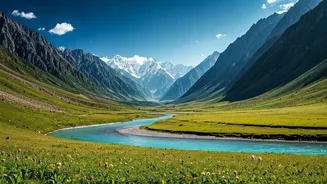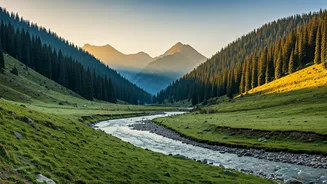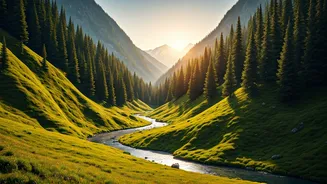



The Un-Manali Experience
For decades, the Indian state of Himachal Pradesh has been synonymous with destinations like Manali and Shimla—bustling hubs that, while beautiful, can often feel overrun. They are the loud, popular kids of the Himalayas. Tirthan Valley, nestled in the Kullu
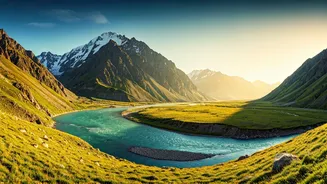
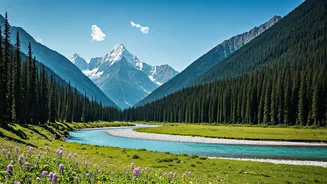
district, is their quieter, more introspective cousin. It’s where you go not to see and be seen, but to simply be. There are no sprawling malls, no chains of fast-food restaurants, and no cacophony of tour buses. Instead, the valley’s charm lies in its commitment to eco-tourism and its distinct lack of commercialization. The vibe is less about a frantic vacation checklist and more about slowing down, breathing deep, and connecting with a landscape that remains refreshingly untouched by the demands of mass tourism. This is the place for the traveler who finds adventure in serenity, not just spectacle.
Gateway to a UNESCO Treasure
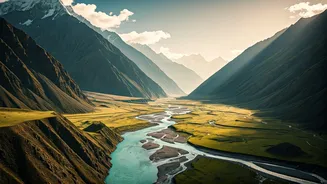
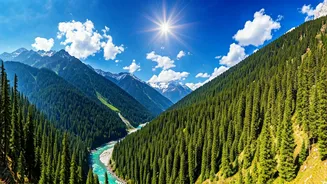
Tirthan Valley’s biggest claim to fame is its role as the gateway to the Great Himalayan National Park (GHNP), a UNESCO World Heritage Site. This protected expanse is a bastion of biodiversity, home to elusive species like the snow leopard, Himalayan tahr, and blue sheep. While you might not spot the park’s rarest inhabitants on a casual visit, its influence permeates the entire valley. The park’s pristine ecosystem feeds the Tirthan River and ensures the surrounding forests remain lush and wild. For visitors, this means access to some of northern India's most spectacular and well-preserved trekking routes. You can opt for a simple day hike to a hidden waterfall or embark on a multi-day expedition into the park's core zone with a certified guide. It’s an adventure that feels both thrilling and profoundly important, offering a glimpse into a world fiercely protected from human interference.
The Call of the River
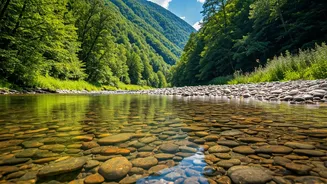
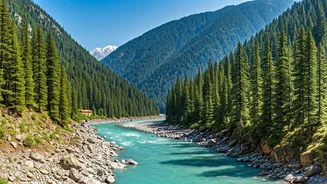
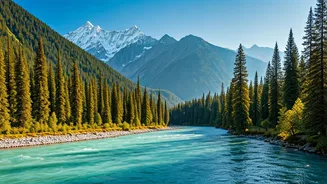
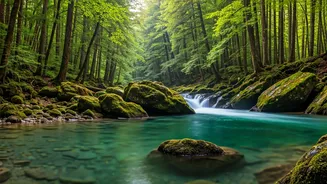
The valley is named for the Tirthan River, a crystal-clear tributary of the Beas River that flows down from the glacial heights of the GHNP. This river is the valley’s lifeblood and its main attraction. It’s famous among anglers for its healthy population of rainbow and brown trout, making it a premier destination for fly-fishing in India. You don’t need to be an expert to try; local guides are happy to provide gear and lessons. But you don’t have to cast a line to appreciate the water. The sound of the river is a constant, soothing soundtrack to any stay. Many of the area’s best homestays and guesthouses are situated right on its banks, with stone patios and wooden balconies offering front-row seats to the gentle chaos of the currents. Finding a smooth, sun-warmed boulder by the water’s edge and simply watching the day drift by is an activity in itself.
An Authentic Homestay Culture
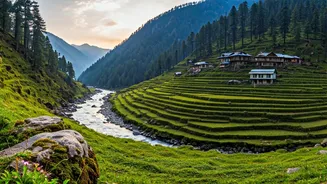
Perhaps the most defining feature of a trip to Tirthan is the opportunity to stay in a traditional homestay. Instead of anonymous hotels, the valley’s tourism is built around small, family-run guesthouses. These aren’t just places to sleep; they are an immersion into the local way of life. You’ll stay in rustic homes, often built in the traditional Kath-Kuni style using interlocking wood and stone without mortar, and eat home-cooked Himachali meals prepared with ingredients grown in the family’s own garden. Your hosts are not just proprietors but guides, storytellers, and friends who can point you toward a secret trail or share stories about the valley's history and deities. This model of tourism keeps revenue within the local community and offers travelers a far richer, more memorable experience than any luxury resort ever could.
Adventures for Every Pace
While “quiet” is its defining characteristic, Tirthan is anything but boring. The “adventure” here is customizable. For a gentle day, you can take a walk through sleepy villages like Nagini or Gushaini, crossing wooden bridges and exchanging smiles with locals. A short, rewarding hike can lead you to the stunning Jalori Pass or the serene Serolsar Lake. For those seeking a bit more adrenaline, there are opportunities for river crossing and rock climbing. The key is that the adventure feels personal and uncrowded. You won’t be waiting in line or jostling for a photo-op. Here, adventure is found in the quiet moments: the satisfaction of reaching a viewpoint with no one else around, the simple joy of a hot meal after a long walk, and the feeling of discovering a place that still feels like a secret.