


Why the New Moon Is an Astronomer's Best Friend
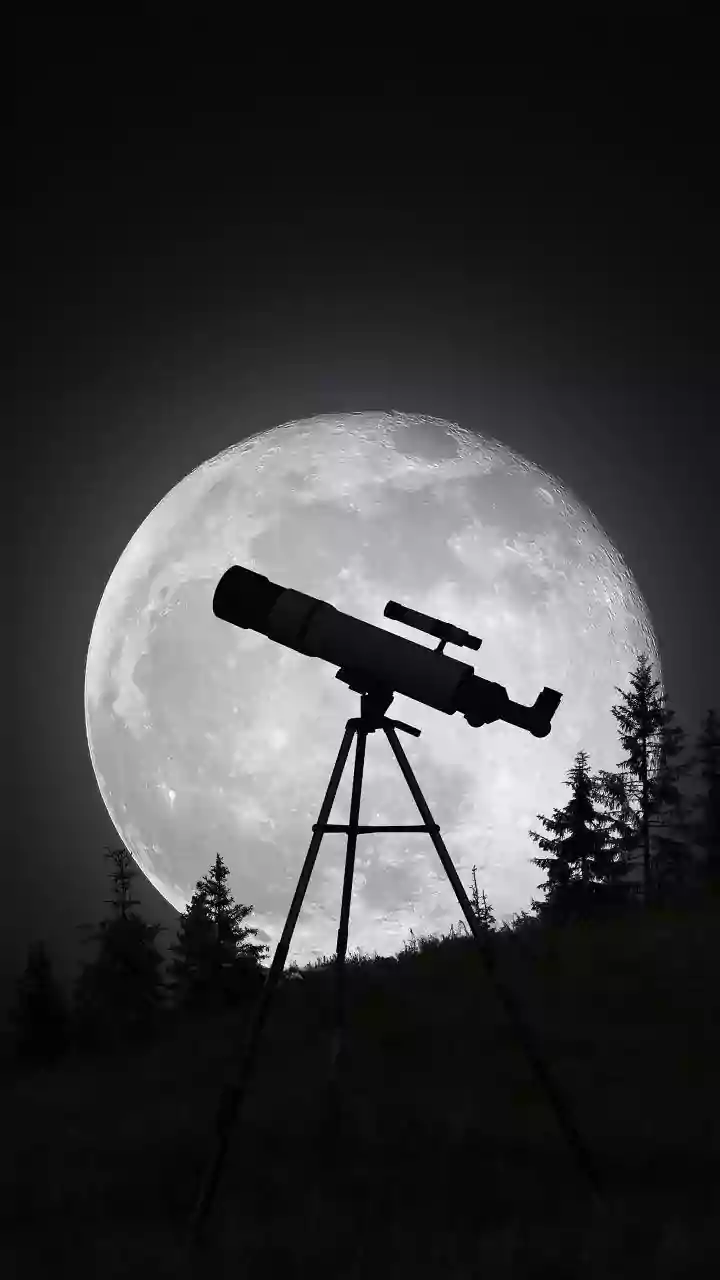
A new moon occurs when the Moon passes between the Sun and Earth. From our perspective, the side of the Moon facing us is not illuminated by sunlight, making it virtually invisible in the night sky. This celestial alignment is a gift to anyone with a telescope,
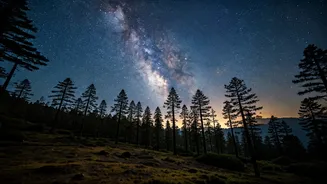
binoculars, or even just a good pair of eyes. The Moon is the brightest object in the night sky, and its glow can wash out fainter, more distant objects. When it’s out of the picture, it’s like turning off a massive spotlight in a theater. Suddenly, the dimmer, more subtle stars of the show—nebulae, star clusters, and entire galaxies—become visible. This period of darkness, typically lasting a few nights around the new moon date, is often called 'dark sky time' by amateur astronomers and is the most coveted window for serious observation.
A Summer Deep Sky Hit List
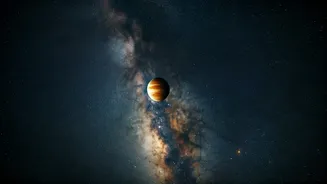
With the moon taking a night off, what should you point your telescope at? Summer skies in the Northern Hemisphere are rich with treasures. The Milky Way itself will be a breathtaking, cloudy band stretching overhead if you're in a dark enough location. Within it, look for these deep sky objects (DSOs): * **The Hercules Globular Cluster (M13):** Often called the Great Globular Cluster, M13 is a tightly packed sphere of hundreds of thousands of ancient stars. Through a small telescope, it looks like a fuzzy snowball or a sprinkle of cosmic sugar. It's one of the most impressive sights of its kind. * **The Lagoon Nebula (M8):** Located in the constellation Sagittarius, this is a vast stellar nursery where new stars are being born. Even with binoculars, you can spot it as a faint, ghostly cloud. A telescope will begin to reveal its intricate structure and the young star cluster embedded within it. * **The Andromeda Galaxy (M31):** While it's best viewed in the fall, our massive galactic neighbor starts rising late in summer nights. At 2.5 million light-years away, it’s the most distant object you can see with the naked eye under truly dark skies. It will appear as a faint, elongated smudge. Telescopes reveal its bright core and vast, hazy spiral arms.
Gearing Up for the Darkness
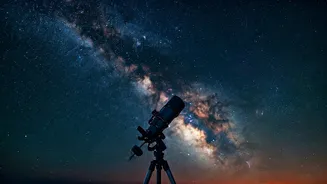
You don’t need a multi-thousand-dollar setup to enjoy the show. Your journey into deep space can start with simple tools. * **Naked Eye:** Your eyes are a powerful tool. Just find a dark spot, lie back, and let your eyes adjust for at least 20 minutes. You’ll be stunned by how many more stars appear, and you’ll easily trace the arc of the Milky Way. * **Binoculars:** A standard pair of 7x50 or 10x50 binoculars are fantastic for sweeping the Milky Way. They can reveal dozens of star clusters, show the fuzzy glow of the Andromeda Galaxy, and provide context for larger nebulae. They are arguably the best entry-level tool for stargazing. * **Telescopes:** If you have a telescope, the new moon is when it truly shines. Even a small 4-inch to 6-inch reflector or refractor telescope will pull in enough light to resolve individual stars in clusters like M13 and show the distinct shapes of nebulae. The key isn't necessarily massive magnification but light-gathering power.
Location, Location, Light Pollution
Your observing equipment is only as good as your location. City and suburban lights create a dome of 'sky glow' that obliterates faint objects. To truly take advantage of the new moon, you need to get away from it. Use a light pollution map (like darksitefinder.com) to find a 'dark sky site' near you. These are often state or national parks, rural areas, or designated astronomy parks. Even driving 30-45 minutes out of a major metropolitan area can make a dramatic difference. Once you're there, preserve your night vision. Use a red-light flashlight instead of a white one, as red light doesn't ruin your eyes' dark adaptation. Turn off your phone screen or set it to its dimmest red-light mode.