





Why Embrace the Rain?
For decades, the classic American vacation was defined by escaping bad weather, not embracing it. We sought sun-drenched beaches, dry desert heat, and cloudless skies. But a cultural shift is underway. In a world of constant noise and digital overstimulation,
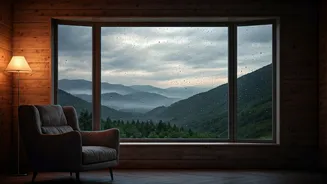
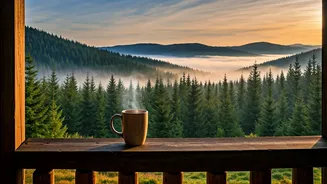
the quiet, introspective atmosphere of a rainy forest is becoming the ultimate luxury. This trend, sometimes called ‘pluviophile travel,’ taps into a desire for coziness (think the Danish concept of ‘hygge’), mindful connection with nature, and a break from the pressures of a ‘perfect’ sunny holiday. Instead of feeling obligated to go-go-go, a rainy day gives you permission to slow down. It’s about listening to the patter of raindrops on a cabin roof, watching mist weave through ancient trees, and feeling a sense of peace that a bustling resort simply can’t offer. Social media aesthetics have also played a role, with moody, atmospheric photos of foggy woods and steamy mugs of coffee romanticizing the experience for a new generation.
The Pacific Northwest: The Gold Standard
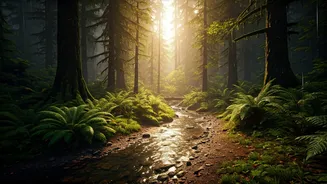
When you picture a rainy forest, you’re likely picturing the Pacific Northwest. Washington, Oregon, and Northern California are the heartland of this travel style. The Olympic Peninsula in Washington is a prime destination, home to the Hoh Rainforest, one of the few temperate rainforests in North America. Here, you can rent a rustic cabin or stay in a historic lodge and spend your days on misty hikes among moss-draped maples and towering Sitka spruce. The Oregon Coast offers a dramatic alternative, where storm-watching from a cozy, cliffside rental is a celebrated pastime. Towns like Cannon Beach and Yachats are perfectly equipped for the rainy-day tourist, with charming bookstores, local breweries, and galleries to explore between downpours.
The Appalachians: Smoky Mountain Serenity
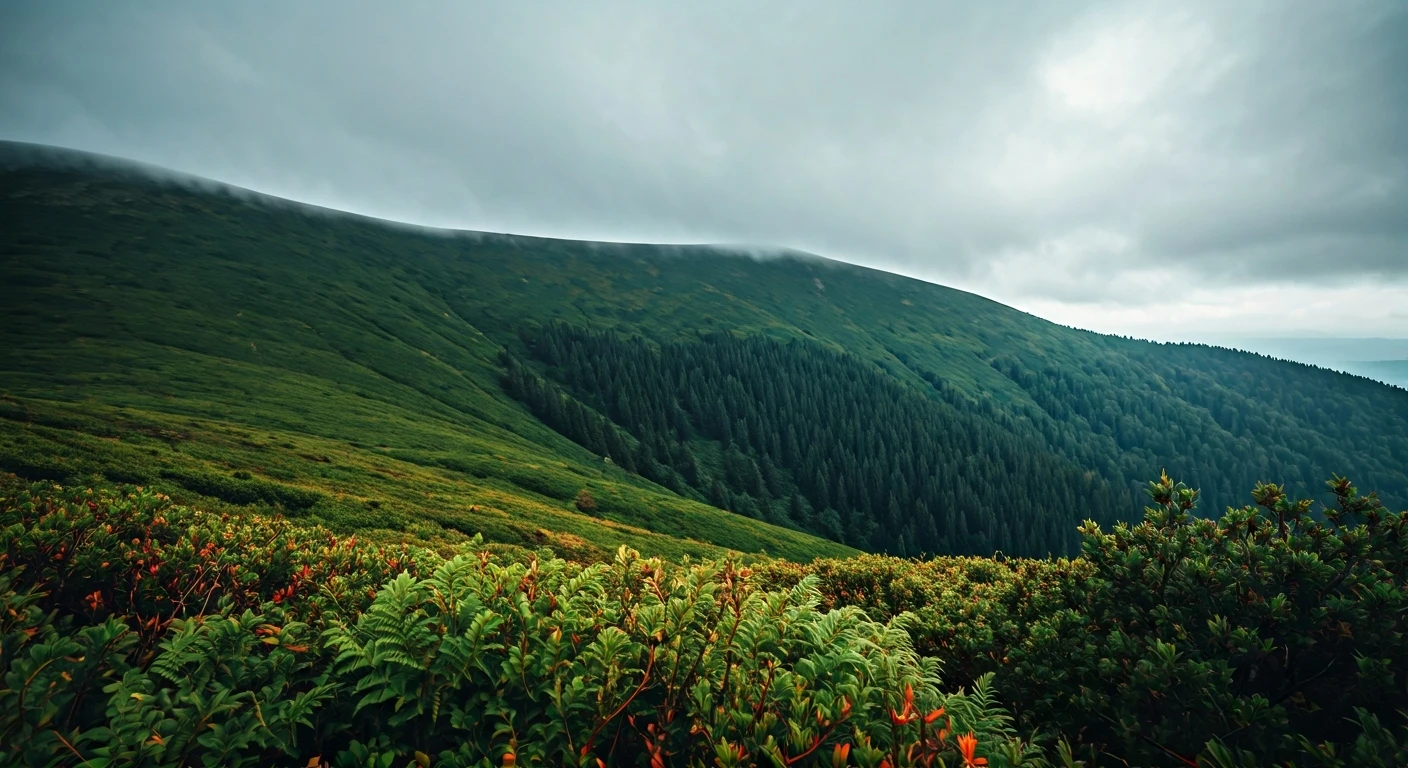
While the PNW gets the most attention, the ancient, rolling mountains of the Appalachians offer their own unique brand of rainy retreat. The Great Smoky Mountains National Park, straddling the border of North Carolina and Tennessee, is famous for the fog that often settles in its valleys, creating an ethereal, layered landscape. The region’s deep forests, crisscrossed by streams and waterfalls, are especially magical during and after a rain shower. A cabin rental near Gatlinburg, Tennessee, or Asheville, North Carolina, provides the perfect home base. Here, the experience is less about dramatic coastal storms and more about a gentle, immersive woodland soak. It’s the ideal setting for forest bathing—the Japanese practice of ‘shinrin-yoku’—where the goal is simply to walk slowly and absorb the calming forest atmosphere.
The Northeast: A Touch of New England Charm
Don't overlook New England for a moody, wooded escape. The forests of Vermont, New Hampshire, and western Massachusetts take on a quiet, contemplative character in the rain. While best known for brilliant fall foliage, these areas provide a deep sense of seclusion and history year-round. Imagine a small A-frame cabin tucked into the Green Mountains of Vermont, a fire crackling in the hearth as a gentle rain falls outside. Activities lean into the cozy: reading a book from a local shop, sipping hot cider, and taking short, invigorating walks on well-trodden paths that smell of damp earth and pine. It’s a nostalgic, storybook version of the rainy retreat, grounded in a classic American landscape.
Alaska: The Last Frontier of Fog
For the truly adventurous, the temperate rainforests of Southeast Alaska offer an unparalleled experience. This is the rainy forest retreat on an epic scale. The Tongass National Forest is the largest national forest in the United States, a sprawling wilderness of islands, fjords, and glaciers. Here, rain is not just a possibility; it’s a fundamental part of the ecosystem. A stay in a remote lodge or a cabin near a coastal town like Ketchikan (which receives over 150 inches of rain a year) puts you in the center of a vibrant, wild world. You can watch eagles fish in the misty rain, see salmon running up streams, and kayak in silent, fog-shrouded coves. It’s a powerful reminder that wet weather isn’t something to be endured, but a life-giving force that creates landscapes of breathtaking beauty.