



The Supermarket Mango Problem
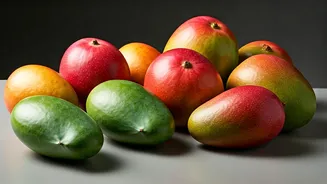
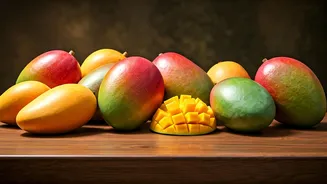
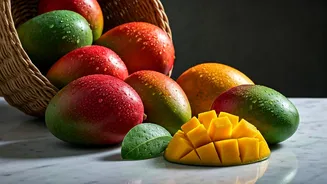
Let’s be honest: the standard American supermarket mango can be a gamble. The variety you’re most likely seeing is the Tommy Atkins. It’s big, it’s blush-red, and it looks exactly like the mango emoji. It was cultivated in Florida in the 1940s not for
its transcendent flavor, but for its durability. It has thick skin, resists bruising, and can withstand being shipped thousands of miles. In short, it’s the perfect commercial fruit—beautiful, sturdy, and often a fibrous, disappointing shadow of what a mango can truly be. For decades, this was the mango most Americans knew. It’s a reliable product for a complex global supply chain, but it rarely delivers the rapturous, honeyed, floral experience that has made the mango the “king of fruits” in other parts of the world. That shared, quiet disappointment is the fertile ground from which the current mango revolution is sprouting.
Enter the Social Media Glow-Up
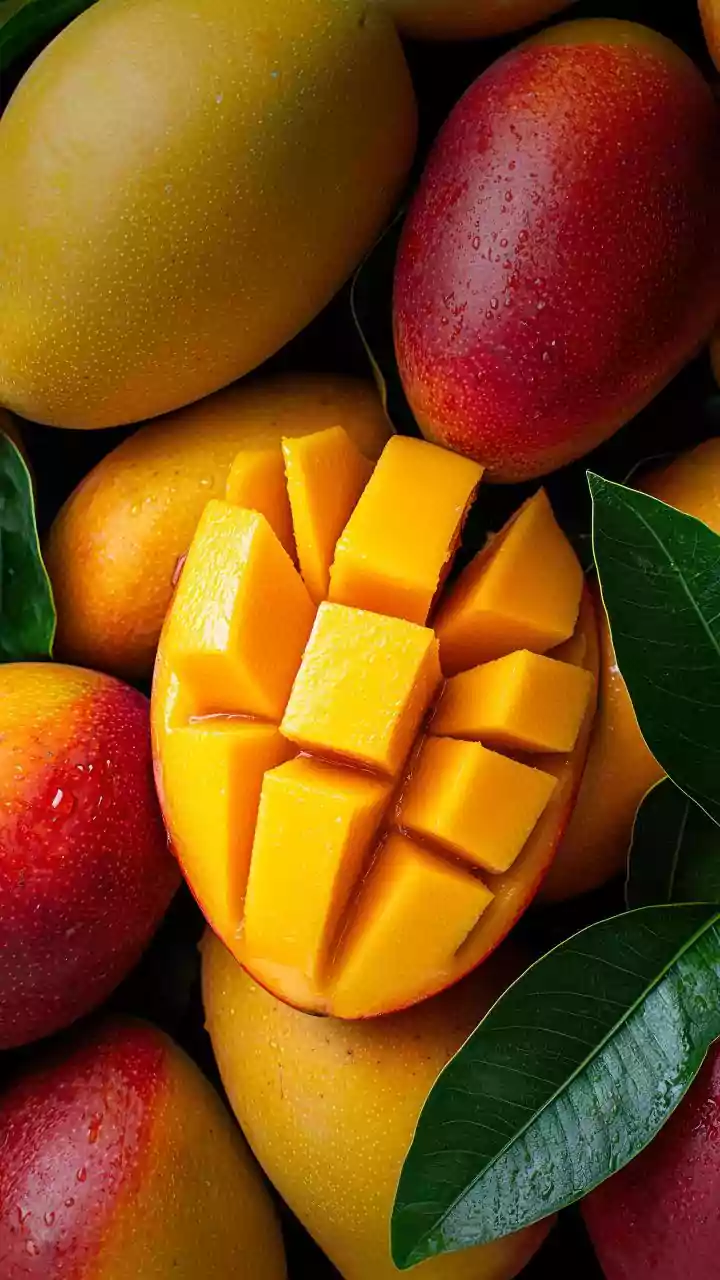
So what changed? Social media, of course. Food-obsessed creators on TikTok and Instagram began showcasing a different kind of mango experience. Videos of people effortlessly peeling the buttery-soft skin off a golden Ataulfo mango or slicing into a creamy, fiberless Pakistani honey mango have racked up millions of views. The captions are almost always ecstatic: “This is what a REAL mango tastes like!” This viral wave isn’t just about pretty fruit. It taps into a broader desire for authenticity and discovery in food. Shoppers, particularly younger ones, are increasingly willing to visit specialty markets—Latin, South Asian, or East Asian grocers—in search of the vibrant flavors their algorithms are showing them. The excitement is palpable; stores report selling out of seasonal shipments in hours, and a box of prized Alphonso or Kesar mangoes from India becomes a status symbol, an event worth sharing online.
The Stars of the Summer
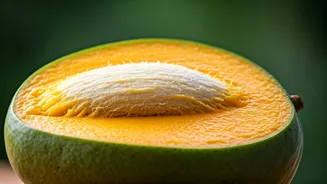
While there are hundreds of mango varieties, a few key players are leading the charge in the U.S. The most accessible star is the Ataulfo, often marketed as the Honey Mango. This small, kidney-bean-shaped, golden-yellow fruit from Mexico is the perfect entry point. It has a velvety, fiber-free texture and a sweet, tangy, and deeply aromatic flavor. It’s what a mango should be. For those ready to level up, there are the seasonal heavyweights from South Asia, typically available for a precious few weeks in early summer. Pakistani varieties like the Sindhri and Chaunsa are celebrated for their intense sweetness and smooth, custardy flesh. Indian mangoes like the Alphonso (the unofficial king) and Kesar are legendary, boasting complex flavors that can have notes of citrus, peach, and honey. They are more expensive and harder to find, but for connoisseurs, they are the pinnacle of the mango experience.
How to Find and Pick the Perfect One
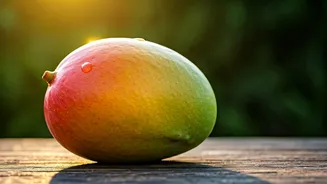
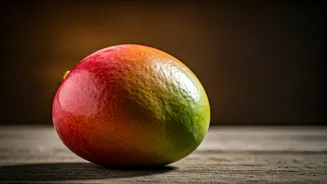
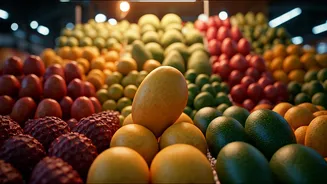
You probably won’t find a perfect Sindhri mango at a major national supermarket chain. Your best bet is to explore local international grocery stores. These shops often import mangoes directly during their peak season and sell them by the case. Don’t be afraid to ask the staff for their recommendation; they’re usually passionate experts. When picking a mango, ignore the color. A red blush doesn’t mean ripeness, especially with a Tommy Atkins. Instead, use your other senses. A ripe mango will have a strong, sweet, fruity fragrance at the stem end. It should also give slightly to gentle pressure, like a ripe avocado or peach. If it’s rock hard, it was picked too early. If it’s mushy, it’s overripe. A perfectly ripe mango feels heavy for its size and smells like a tropical vacation.