



The Rise of the 'Easy' Button
It’s impossible to ignore the seismic shift brought on by GLP-1 agonists like Ozempic, Wegovy, and Mounjaro. Initially developed for diabetes management, these injectable drugs became cultural phenomena, promising significant weight loss with relatively
little effort compared to traditional methods. Suddenly, headlines and social media feeds were filled with stories of dramatic transformations. The allure was undeniable: a medical solution that could quiet “food noise” and melt away pounds without the daily grind of calorie-counting and punishing workouts. For many, it felt like science had finally delivered on a long-held dream, offering a shortcut past the discipline and frustration that often accompany weight loss journeys.
A Complicated Picture Emerges
But as the initial euphoria settled, a more complex and cautionary narrative began to take shape. Doctors and dietitians started raising flags about a significant, often overlooked side effect: the loss of lean muscle mass along with fat. Losing weight is one thing; losing strength, metabolic function, and bone density is another, far more concerning outcome. Stories of “Ozempic face”—a gaunt look resulting from rapid fat loss in the face—became cautionary tales. Furthermore, the drugs are expensive, often not covered by insurance for weight loss, and their benefits typically vanish once a person stops taking them, leading to rapid weight regain. The shortcut, it turned out, might just be a temporary detour that doesn't teach you how to navigate the main road.
The Renaissance of Foundational Health
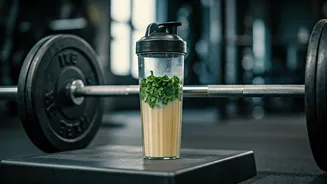
This is where the old-school, shortcut-free approach is finding its new respect. In response to the pitfalls of passive weight loss, a growing chorus of health experts is championing the non-negotiable importance of foundational health pillars. The conversation is shifting from *losing weight* to *building health*. The new heroes of this story aren't pharmaceuticals, but principles: resistance training to build and maintain precious muscle; prioritizing protein to support satiety and muscle synthesis; optimizing sleep to regulate hormones; and managing stress, a known driver of weight gain. This isn't a rejection of medicine, but a re-centering of patient agency and the power of sustainable habits. It’s the recognition that a healthy body is built, not just shrunk.
Redefining Success: Strong Over Skinny
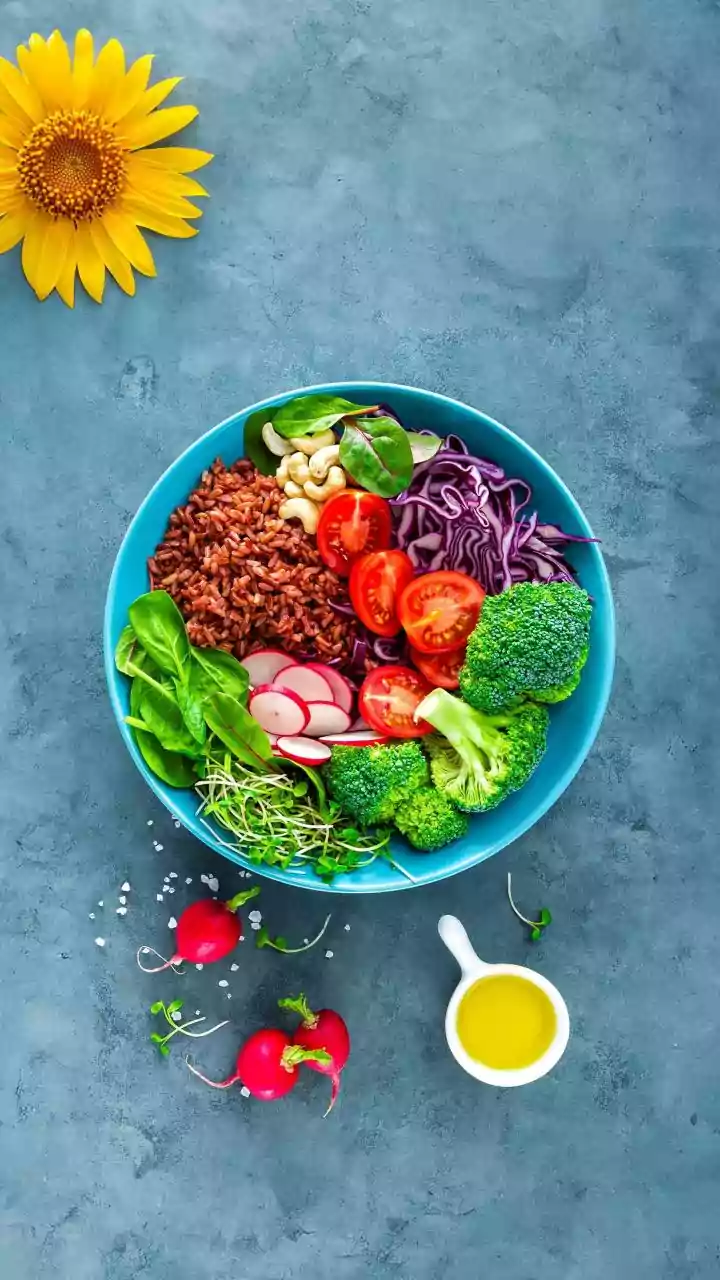
The renewed respect for the “hard way” is ultimately about redefining success. The goal is shifting from a simple number on the scale to a more holistic vision of well-being. People are increasingly interested in their metabolic health, their strength, their energy levels, and their ability to move through the world with vitality for decades to come. The shortcut-free path isn't just about aesthetics; it's about longevity. Building muscle through consistent effort creates a more robust metabolic engine that serves you for life. Learning to nourish your body with whole foods provides skills that last. In a world chasing quick fixes, the deliberate, patient act of building a strong, resilient body has become a quiet rebellion—and a powerful statement about what truly matters.