



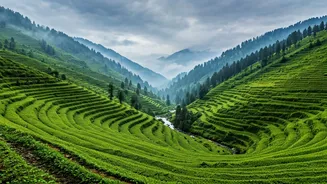
A Land Beyond the Clouds
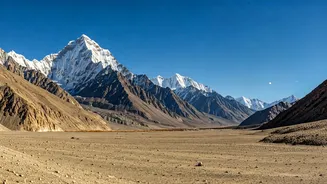
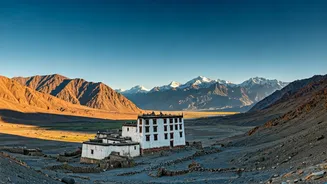
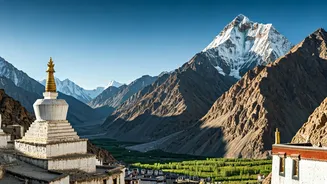
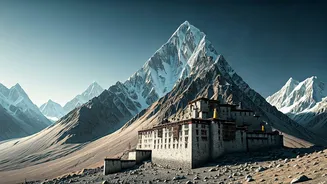
Before you can understand the Hemis festival, you must first understand its stage. Ladakh, a high-altitude desert nestled in the northernmost reaches of India, feels like a landscape from another planet. Jagged, snow-dusted peaks claw at the sky, while
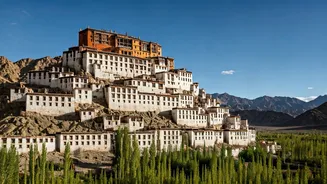
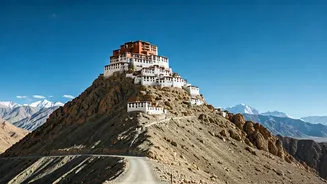
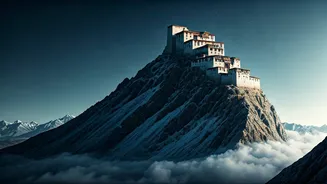
barren moonscapes are broken by sudden, vibrant splashes of green where glacial meltwater nourishes life. It’s a place of stark beauty and profound silence, where ancient Buddhist monasteries, or 'gompas,' cling to cliffsides as if fused to the very rock. This geography isn't just a backdrop; it’s an active participant. The isolation and raw power of the environment strip away the noise of modern life, preparing visitors for an experience that feels both ancient and deeply immediate. Getting here is a journey in itself, often involving acclimatizing to altitudes well over 11,000 feet, but the reward is entry into a world that time seems to have forgotten.
The Sacred Courtyard of Hemis
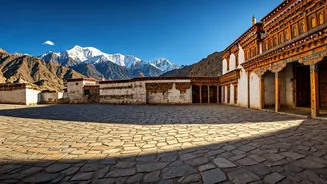
At the heart of this experience is the Hemis Gompa, the wealthiest and largest monastery in Ladakh. Tucked away in a gorge, hidden from the main valley, it has been a center of spiritual learning for centuries. For most of the year, it’s a place of quiet contemplation for its resident monks. But for two days each summer, during the fifth lunar month of the Tibetan calendar, its main courtyard erupts in a riot of sound and color. The Hemis festival celebrates the birth of Guru Padmasambhava, also known as Guru Rinpoche, the 8th-century master credited with bringing Tantric Buddhism to Tibet and the Himalayan region. For followers, he is revered as a second Buddha. The festival is a living tribute, a vibrant act of devotion that draws pilgrims and monks from across Ladakh, all gathering to witness and participate in a ritual that reaffirms their faith and cultural identity.
Masks, Myths, and Movement
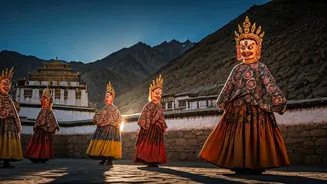
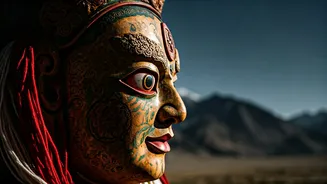
The centerpiece of the festival is the 'chaam,' a series of sacred masked dances performed by the monks themselves. This is no ordinary performance. As the deep, resonant drone of long Tibetan horns (dungchen) echoes off the monastery walls, punctuated by the clash of cymbals and the rhythmic beat of drums, figures in elaborate, brilliantly colored silk costumes and enormous, expressive masks emerge into the courtyard. Each mask represents a specific deity, demon, or protector from the Buddhist pantheon. The dances are slow, hypnotic, and deliberate, each step and gesture steeped in symbolic meaning. They depict the epic struggle between good and evil, the subjugation of malevolent spirits, and the ultimate triumph of dharma, or cosmic law. Watching the Black Hat dancers stomp gracefully to purify the ground or seeing the fearsome expressions on masks designed to ward off evil is to witness mythology brought to life. It feels less like a show and more like a powerful, moving prayer.
A Vibrant Act of Faith
While the masked dances are a visual feast for travelers, for the Ladakhi people, the festival is a profound spiritual event. Families dressed in their finest traditional attire—women in ornate turquoise headdresses called 'peraks' and men in flowing 'gonchas'—fill every available space, their faces a mix of reverence and communal joy. It’s a social gathering, a spiritual pilgrimage, and a cultural touchstone all in one. The air is thick with the murmur of prayers and the smell of butter lamps. Monks chant ancient texts, and the atmosphere is one of collective devotion. In a world of rapid change, the Hemis festival is an anchor, a powerful reminder of the endurance of faith and tradition. Witnessing this shared experience is perhaps the most 'otherworldly' part of it all—a glimpse into a community bound together by beliefs that have been passed down for over a thousand years, against one of the most dramatic backdrops on Earth.