


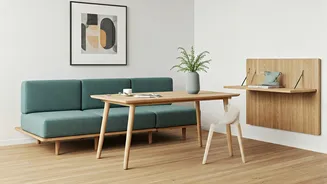


1. Go Beyond 'Multi-Functional'
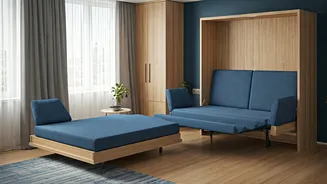
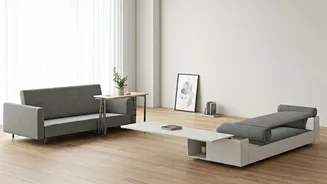
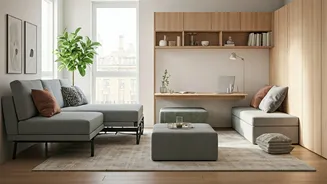
The era of the simple sofa bed is over. True design intelligence demands that key pieces serve multiple, seamless functions. Think of a coffee table that rises and expands to become a dining table for six, or an ottoman that contains not just storage,
but nesting stools for extra seating. The goal isn't just to have an item that does two things; it's to have furniture that transforms your space based on the need of the moment. An office can become a living room, which can become a dining room, all without adding a single extra piece of furniture. This approach, often called 'transformational design,' is about fluidity. It requires investing in well-engineered pieces that don’t feel like a compromise in any of their forms.
2. Master the Art of Zoning Without Walls
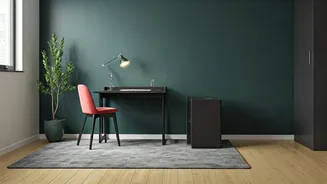
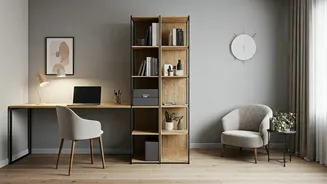
In a studio or one-bedroom apartment, creating distinct 'zones' is crucial for psychological comfort. You don’t want to feel like you’re eating in your bedroom and working in your kitchen. But building walls isn't an option. Instead, use visual cues to delineate space. A large, well-placed rug can instantly define a living area. A tall, open-backed bookshelf can create a semi-private office nook without blocking light. Even a change in paint color or the strategic placement of a floor lamp can signal a transition from one 'room' to another. The key is to create functional separation that maintains the open, airy feeling of the overall space.
3. Think Vertically, Not Just Horizontally
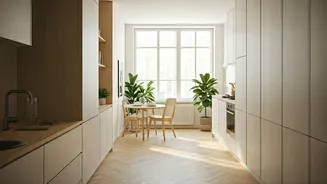
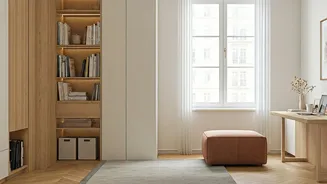
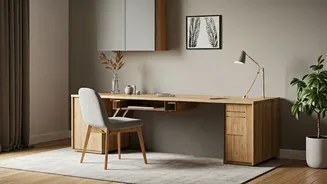
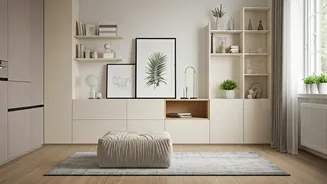
When your floor space is limited, the only place to go is up. Most people underutilize their vertical space, but it’s a goldmine of opportunity. This goes beyond simple shelves. Consider floor-to-ceiling custom cabinetry that provides massive amounts of storage while creating a clean, architectural look. Use wall-mounted desks, nightstands, and media consoles to free up the floor, which makes the room feel larger and less cluttered. In the kitchen, magnetic knife strips and hanging pot racks clear counter space. This mindset shift—from square footage to cubic footage—is one of the most powerful tools in a small-space arsenal.
4. Treat Lighting as a Sculptural Tool
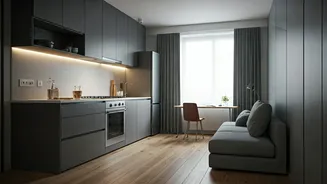
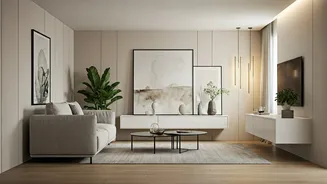
A single, harsh overhead light is the enemy of good design, especially in a small apartment. A smart lighting plan uses multiple sources to create depth, mood, and function. This is called 'layering' light. Start with ambient light from recessed fixtures or a stylish flush-mount. Add task lighting where you need it: under-cabinet lights in the kitchen, a focused reading lamp by a chair, a desk lamp in your work zone. Finally, add accent lighting—like a small spotlight on a piece of art or an uplight behind a plant—to create visual interest. This layered approach not only makes the space more functional but also draws the eye around the room, making it feel more expansive and thoughtfully designed.
5. Edit Ruthlessly, Curate Thoughtfully
Living in a small space forces you to become a curator of your own life. Every object must earn its place. This doesn’t mean living in a sterile, minimalist box. It means being intentional. Instead of ten miscellaneous souvenirs, choose the two that tell the best story. Instead of a pile of magazines, keep one beautiful coffee table book. The principle is simple: if it isn't beautiful or useful, it doesn't belong. This extends to storage. The best small-space design incorporates 'invisible' storage—sleek cabinets with push-to-open doors, integrated closets that blend into the wall—to hide the necessary clutter of life, allowing the few, carefully chosen decorative items to truly shine.