
The New Shelf Appeal
Not long ago, the grocery aisle was a battle of big logos and familiar mascots. Today, especially for Millennial and Gen Z shoppers, the most coveted items on the shelf—or in the online cart—are the ones that come with a compelling narrative. This isn't
just about a brand having a good "About Us" page. It's about the entire product being a vessel for a story. The story might be about a third-generation farmer who uses regenerative practices, a founder who perfected a family recipe in their tiny apartment, or a company committed to ethical sourcing and transparent supply chains. The product itself becomes proof of a belief system, a token of a world you want to support. For this consumer, a $30 jar of chili crisp isn't an extravagance; it's an investment in a founder's journey and a specific culinary tradition.
A Hunger for Authenticity
So, why the sudden shift from mass-market convenience to small-batch storytelling? The answer lies in a deep-seated craving for authenticity. Growing up in an era of digital saturation and faceless corporations, younger generations are naturally skeptical of traditional advertising. They don't want to be sold to; they want to connect. The story behind a food product offers that connection. Knowing your olive oil was harvested from a specific grove in California (like Brightland) or that your tinned fish supports sustainable fishing communities (like Fishwife) transforms the act of eating from a simple necessity into a meaningful experience. It’s a quiet rebellion against the anonymous, hyper-processed foods that dominated the 20th century. In a world of artifice, a traceable, story-rich product feels real.
Designed for the Digital Age
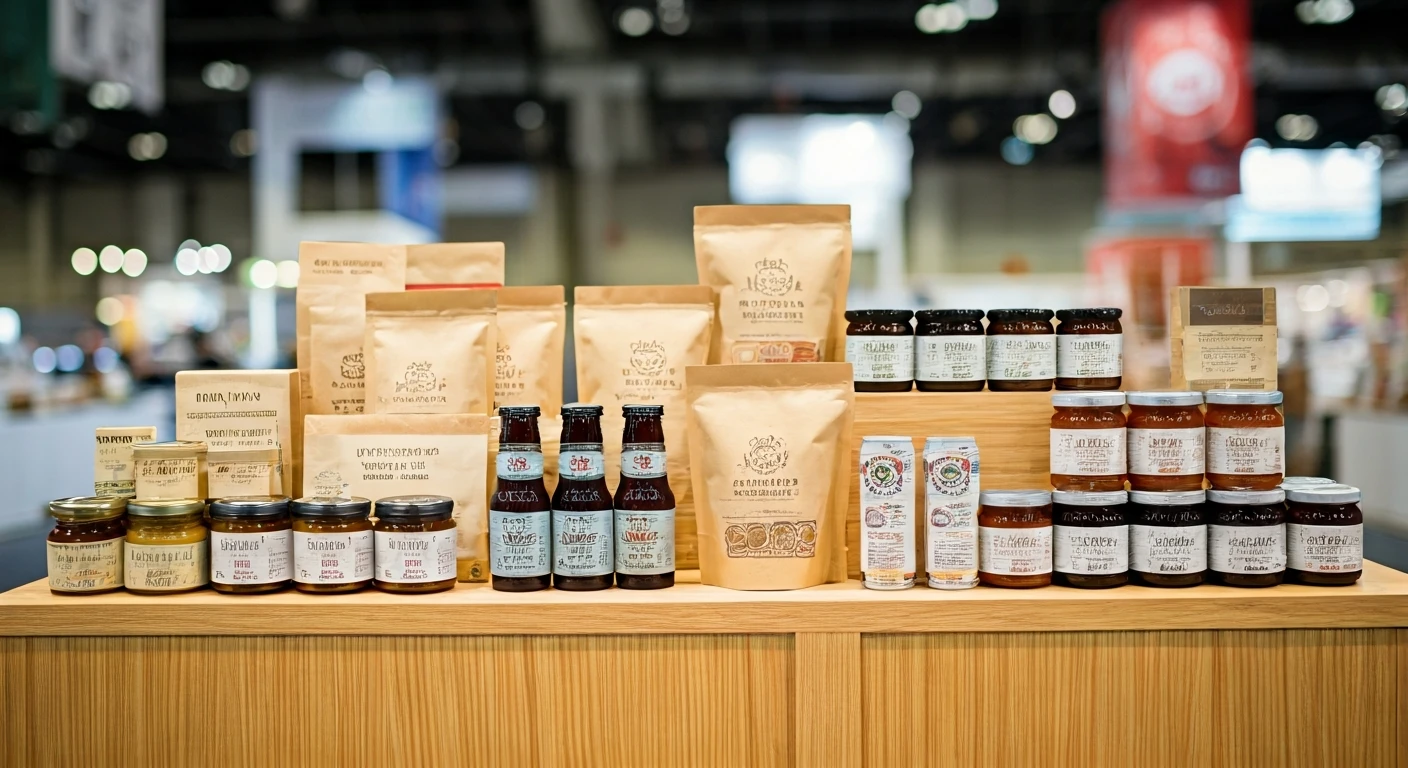
Of course, this trend is inseparable from social media. Brands that excel at storytelling also happen to be masters of aesthetics. Their packaging is beautiful, their Instagram feeds are curated, and their founders are often accessible, relatable figures who share behind-the-scenes content. Think of Graza’s squeezy olive oil bottle, designed for playful drizzles and photogenic moments, or Fly By Jing’s vibrant jars that pop on a kitchen counter. These products are made to be seen, shared, and discussed. The story is communicated not just through words but through a visual identity that says, “I have good taste, and I care about where my stuff comes from.” The unboxing experience becomes part of the meal, and a well-stocked pantry becomes a form of self-expression, a gallery of your values.
Storytelling or 'Story-Washing'?
Naturally, with any trend comes skepticism. Critics argue that this focus on narrative is just a more sophisticated form of marketing, allowing direct-to-consumer brands to slap a premium price on everyday items. The term “story-washing” has emerged to describe brands that use a veneer of authenticity to mask standard business practices. Is that single-origin coffee really benefiting the farmer, or is it just a buzzword? Is the founder's 'struggle' a genuine tale or a carefully crafted marketing angle? The line can be blurry. But for many consumers, the willingness of these new brands to even engage in conversations about sourcing, ethics, and process is a significant step up from the opaque silence of legacy food giants. The savviest shoppers are learning to spot the difference between a real story and a hollow one.