






The Taste of a Memory
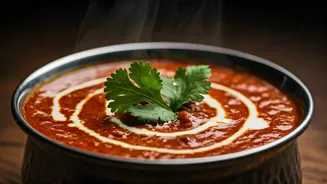
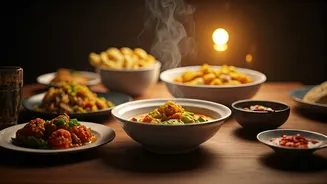
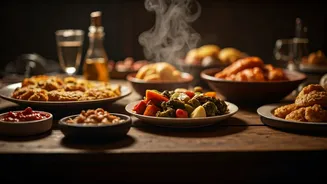
So, what exactly is a “nostalgia plate”? Think less about generic comfort food and more about culinary archaeology. This isn’t just butter chicken; it’s a specific, long-lost recipe for a Keralan fish curry that a chef’s grandmother used to make, or a forgotten
lentil dish from a small community in Uttar Pradesh. The trend is about unearthing, preserving, and elevating hyper-regional and family-specific dishes that were once at risk of being lost. It’s a move away from the handful of Indian dishes known internationally and a deep dive into the subcontinent's staggering culinary diversity. These plates are deeply personal, telling stories of migration, community, and family history. Eating them is less about simple satisfaction and more about participating in a living piece of cultural heritage.
From Michelin Stars to Mom’s Kitchen
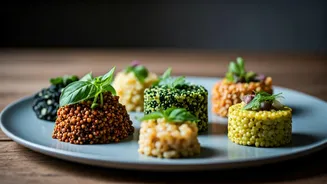
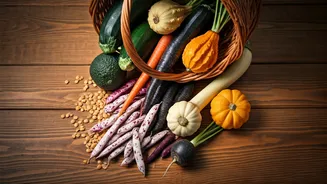
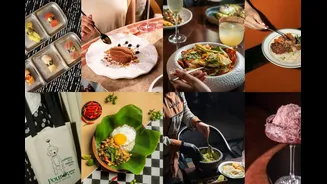
The movement is being championed by some of India's most innovative chefs, many of whom were trained in the temples of European fine dining. After mastering French techniques and chasing global accolades, they are turning their focus inward. Instead of importing luxury ingredients, they are foraging for local greens, sourcing heirloom grains, and visiting remote villages to learn from home cooks. Restaurants like The Bombay Canteen in Mumbai became pioneers by building a modern menu entirely around celebrating India’s unsung regional specialties. Chefs are acting as culinary historians, documenting recipes passed down orally for generations. This shift marks a profound change in what is considered “gourmet” in India. The new pinnacle of culinary achievement isn’t a perfectly executed soufflé, but a flawlessly recreated forgotten family recipe that tastes authentically of a specific time and place.
A Recipe for a Cultural Shift
This craving for the past isn’t happening in a vacuum. Several cultural currents are feeding the trend. Firstly, there's a growing sense of national pride and confidence. A younger generation of Indians is less interested in seeking validation from the West and more excited about exploring and celebrating their own rich, diverse heritage. The pandemic also played a role, accelerating a global desire for comfort and connection, which often translates to the food we grew up with. Social media is another driver. While it can fuel fleeting trends, it's also a powerful tool for storytelling. A photo of a rustic, soulful dish paired with the story of its origin—“My great-aunt’s secret recipe for goat curry”—has a powerful, authentic appeal that a sterile photo of avocado toast lacks. It connects with a desire for authenticity in an increasingly globalized world.
More Than Just a Big-City Trend
While the movement gained prominence in the high-end restaurants of Delhi and Mumbai, its roots and impact are far wider. It’s visible in the revival of heritage establishments, like the iconic Parsi cafés, and in the sudden popularity of restaurants specializing in previously overlooked regional cuisines, from the subtle vegetarian fare of Odisha to the hearty meat dishes of Bihar. This culinary renaissance is also happening in home kitchens. Spurred by lockdowns and a renewed interest in cooking, people began documenting and sharing their own family recipes online, creating a vast digital archive of India's home-cooked meals. This grassroots movement ensures that the focus on heritage isn’t just a top-down trend dictated by elite chefs, but a widespread cultural rediscovery happening across the country.