




The Other Mango
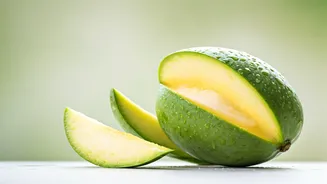
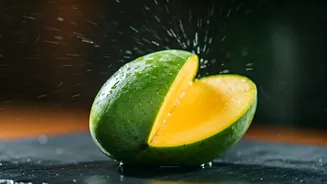
When you picture a mango, you’re likely thinking of the ripe, sunset-hued fruit—soft, drippingly sweet, and intensely tropical. A raw mango is its polar opposite. Harvested before it has a chance to ripen and develop its sugars, a raw (or green) mango is firm,
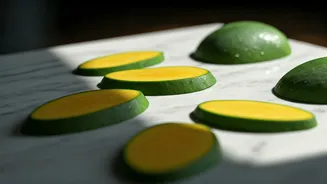
crisp, and unapologetically tart. Its texture is closer to a jicama or a crisp apple, and its flavor profile is a bracing wave of acidity with subtle vegetal notes and a hint of the tropics to come. It’s not a fruit you’d peel and eat for dessert; instead, it’s a powerhouse culinary ingredient, used more like a vegetable or a citrus fruit to add brightness and texture to savory dishes.
A Global Staple Finds a New Stage
While raw mango might feel like a novel discovery on American menus, it’s a cornerstone ingredient in cuisines across the globe. In Southeast Asia, it’s the star of iconic dishes like Thailand’s *som tam mamuang* (green mango salad) and is shredded into Vietnamese rice paper rolls. In India, it's the base for countless pickles (*achaar*), tangy chutneys, and refreshing summer drinks called *aam panna*. Throughout Latin America and the Caribbean, slices of green mango are a popular street food, sprinkled with salt, lime juice, and chili powder. This recent surge in American kitchens isn't an invention but an adoption—a long-overdue appreciation for an ingredient that millions have loved for centuries. Chefs are now tapping into this global pantry to bring a new kind of excitement to their own cooking.
Why Chefs Are Obsessed Now
The rise of the raw mango speaks to a larger shift in the American palate. We’ve moved beyond the simple dichotomy of sweet and salty. Diners and chefs alike are increasingly obsessed with acidity as a crucial component for building flavor and creating balance. A squeeze of lemon or a splash of vinegar is standard, but raw mango offers something more. It delivers a complex, fruity tartness that’s less sharp than lime and carries a textural crunch that other acids lack. It’s the perfect foil for rich, fatty foods like grilled pork belly or fried fish, cutting through the heaviness and leaving the palate refreshed. In a culinary landscape that prizes brightness, texture, and global flavors, raw mango is the ultimate triple threat.
How It’s Appearing on Plates
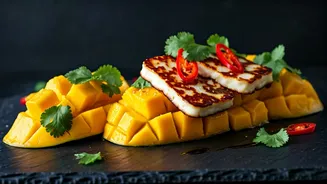
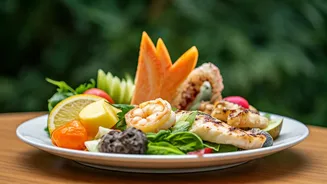
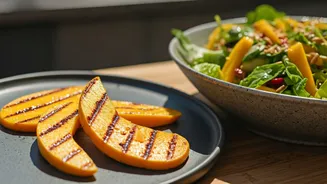
Keep your eyes peeled, and you’ll start seeing it everywhere. On summer menus, it’s often the ingredient that makes a dish pop. You might find it finely julienned and tossed into a slaw, adding a zesty crunch to fish tacos or a pulled pork sandwich. It’s being shaved over crudos and ceviches, where its acidic bite helps to “cook” the fish while adding a crisp counterpoint. Some chefs are pickling it to serve alongside charcuterie boards or using it to create vibrant, tangy sauces for grilled chicken and seafood. Even cocktail bars are getting in on the action, muddling green mango into spicy margaritas or infusing it into gin for a tart, botanical twist. From a simple garnish to the star of a salad, its versatility is its strength.
Finding Your Own Raw Mango Kick
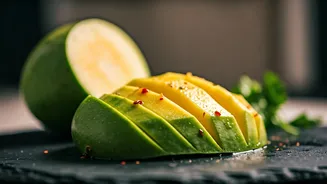
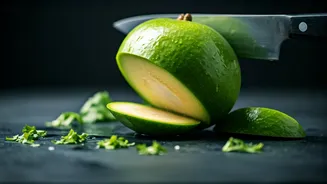
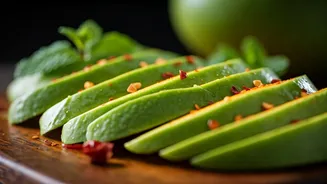
The best part of this trend is how accessible it can be. If you’re feeling adventurous, you don’t have to wait for your next restaurant reservation. Raw green mangoes are readily available at most Asian, Indian, and Latin American grocery stores. They look like hard, green torpedoes and should feel very firm to the touch. The easiest way to enjoy one at home is to treat it like street food: peel it, slice it into spears, and sprinkle it with a mix of chili powder, salt, and a squeeze of lime. Or, get a vegetable peeler and shave it into ribbons to toss into any salad that needs a jolt of life. It’s a simple way to bring a chef-level secret weapon into your own kitchen.