


So, What Exactly Are We Talking About?
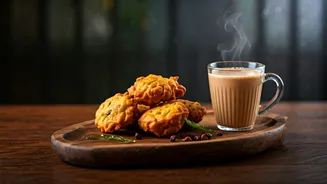
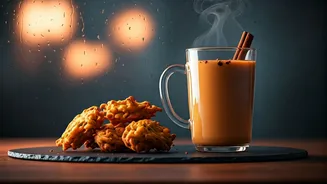
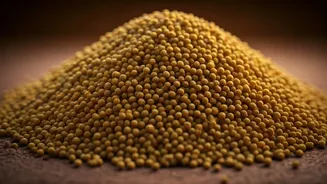
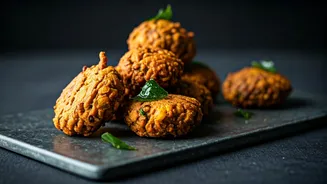
First, let's get acquainted. If you've never heard of a dal fritter, you might know it by another name: vada, pakora, or bonda, depending on the region, ingredients, and preparation. At its heart, it’s a deceptively simple concept. Take lentils (dal),
soak them until they're soft, and grind them into a coarse, thick paste. This paste becomes a canvas for a world of flavor—minced onion, fiery green chilis, fragrant ginger, fresh curry leaves, and earthy spices like cumin and coriander are common additions. The mixture is then formed into small patties or dropped by the spoonful into hot oil, where it transforms into a golden-brown nugget of pure joy. The outside becomes shatteringly crisp, while the inside remains surprisingly light and steamy. It’s a textural masterpiece that delivers a savory, protein-packed punch far more complex than your average potato chip.
A Staple With Deep Roots
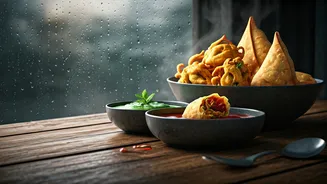
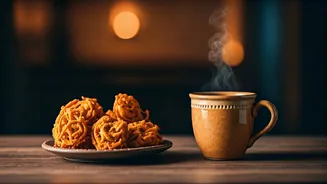
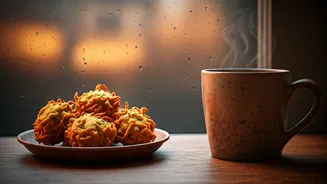
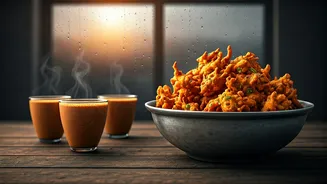
The idea of this being a “comeback” is, of course, a matter of perspective. In South Asia, dal fritters have never been gone—they are an evergreen staple, a cornerstone of daily life. In South India, a 'parippu vada' made with split peas is the quintessential companion to afternoon tea ('chai'). In the north, 'moong dal pakoras' are a rainy-day comfort food, served hot from street-side stalls. They are celebration food, after-school snacks, and humble breakfast items. This isn't a forgotten recipe being dusted off; it's a beloved tradition that has nourished families for generations. The 'comeback' isn't from obscurity, but a journey out of the family kitchen and traditional eateries into the wider American consciousness. It’s the breakthrough of a culinary icon that’s been hiding in plain sight.
The Secret to That Perfect Crunch
What makes the dal fritter so addictively crunchy? It’s a bit of kitchen science. Unlike flour-based batters that can turn dense or greasy, the ground lentil base provides structure without gluten. The key is the coarse grind; leaving some lentils partially intact creates a varied, nubbly texture. When this paste hits the hot oil, the moisture on the surface evaporates instantly, creating a crisp, porous shell. This shell protects the interior, allowing it to steam gently into a fluffy, cake-like consistency. It’s this incredible contrast—that initial crackle giving way to a soft, savory center—that makes them so compelling. It’s also what makes them surprisingly versatile. They hold their crunch well, making them perfect for dipping into chutneys—cool coconut, sweet tamarind, or spicy mint—each bite offering a new combination of flavor and texture.
Its Mainstream Moment in America
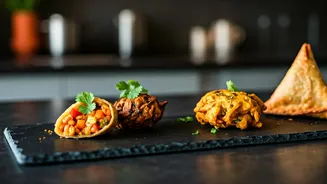
So why are dal fritters suddenly popping up on menus at trendy wine bars and modern cafes? Several forces are at play. First, the American palate is expanding, with a growing hunger for authentic, bold flavors from around the globe. Diners are moving past the standard buffet fare and seeking out the regional specialties and home-style dishes that tell a deeper story. Second, the fritters tick a lot of modern dietary boxes. They are naturally plant-based and, in most cases, gluten-free, making them an inclusive option for appetizers or small plates. Their savory, high-protein profile makes them feel more substantial than other fried snacks. Chefs are embracing their versatility, using them as a base for creative toppings, a crunchy element in salads, or serving them as a sophisticated starter that pairs beautifully with everything from craft beer to sparkling wine. They represent the perfect intersection of tradition and trend: a wholesome, time-tested recipe that feels fresh, exciting, and perfectly suited for the way we eat now.