


First, A Reality Check
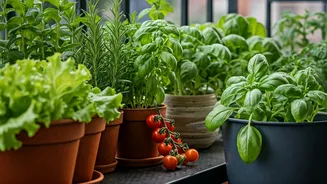
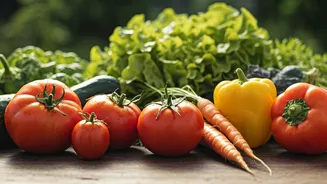
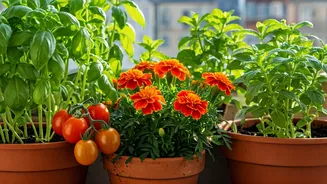
Before you start plotting your indoor farm, it’s important to manage expectations. A low-sunlight environment—think a north-facing window or a spot that gets only a couple of hours of weak, direct sun—is not the place for sun-worshippers like tomatoes,
peppers, or cucumbers. These fruiting plants require at least six to eight hours of intense, direct sunlight to produce anything. Trying to force them will only lead to spindly, sad-looking plants and disappointment. Instead, the key to success in low light is focusing on plants grown for their leaves, stems, and sometimes their roots. These plants evolved under forest canopies or in cooler weather, making them perfectly adapted to the conditions in your shady corner.
Go Green: The Best Leafy Options
Leafy greens are the undisputed champions of the low-light garden. Many are “cut-and-come-again” crops, meaning you can harvest the outer leaves, and the plant will continue producing from the center, giving you a steady supply. Leaf lettuce varieties (like Black Seed Simpson or Red Sails) are far more forgiving than head lettuces. Arugula, with its peppery kick, actually prefers cooler, shadier spots to prevent it from bolting (flowering prematurely). Spinach and Swiss chard are also excellent candidates, providing nutrient-dense leaves for salads and sautés. Even kale, that superfood stalwart, can tolerate partial shade, though its growth may be slower and its leaves more tender—which isn't necessarily a bad thing.
Flavor Power: Essential Culinary Herbs
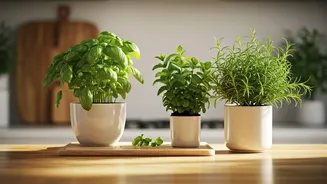
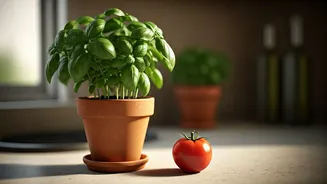
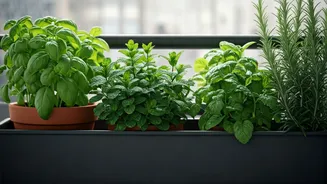
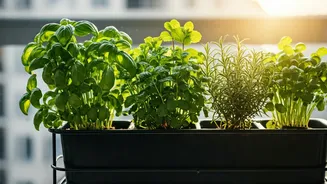
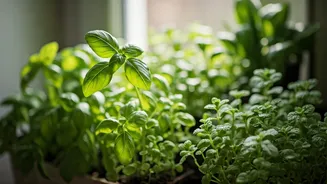
Many of the most popular culinary herbs are surprisingly adaptable. While Mediterranean herbs like rosemary and basil demand full sun, a whole host of others do just fine without it. The mint family is famously vigorous and can thrive in dappled light; just be sure to keep it in a container, as it will take over any space it’s given. Parsley (both curly and flat-leaf), chives, and cilantro are also happy with just a few hours of morning sun or bright, indirect light for the rest of the day. Lemon balm, a fragrant and calming herb perfect for teas, is another shade-tolerant member of the mint family that adds a wonderful citrusy scent to your indoor garden.
Instant Gratification: Mighty Microgreens
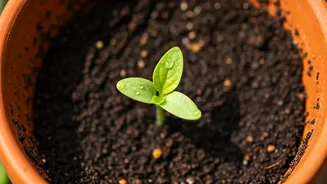
If you’re impatient or have very little space, microgreens are your answer. These aren’t a specific type of plant but rather any vegetable or herb harvested at its first-leaf stage. Because you’re harvesting them just a week or two after planting, they don’t need much light to get going. You can grow them in a shallow tray right on a windowsill that gets only ambient light. Popular choices include radish, broccoli, kale, and mustard greens. They provide a concentrated burst of flavor and nutrients, perfect for sprinkling over salads, sandwiches, and soups. All you need is a tray, some soil, and seeds to get started.
Surprising Roots and Stems
While most root vegetables need sun to fuel their underground growth, a few can manage in less-than-ideal conditions. Scallions (or green onions) are one of the easiest food items to grow indoors. You can even regrow them from the white-and-root ends you buy at the grocery store. Just place them in a small glass of water, and once new roots sprout, transfer them to a pot of soil. Radishes are another quick-growing option. While they prefer sun, they can produce small roots in as little as four hours of direct light, making them feasible for a spot with consistent morning sun. They’ll be ready to harvest in just a few weeks.
Tips for Low-Light Success
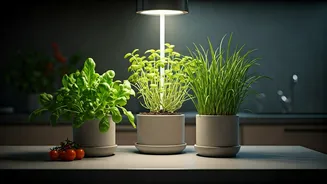
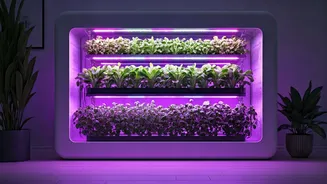
Growing in the shade requires a slightly different approach. First, don't overwater. Plants in lower light grow more slowly and perform less photosynthesis, so they use less water than their sun-drenched counterparts. Let the top inch of soil dry out before watering again. Second, consider a boost. A simple, inexpensive LED grow light can make a world of difference, supplementing the natural light and keeping your plants from getting too “leggy” or stretched out. Finally, keep things clean. Gently wipe dust off your plant’s leaves with a damp cloth every few weeks. This allows them to maximize absorption from what little light they do receive.