



Beyond the Chianti Joke
For many Americans, the fava bean’s primary claim to fame comes from a chilling line in *The Silence of the Lambs*. But this creamy, slightly sweet, and nutty-tasting legume has a history that stretches back thousands of years, serving as a dietary staple
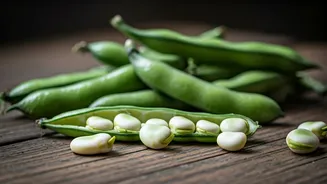
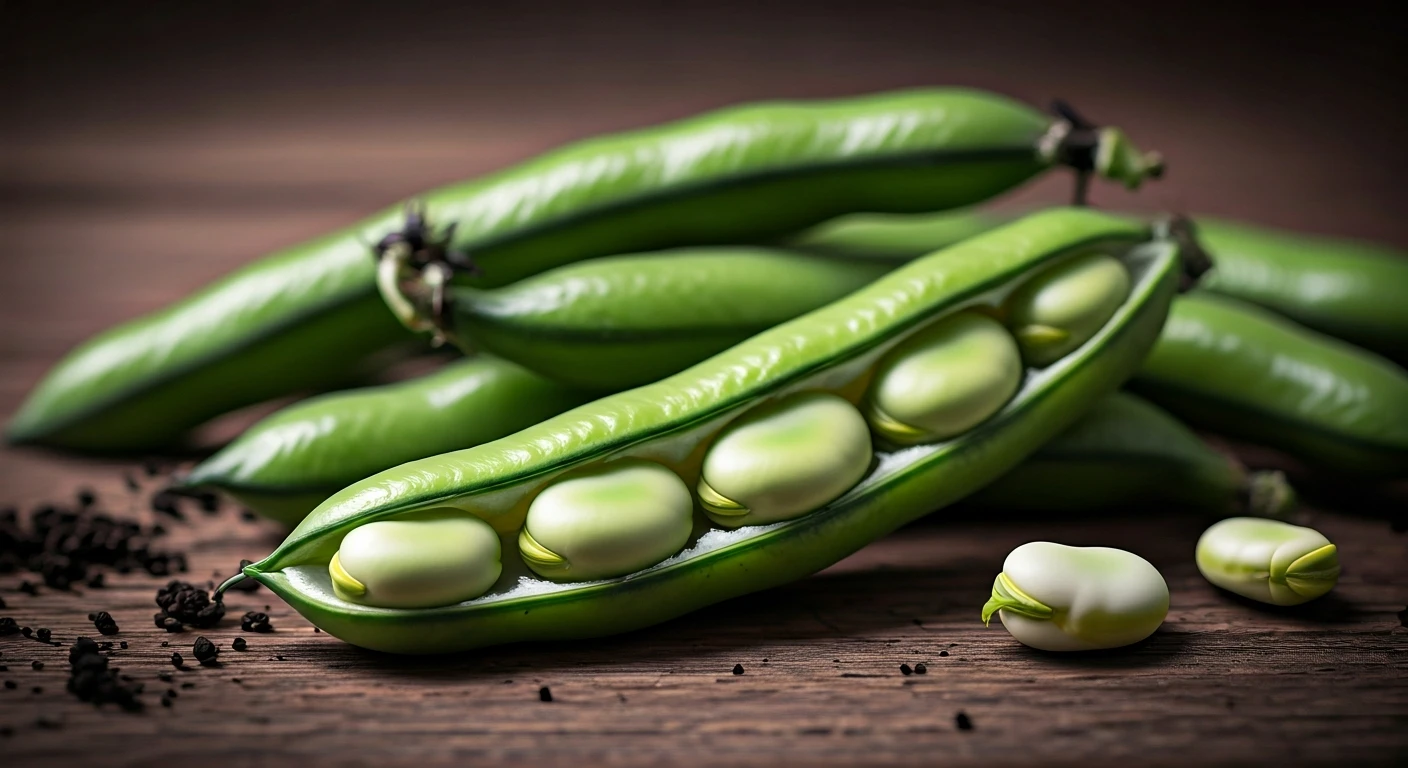
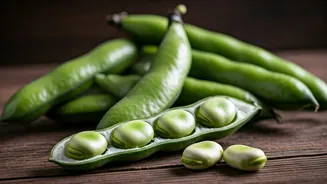
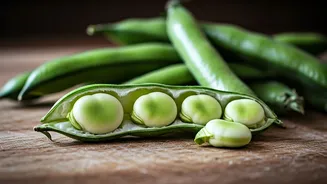
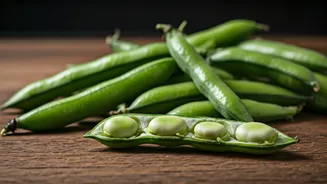
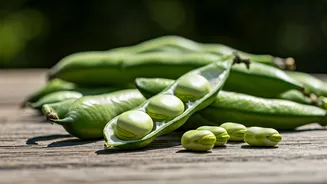
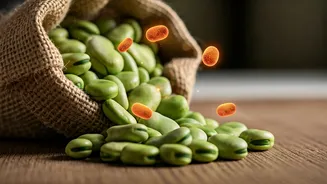
across the Mediterranean, Middle East, and Asia. Also known as broad beans, they grow in large, puffy green pods that look a bit like giant pea pods. Inside, the beans themselves are encased in a tough, pale skin. This two-layer protection is likely part of why they remain “underrated” in the U.S.; they require a bit more prep than a can of chickpeas. But the reward for that minimal effort is a uniquely versatile ingredient that’s finally starting to get its due from chefs and home cooks looking for something new.
A Legitimate Protein Powerhouse
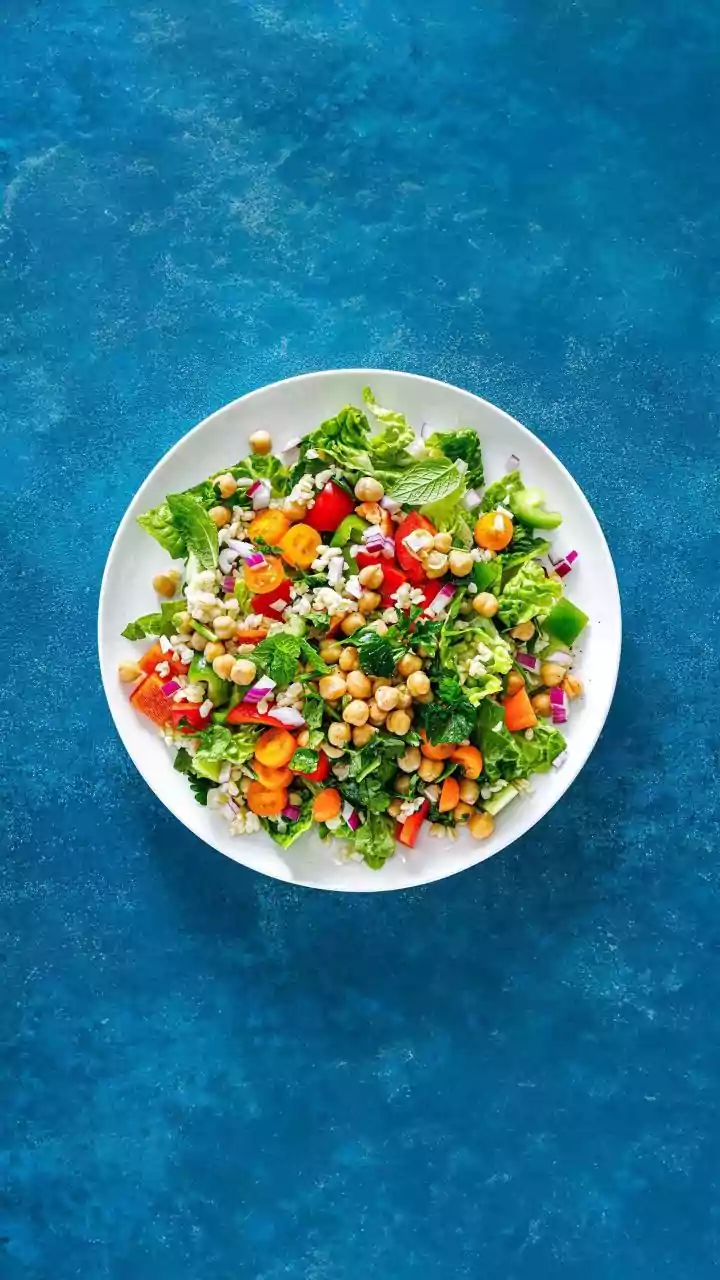
In the world of plant-based eating, protein is king. And fava beans wear the crown comfortably. A single cooked cup delivers around 13 grams of protein, putting them in the same league as lentils and chickpeas. This isn’t just good news for vegetarians and vegans; it’s a win for anyone looking to build a more satisfying meal. The combination of high protein and high fiber makes fava beans incredibly satiating, helping you feel fuller for longer and potentially curbing afternoon snack attacks. This powerful duo helps stabilize blood sugar levels, preventing the energy spikes and crashes that come from less balanced foods. Whether you’re adding them to a salad for a substantial lunch or blending them into a dip, fava beans provide the kind of quality, muscle-supporting fuel that many of us are missing.
Your Gut’s New Best Friend
The term “gut-friendly” gets thrown around a lot, but fava beans have the credentials to back it up. Their magic lies in their impressive fiber content—about 9 grams per cooked cup. This fiber is a mix of both soluble and insoluble types, each playing a crucial role in digestive health. Insoluble fiber adds bulk to stool, promoting regularity and keeping things moving through your system. Soluble fiber, on the other hand, dissolves in water to form a gel-like substance in your digestive tract. This not only helps with satiety but also acts as a prebiotic, feeding the beneficial bacteria in your gut. A happy, well-fed microbiome is linked to everything from improved digestion and a stronger immune system to better mood. By incorporating fava beans into your diet, you’re not just eating a meal; you’re actively cultivating a healthier internal ecosystem.
How to Actually Use Them
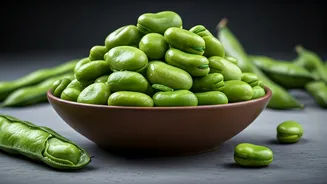
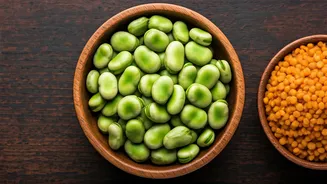
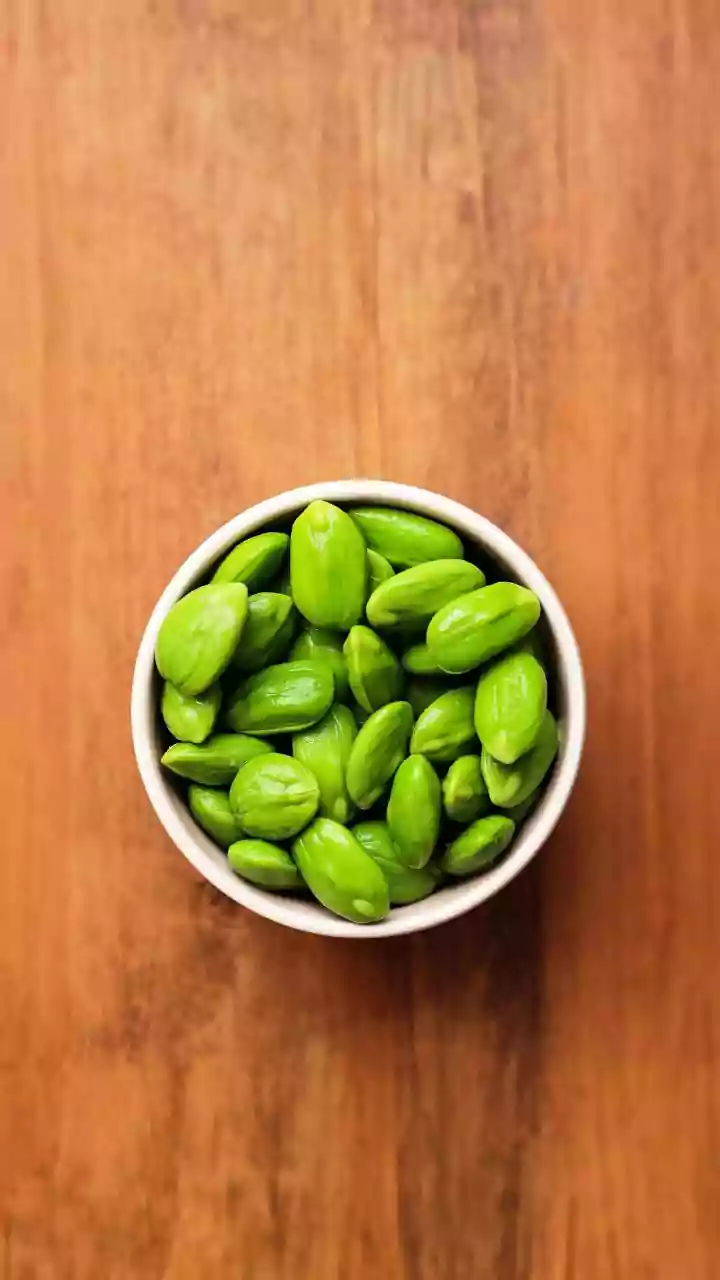
Ready to give them a try? You can find fava beans in several forms: fresh in their pods (a springtime farmers market treat), canned, or dried. Fresh favas require the most work but offer the best flavor. You’ll need to “double-peel” them: first, remove them from the large outer pod, then briefly blanch them in boiling water for about 30 seconds before plunging them into an ice bath. This loosens the waxy individual skin on each bean, which can then be easily slipped off. This step is key to revealing the tender, bright green bean within. Once peeled, they are fantastic tossed with pasta, mint, and ricotta; lightly smashed on toast with olive oil and sea salt; or added whole to grain bowls and salads. Canned versions are a great shortcut—just rinse and use. Dried fava beans need to be soaked overnight and cooked, making them perfect for hearty stews and spreads like Egyptian *ful medames*.
A Quick Word of Caution
While fava beans are a nutritional hero for most, they can cause a serious and dangerous reaction in people with a specific genetic condition called Glucose-6-Phosphate Dehydrogenase (G6PD) deficiency, also known as favism. This condition is most common in people of Mediterranean, African, and Southeast Asian descent. For those with G6PD deficiency, consuming fava beans can trigger a sudden breakdown of red blood cells, leading to severe anemia. If you have a family history of this condition or are unsure, it's wise to consult a doctor before adding fava beans to your diet.