




From All-or-Nothing to ‘Good Enough’
Remember when the only acceptable path to eco-conscious eating seemed to be a strict, 100% plant-based diet? That all-or-nothing approach, while well-intentioned, created a high barrier to entry, leaving many people feeling like they’d already failed.
The new focus is on incremental change and harm reduction, not ideological purity. Enter the rise of the “flexitarian” or “climatarian”—someone who is consciously reducing their consumption of high-impact foods, like red meat and dairy, without eliminating them entirely. The guiding principle is no longer about adhering to a rigid label. Instead, it’s about asking a more useful question: “What’s one small change I can make today?” This might mean swapping beef for chicken in a recipe, trying “Meatless Mondays,” or choosing oat milk for your coffee a few times a week. This forgiving framework acknowledges that for most people, consistency beats short-lived perfection every time. It’s a movement that meets people where they are, celebrating the effort rather than shaming the occasional burger.
The War on Waste Goes Mainstream
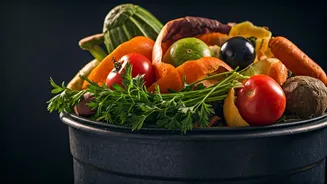
Perhaps the most significant and useful shift in sustainable eating is the intense focus on reducing food waste. This is where the movement gets truly practical. While debating the carbon footprint of an almond versus a cashew feels abstract, preventing a bag of spinach from turning into green sludge in your crisper drawer is a tangible, money-saving win. This idea has gone from a niche concern to a mainstream mission. Supermarkets that once prized cosmetic perfection are now marketing “ugly” or “imperfect” produce at a discount. Apps like Too Good To Go connect consumers with restaurants and bakeries selling surplus food at the end of the day for a fraction of the price. On social media, chefs and food influencers have popularized root-to-stem cooking, sharing creative recipes for broccoli stalks, carrot tops, and beet greens. This focus on waste is powerful because it’s universally accessible. It doesn’t require a specific diet, a big budget, or a deep knowledge of climate science. It just requires a little more mindfulness about what we buy and how we use it.
Beyond the ‘Organic’ Sticker
For a long time, the “USDA Organic” seal was the primary shorthand for sustainable food. While organic farming practices are still a crucial piece of the puzzle, the conversation has become far more sophisticated. The new approach encourages a broader understanding of a food’s journey from farm to plate. Is it locally grown? Eating food that hasn’t traveled thousands of miles reduces its “food miles” and carbon footprint. Is it in season? A winter tomato grown in a heated greenhouse has a much different environmental impact than a summer tomato plucked from a local vine. The conversation is also expanding to include concepts like regenerative agriculture—farming practices that actually improve soil health and sequester carbon. Consumers are being empowered with information, not just labels. Simple tools, like online carbon footprint calculators for food, help people understand that lentils have a tiny fraction of the impact of lamb, empowering them to make informed swaps without needing a Ph.D. in agronomy.
Why the New Approach Is Working
The shift away from preachiness isn’t just a marketing gimmick; it’s a strategic pivot based on a simple reality: guilt is a poor long-term motivator. The old model of sustainable eating often felt elitist, expensive, and culturally tone-deaf, ignoring the economic realities and food traditions of millions of Americans. It created a sense of paralysis, where the problem felt so big and the rules so strict that doing nothing seemed easier than trying. The new, useful approach works because it’s inclusive and empowering. By focusing on accessible entry points like reducing waste or making small dietary swaps, it invites everyone to participate. It transforms sustainability from a burden of individual sacrifice into a collective project of smart, achievable choices. It’s less about being a perfect environmentalist and more about being a thoughtful, resourceful cook and consumer.