




Rejecting the Sci-Fi Aesthetic
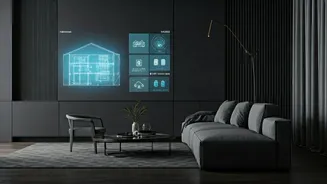
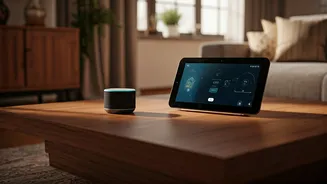
For years, the promise of the smart home has been tied to a specific look: clean lines, stark white walls, and gadgets displayed like chrome-and-glass trophies. This vision, born largely out of Silicon Valley and minimalist European design, often feels
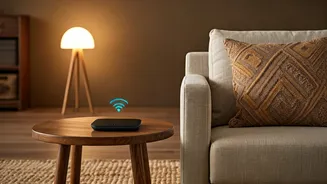
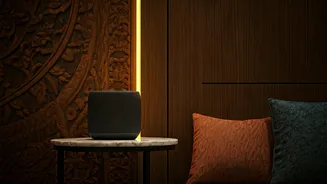
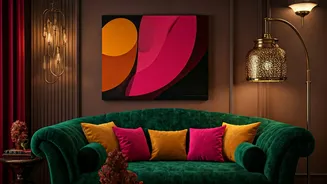
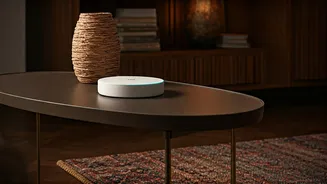
impersonal and cold. But in India, a country with a rich and varied palette of design traditions, homeowners and designers are charting a different course. They are embracing the convenience of smart technology without sacrificing the soul of their homes. This isn't about simply placing a smart speaker on a carved wooden side table. It’s a more thoughtful synthesis where technology disappears, becoming a silent, helpful partner rather than the main attraction. The goal is to enhance life within a culturally rich environment, not to replace that environment with a generic, futuristic shell. The result is a home that feels both ancient and modern, where a voice command can dim the lights over a collection of generations-old brassware, and an app can control the air conditioning in a room filled with vibrant textiles and family heirlooms.
The Art of Invisible Integration
The key to this approach is seamless, almost invisible, integration. Designers are getting creative to hide the hardware, ensuring the home’s aesthetic remains paramount. Instead of bulky speakers, they might opt for in-ceiling or in-wall audio systems that are heard but not seen. Wires are meticulously planned and hidden during construction or renovation, disappearing into walls and custom cabinetry. Smart lighting is one of the most popular features, but not just for the party trick of changing colors. It’s used to create moods and highlight architectural details or art. Imagine automated accent lights that gently illuminate intricate jali latticework in the evening, or spotlights that adjust their warmth and intensity to perfectly flatter a Tanjore painting. Motorized blinds and curtains are another favorite, tucking away the convenience of automation behind luxurious fabrics. Even smart switches are chosen to match or complement traditional brass or porcelain fittings, blending in rather than standing out as plastic-and-LED interruptions.
Culture and Convenience Converge
This trend isn't just about aesthetics; it's also deeply rooted in the realities of Indian family life. Multi-generational households are common, and smart technology offers practical benefits. For an elderly family member, being able to control lights, fans, or even unlock the door with a simple voice command isn't a novelty—it’s a powerful tool for independence and safety. Voice assistants that understand regional accents and languages have further accelerated this adoption. Furthermore, there's a cultural appreciation for hospitality and creating a comfortable environment. Automating routine tasks—like turning on the water heater before a morning shower or setting the AC to the perfect temperature before arriving home—frees up time and energy. It’s about using technology to serve the rhythms of family life, making the home a more responsive and nurturing space. In this context, technology isn't seen as a cold intrusion but as an enabler of comfort, security, and connection.
A New Definition of Luxury
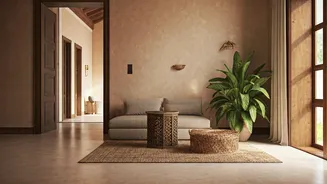
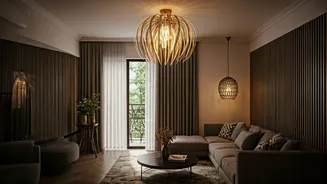
Ultimately, the Indian smart home redefines what modern luxury means. It's not about showcasing the most expensive gadget, but about the quiet confidence of a home that works beautifully and effortlessly. It’s a space where a door with a 200-year-old salvaged frame can be secured with a fingerprint scanner, and where an antique swing can sit in a room managed by a sophisticated climate control system. This fusion demonstrates that embracing the future doesn't require erasing the past. The aesthetic is layered, personal, and unapologetically decorative. Think rooms filled with dark wood, polished Kota stone floors, handwoven rugs, and vibrant silks. Into this richly textured backdrop, technology is woven in so subtly that you might not notice it until you see it in action. The real luxury is the seamless experience—the feeling that the home is intuitively responding to your needs, all while wrapped in a visual tapestry of personal history and cultural identity.