







A Digital Welcome Mat on the Rails
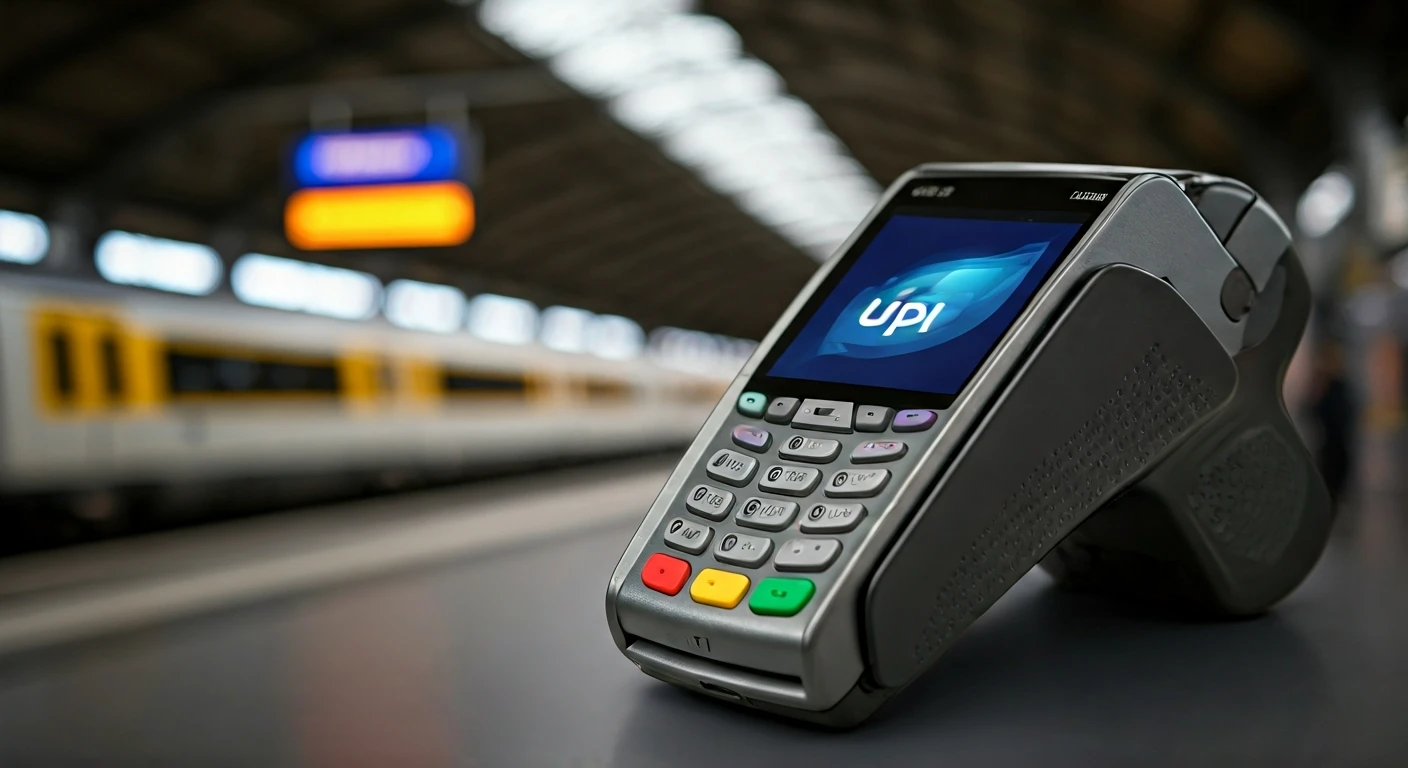
In a move that’s both technically savvy and economically shrewd, Germany's national railway operator, Deutsche Bahn (DB), has officially integrated India’s Unified Payments Interface (UPI) system. This means Indian tourists, students, and business travelers
can now purchase train tickets through DB’s website and mobile app using the same familiar, instant payment method they rely on for virtually every transaction back in India. Forget fumbling with foreign credit card portals, worrying about international transaction fees, or carrying wads of euros for the ticket machine. With a few taps on their phone, they can use their preferred Indian banking app to pay directly in rupees. This collaboration, facilitated by payment service provider Worldline, removes a significant layer of friction from the travel experience, effectively rolling out a digital welcome mat for one of the world's fastest-growing tourism markets.
What Exactly Is This 'UPI' Thing?
For most Americans, the digital payment landscape is a mix of Zelle for bank transfers, Venmo for splitting brunch, and Apple or Google Pay for tapping at the register. Now, imagine a single, government-backed system that does all of that and more, and is used by nearly everyone, for everything. That’s UPI in India. Launched in 2016, UPI is a real-time payment system that allows users to link multiple bank accounts to a single mobile app, enabling instant, secure fund transfers and merchant payments using a simple ID or QR code. It's not just popular; it's foundational to India's digital economy. The system processes a staggering number of transactions—often exceeding 10 billion per month—and is used for everything from buying street food and paying utility bills to major retail purchases. It has been a revolutionary force, bringing hundreds of millions of people into the formal digital economy. Its simplicity and ubiquity are what make its absence abroad so noticeable for Indian travelers.
More Than Just a Ticket
This integration is a game-changer for the hundreds of thousands of Indians who visit Germany each year. Before this, they faced the typical traveler's dilemma: use an international credit card and risk high conversion fees and potential declines, or deal with the hassle of currency exchange. For a generation in India that is now 'mobile-first' and almost cashless, being forced to revert to older payment methods can feel like a step backward. By meeting these travelers where they are—on the payment platforms they use dozens of times a day—Germany is not just offering convenience. It’s sending a powerful signal of welcome and understanding. This move acknowledges the global importance of India's digital ecosystem and positions Germany as a forward-thinking, hassle-free destination, which can be a major deciding factor for tourists choosing between European countries.
A Glimpse into the Future of Travel
While the headline is about Germany and India, the real story here is about the future of global interoperability. UPI’s expansion is not limited to Germany; it has already been rolled out in countries like France, the UAE, Singapore, and Nepal. This is the start of a quiet revolution against the fragmented global payment system. Imagine a future where your preferred U.S.-based payment app, whether it’s Zelle or Cash App, works seamlessly on the Tokyo Metro or in a Parisian bakery. That’s the world this UPI integration hints at. While the U.S. is developing its own instant payment system, FedNow, its consumer adoption and integration into a single, universal interface like UPI is still years away. The Deutsche Bahn deal is a case study in how national payment systems can become global assets, creating a more seamless and interconnected world for travelers and businesses alike.