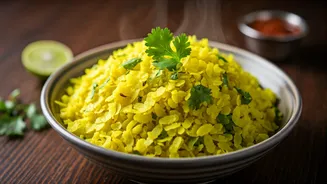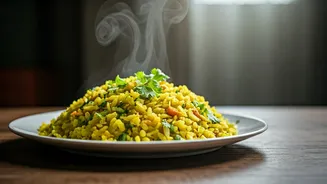

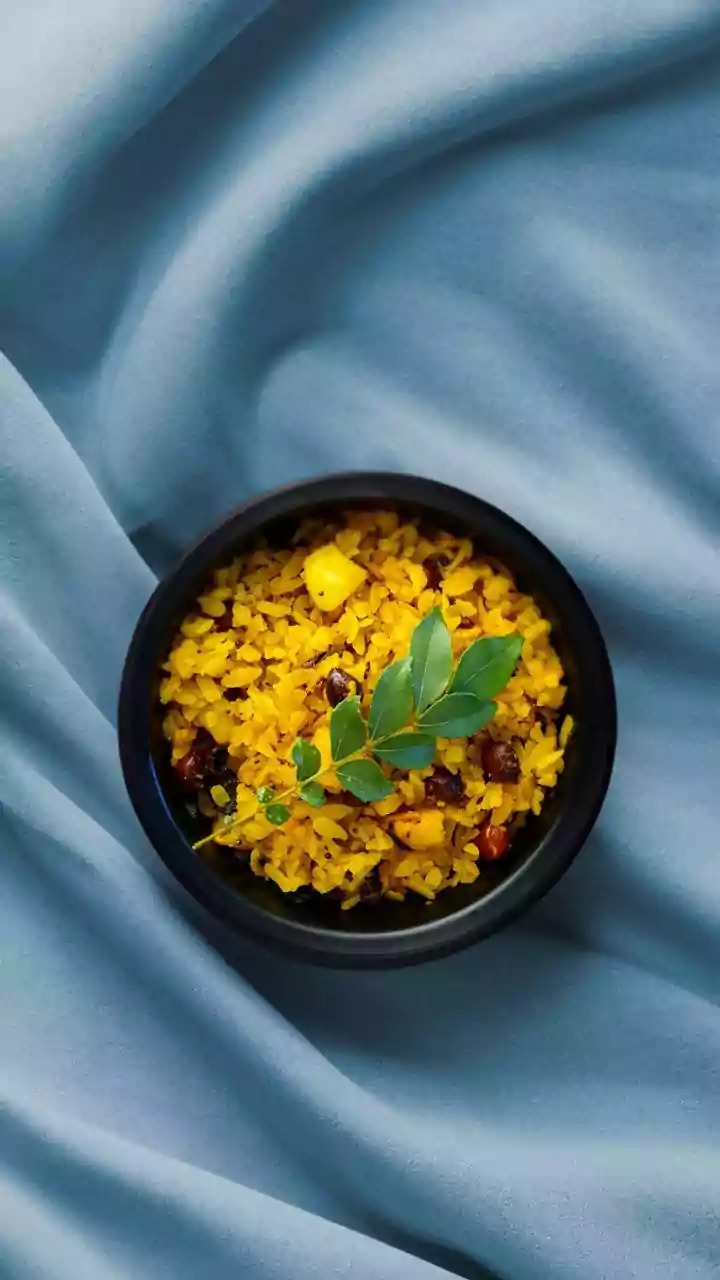
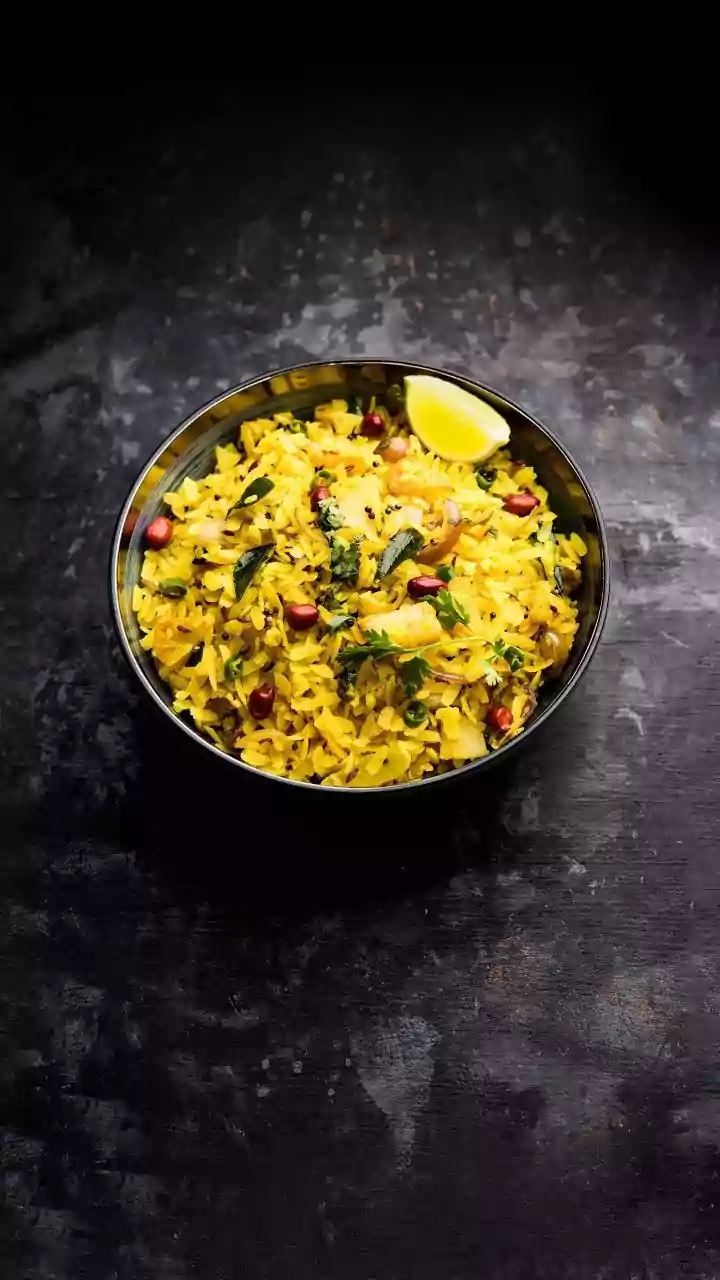
So, What Exactly Is Poha?
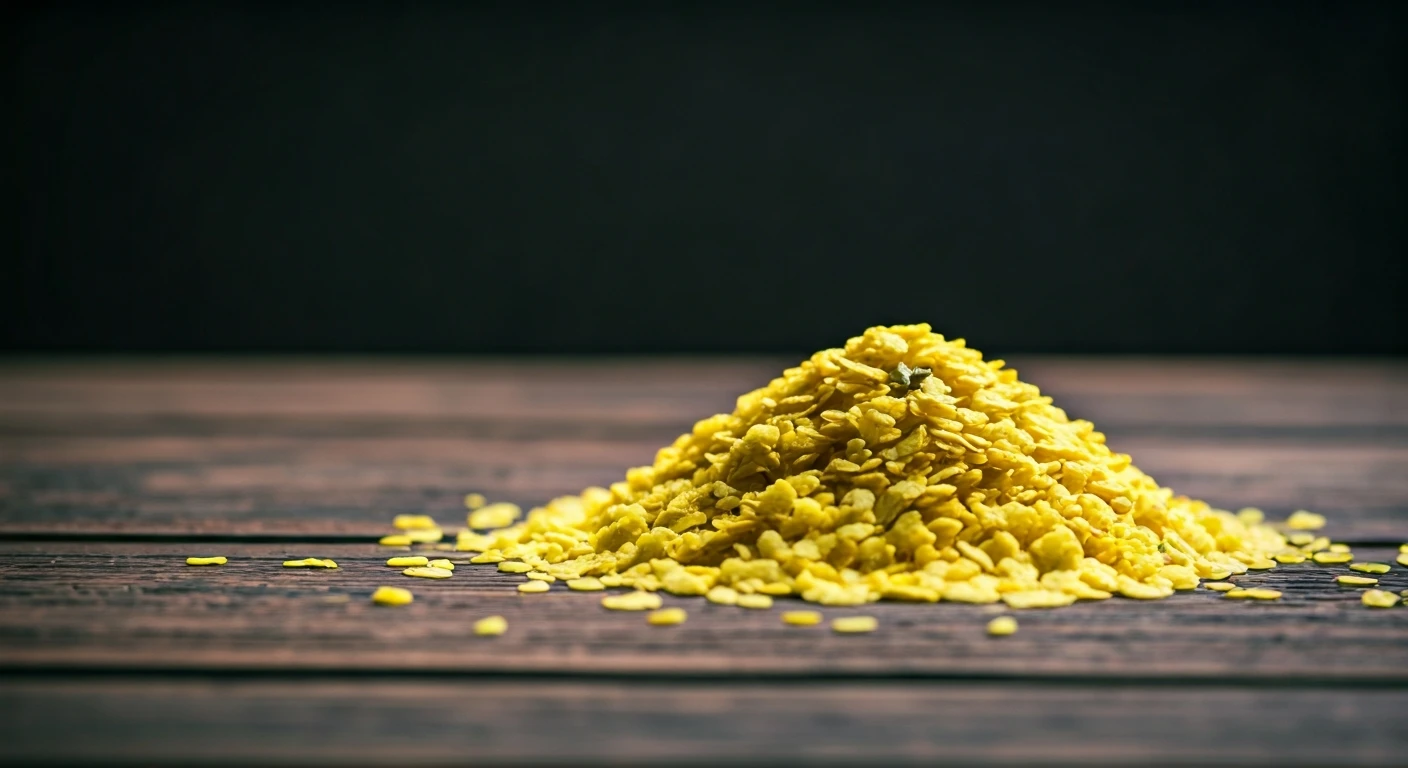
Before you can celebrate it, you need to know what it is. Poha (pronounced PO-ha) refers to both a beloved Indian breakfast dish and its main ingredient: flattened rice. Imagine rice that has been parboiled, rolled into thin flakes, and dried. Unlike
the raw rice you’d use for dinner, these flakes are light, airy, and cook in minutes. Think of it as the savory, sophisticated cousin to oatmeal, but infinitely quicker. When briefly rinsed, the flakes soften into a tender, fluffy texture that’s brilliant at soaking up flavors without becoming a pile of mush. Primarily popular in Western and Central India, poha is the go-to breakfast for millions—a quick, satisfying, and delicious way to start the day that’s sold everywhere from street carts in Mumbai to family kitchens in Indore.
Why It's a True Breakfast Upgrade
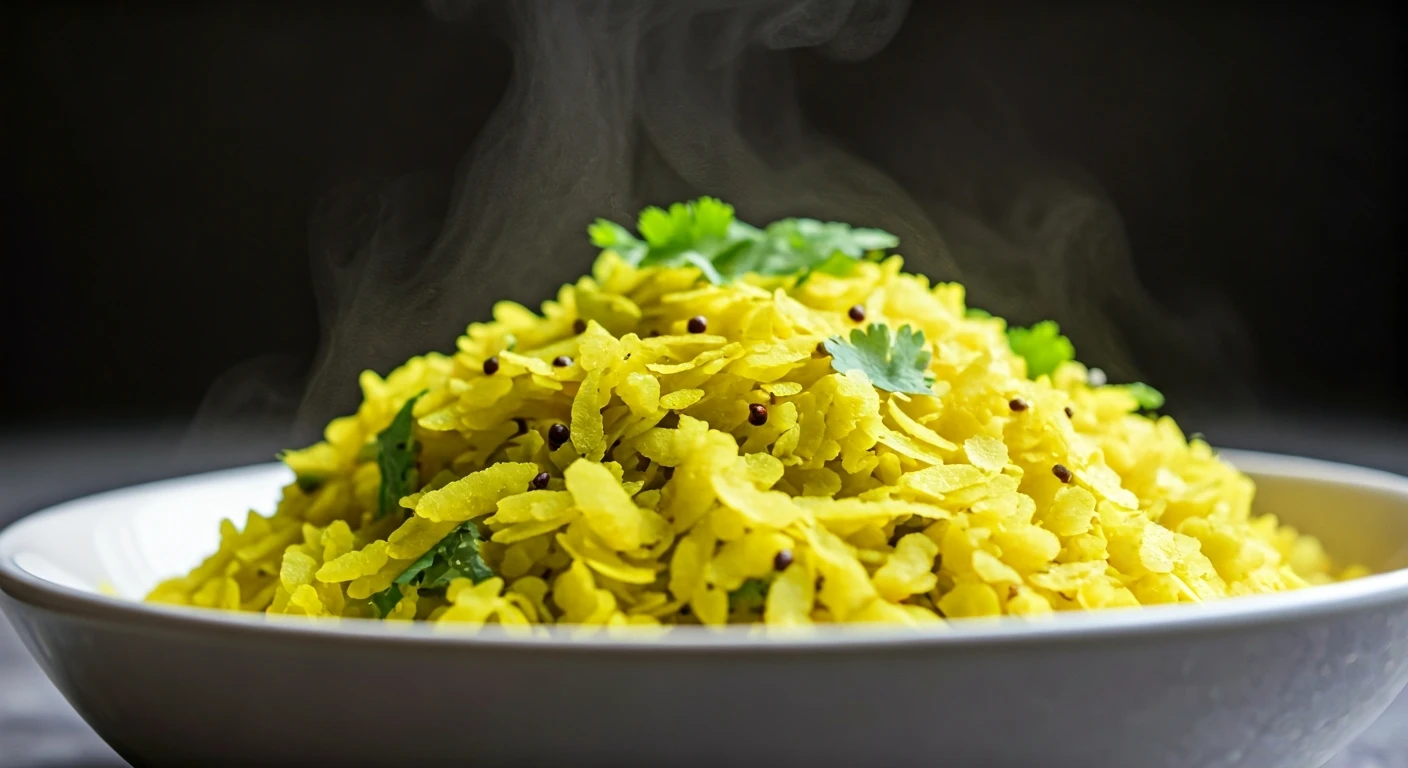
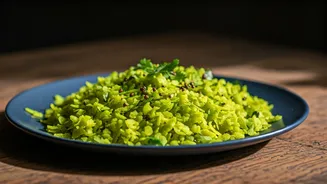
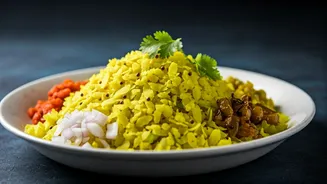
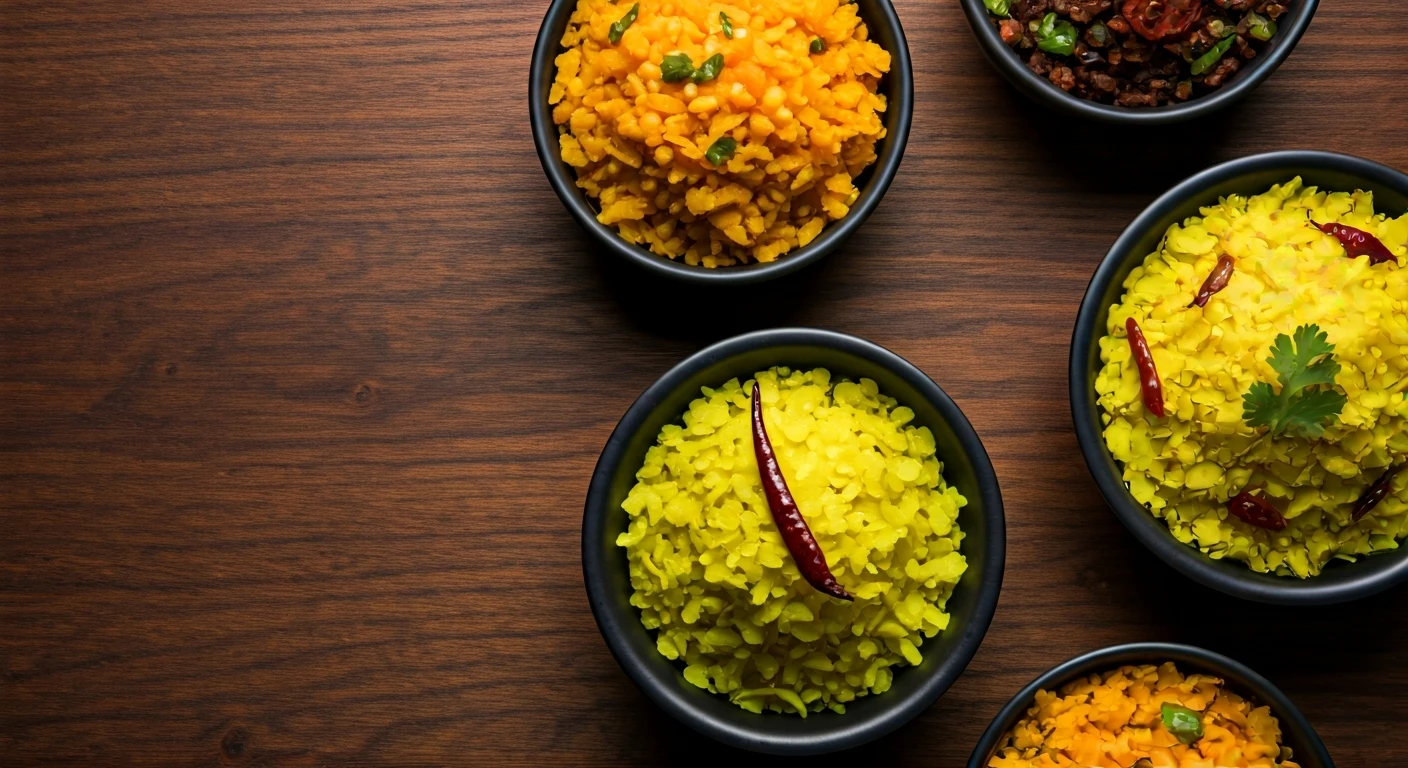
Calling poha an “upgrade” isn’t just hyperbole. For the typical American breakfast eater, it’s a game-changer on several fronts. First, there’s the speed. A delicious, hot plate of poha can be ready in about 15 minutes flat—less time than it takes to brew a pot of coffee or wait for pancakes to bubble. The flakes themselves require no real cooking, just a quick soak while you prep the other ingredients. Second, it’s a welcome pivot to savory. Instead of a sugar-laden dish that leads to a mid-morning crash, poha delivers complex flavors. The base is typically built by sputtering mustard seeds in hot oil, followed by sautéed onions, fragrant curry leaves, and a dash of vibrant turmeric, which gives the dish its signature sunny-yellow hue. It’s warm, aromatic, and satisfying in a way that a bowl of cornflakes simply can’t be. Finally, it's light yet energizing. Poha is naturally gluten-free and easy on the digestive system. It provides a good source of carbohydrates for energy without weighing you down, making it the perfect fuel for a busy morning.
Your Poha Starter Kit: No Intimidation Allowed
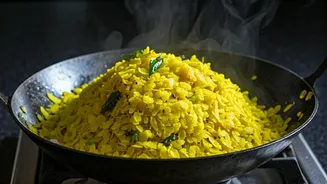
Diving into a new cuisine can feel daunting, but poha is incredibly forgiving and beginner-friendly. You can find the key ingredients at any Indian grocery store or online. Look for ‘thick’ or ‘medium’ poha flakes, as the ‘thin’ variety can get mushy. Beyond that, you’ll need some basic pantry items: onions, turmeric powder, and mustard seeds are non-negotiable. For a truly authentic flavor, try to find fresh curry leaves—they add a unique, aromatic depth that’s hard to replicate. The process is simple. While your poha flakes soak in a colander for a few minutes, you’ll heat oil in a pan and add the mustard seeds. Once they start to pop, you add the onions and curry leaves and sauté until fragrant. Then, stir in the turmeric, add the drained poha flakes, and gently mix until every flake is coated in yellow. Cover and let it steam for a minute or two, and that’s it. The final, crucial step is a generous squeeze of fresh lemon or lime juice to brighten everything up.
Level Up Your Poha Game
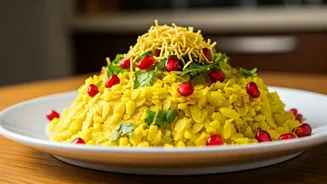
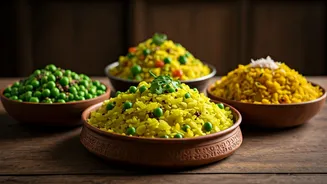
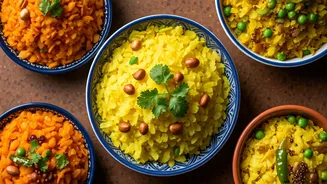
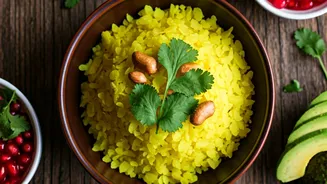
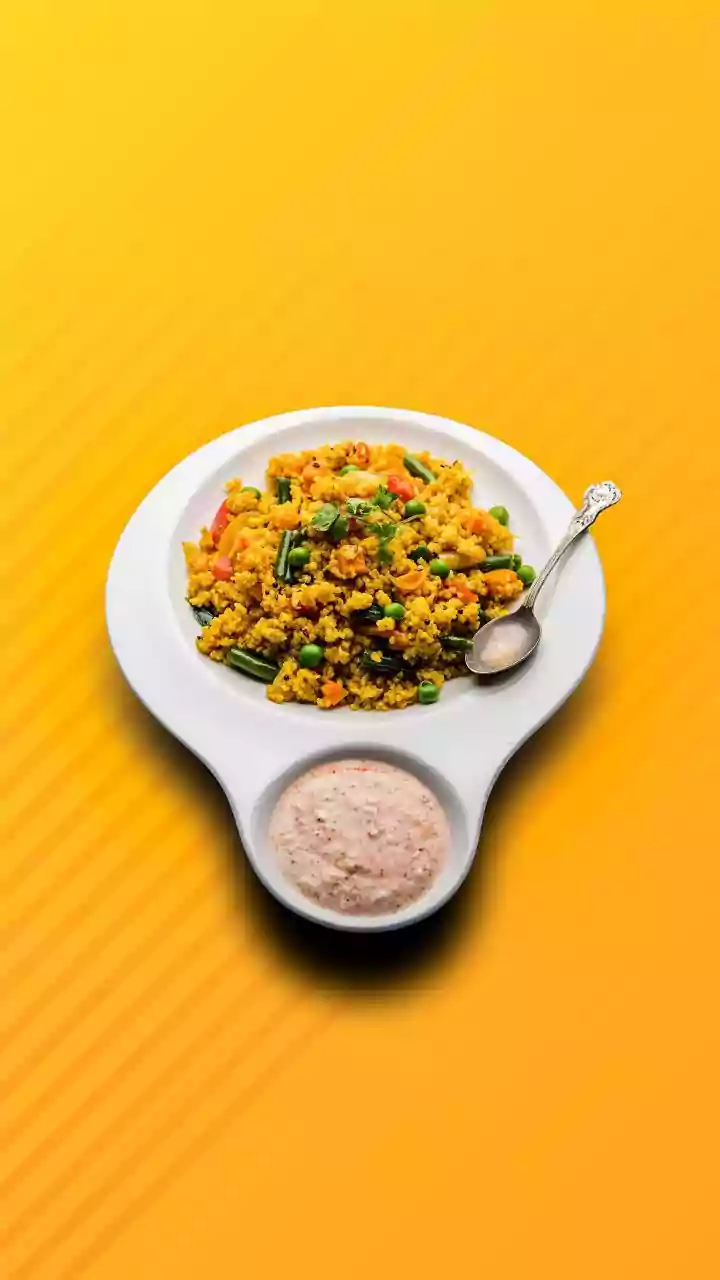
Once you’ve mastered the basic recipe, poha becomes a canvas for customization. Many classic recipes, like Kanda Batata Poha, include small cubes of par-cooked potato. You can toss in green peas for a pop of sweetness or roasted peanuts for a delightful crunch. For a more substantial meal, many people top their poha with a fried egg. The real pro move is in the garnishes. Freshly chopped cilantro is a must. But to take it to the next level, sprinkle on a generous handful of ‘sev’—crispy, fried chickpea flour noodles that add an addictive savory crunch. A side of plain yogurt can also provide a cool, creamy contrast to the spiced flakes. Don’t be afraid to experiment; there’s no wrong way to enjoy it.