


The New Question at the Dinner Table
For generations, the primary food concerns for most Indian households were price and availability. But that's changing, and fast. A powerful combination of forces—a burgeoning middle class with disposable income, higher internet penetration, and a surge
in health consciousness, supercharged by the pandemic—has created a new kind of consumer. They aren't just buying food; they are interrogating it. This shift is most visible in India's bustling Tier-1 and Tier-2 cities like Mumbai, Bangalore, and Delhi. Here, shoppers are looking past the label on the front and flipping the package over. They are scanning QR codes, researching brands online, and peppering shopkeepers with questions about pesticides, farming practices, and supply chains. It represents a fundamental break from the past, where trust was placed in a local vendor or a legacy brand without much thought. Now, trust must be earned through transparency.
From Food Scares to Food Startups
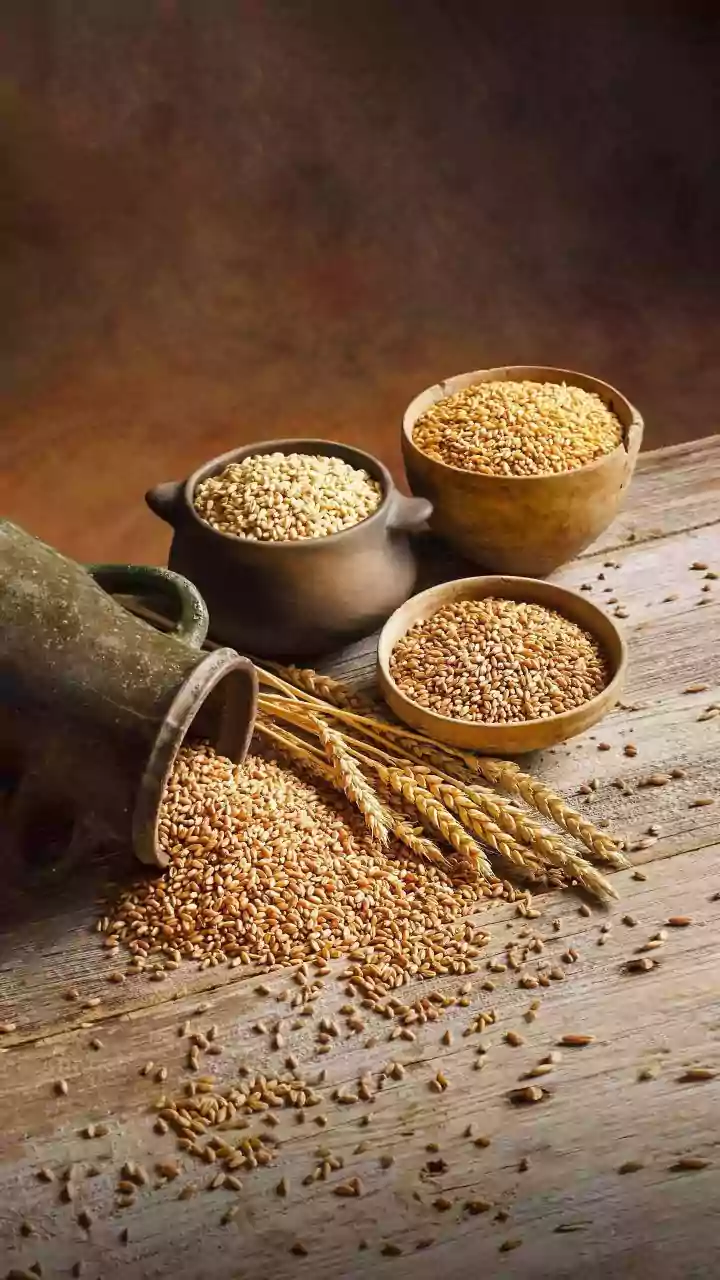
You can't understand this new skepticism without looking at its roots. Several high-profile food safety scares over the last decade have left a deep mark on the public consciousness. The most famous was the 2015 nationwide ban on Nestlé's Maggi noodles—a beloved household staple—after regulators found allegedly high levels of lead. While the product eventually returned to shelves after legal battles, the incident shattered the illusion that big, trusted brands were infallible. Into this trust vacuum has poured a new generation of tech-savvy entrepreneurs. The Indian market is now teeming with direct-to-consumer (D2C) food startups that have built their entire brand identity around traceability. Companies are using everything from blockchain to simple QR codes to show customers the journey of their food, from a specific farm to their kitchen. They offer pesticide-free vegetables, single-origin spices, and organic grains, complete with the backstory of the farmers who grew them. These aren't niche health-food stores; they are mainstream, app-driven services delivering transparency to the doorstep.
A Modern Twist on an Ancient Idea
While the tools are modern, the underlying desire connects to deep-seated cultural values. The concept of “pure” food, free from contamination, has long been central to Indian life, tied to both religious and Ayurvedic principles. The new “clean label” movement is, in many ways, a 21st-century reinterpretation of this ancient ideal. Consumers aren't just seeking safety from chemicals; they are looking for food that feels authentic and wholesome. This trend also signifies a growing pride in local and regional produce. For years, “imported” was a byword for quality. Now, consumers are celebrating high-quality Indian equivalents. They want to know the specific region their mangoes are from, the story behind their coffee beans from the hills of Coorg, or the traditional methods used to mill their flour. It’s a farm-to-table movement with a uniquely Indian flavor, blending a global desire for authenticity with a rediscovery of local heritage.
Why It Matters Beyond India
When consumer habits change in a country of 1.4 billion people, the world takes notice. The demand for transparency in India will have ripple effects across the globe. International food companies hoping to succeed in this lucrative market can no longer rely on brand recognition alone; they will need to invest in verifiable, transparent supply chains to compete. This pressure will, in turn, help standardize better agricultural and processing practices. For American exporters and food brands, this is both a challenge and an opportunity. Those who can clearly and effectively tell the story of their product's quality and safety will find a receptive and growing audience. This isn't just about Indian consumers asking where their food comes from. It's about a new global standard being set, one where the story behind the food is becoming as important as the food itself.