






From Afterthought to Agenda Item
For decades, the American professional mantra was simple: grind harder. Sleep was for the weak, and burnout was a quiet cost of ambition. But that ethos is being systematically dismantled, replaced by a concept borrowed from elite sports: proactive recovery.
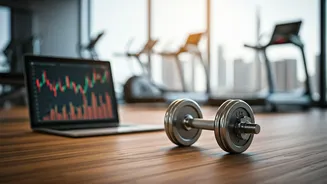
In this new paradigm, recovery isn't just crashing on the couch after a brutal week. It's a structured, often data-driven, set of activities designed to restore mental and physical capital. Think less about passive rest and more about active restoration. This includes everything from a CEO scheduling a midday meditation session or an entrepreneur using a wearable device like an Oura Ring or Whoop strap to track sleep quality, to teams investing in office-adjacent wellness pods. It’s the formalization of rest—turning it from a guilty pleasure into a scheduled, non-negotiable part of a high-performer’s workflow.
The New Elite Playbook
This trend began, as many do, at the fringes with pro athletes and Silicon Valley biohackers who sought any possible edge. They were the early adopters of cold plunges, infrared saunas, and biometric tracking. Now, that playbook has gone mainstream in the C-suite and among top-tier knowledge workers. Why? Because in a world where everyone is connected 24/7, the ability to work longer hours is no longer a differentiator. The new competitive advantage is cognitive endurance: the capacity to make clear, high-stakes decisions under pressure, day after day. Leaders are realizing that their most valuable asset isn’t their time, but their energy and mental clarity. An exhausted, over-caffeinated executive is a liability. A recovered one is a strategic weapon. As a result, 'How do you recover?' is becoming as common a question in elite circles as 'What’s your morning routine?'
Why It's a 'Strategy,' Not a Luxury
Labeling recovery a 'strategy' is the key to understanding this shift. It reframes rest from an indulgence into an investment with a clear ROI. For an individual, the strategy is to optimize performance. Better sleep leads to improved memory consolidation and emotional regulation. Deliberate downtime prevents the decision fatigue that plagues leaders. For a company, a culture that promotes recovery is a strategy for talent retention and risk management. Burned-out leaders make poor decisions, create toxic environments, and are more likely to quit. By formally sanctioning and even providing tools for recovery, companies are strategically safeguarding their leadership pipeline. It's a calculated move to build a more resilient, effective, and sustainable organization. This isn't about being 'nice' to employees; it's a hard-nosed business decision in an era of intense competition and chronic stress.
The Burnout Epidemic as a Catalyst
So, why is this all happening now? The short answer is the great post-pandemic workplace reckoning. The widespread shift to remote work blurred the lines between office and home, accelerating an already simmering burnout crisis. Millions of professionals, confronted with the fragility of health and the hamster wheel of endless Zoom calls, began questioning the 'hustle at all costs' culture. The 'Great Resignation' was a symptom of this mass exhaustion. In response, forward-thinking leaders and companies realized they couldn't just demand more from their people; they had to help them build the capacity to deliver. Recovery became the strategic antidote to the always-on disease. It’s a direct response to a workforce that is more stressed, anxious, and depleted than ever before, making resilience the most critical professional skill of the decade.