



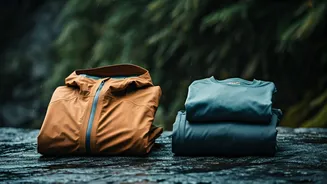

Start with a Weatherproof Foundation
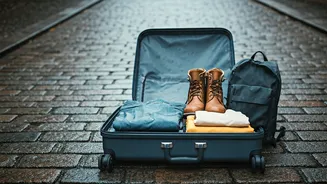
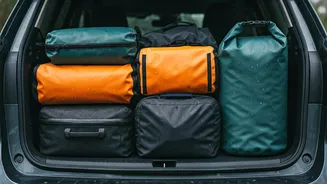
Your first line of defense is your main piece of luggage. While a hard-shell suitcase offers decent protection, a truly waterproof duffel bag is the gold standard for rainy travel. Look for bags made from materials like laminated nylon or PVC tarpaulin
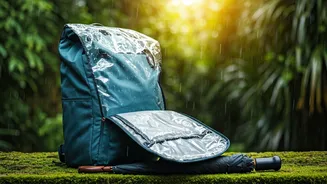
with welded seams instead of stitched ones. Stitched seams have tiny holes that can eventually let water seep in during a prolonged soaking. A bag with a roll-top closure, similar to what you’d find on a kayaker’s dry bag, provides a more secure seal than a standard zipper. Even water-resistant zippers can fail under heavy rain, but a properly sealed roll-top is practically impenetrable. This bag becomes your fortress, ensuring that the bulk of your clothes and gear stay bone-dry even if you have to load or unload the car in a deluge.
Embrace Internal Organization with Packing Cubes
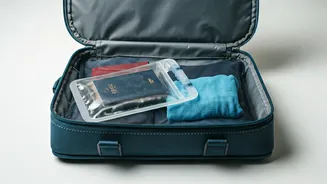
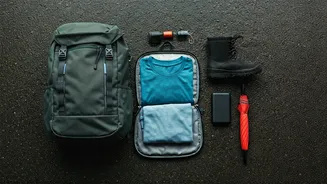
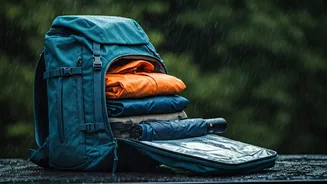
Waterproof packing isn’t just about the exterior bag; it’s about creating systems within the bag. This is where waterproof or water-resistant packing cubes shine. They allow you to compartmentalize your belongings, which is a lifesaver on its own. But their real magic in a downpour is creating multiple layers of protection. If your main bag’s waterproofing were to somehow fail, your electronics, important documents, and a dry change of clothes would remain safe inside their own dedicated, sealed cubes. This strategy also prevents a small leak from ruining everything. Use one for socks and underwear, another for shirts, and a dedicated one for anything you absolutely cannot afford to get wet. This way, you’re not just packed—you’re prepared.
Protect Your Rooftop Cargo
If you’re using a rooftop cargo carrier, weatherproofing is non-negotiable. Soft-sided cargo bags are convenient and flexible, but you must verify their weather-resistance claims. A bag labeled “weather-resistant” might handle a light shower, but it won’t survive hours of highway driving in a storm. For serious protection, opt for a fully “waterproof” model or a hard-shell cargo box. Hard-shell boxes offer the best defense against rain and are more secure. If using a soft-sided bag, make sure the zipper flaps are correctly oriented to shed water and consider packing your items inside heavy-duty trash bags or dry sacks as an extra, inexpensive layer of insurance. The roof of your car takes the most direct punishment from the elements, so don’t cut corners here.
Create a Quick-Access 'Go Bag'
One of the most chaotic parts of a rainy drive is needing something from a bag packed deep in the trunk, forcing you to open everything up in the middle of a storm. Avoid this by creating a small, waterproof “quick-access” bag that stays in the cabin with you. A small 5- or 10-liter dry bag is perfect for this. Inside, keep the essentials you might need to grab quickly: phone chargers, a wallet, snacks, a book, or a small first-aid kit. This simple step means you won’t have to expose your main luggage to the elements just to get your headphones. It keeps you from rummaging around in the rain, tracking mud and water into the car, and turning a quick stop into a frustrating ordeal.
Don’t Forget the Human Element
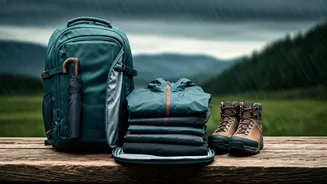
Your gear isn’t the only thing that needs to stay dry. A soggy driver and passengers lead to a miserable trip, foggy windows, and damp seats. Keep a compact, high-quality rain jacket for each person easily accessible, not buried at the bottom of a suitcase. Store it in a seat-back pocket or the quick-access bag. The same goes for a small, absorbent microfiber towel. You can use it to wipe down wet luggage before bringing it inside, dry off your hands, or mop up any water that gets into the car. A little bit of personal comfort goes a long way in keeping morale high when the weather is determined to bring you down.