




The Ultimate Hot-Weather Champion
While many popular garden vegetables trace their origins to cooler, milder climates, okra is a proud native of Africa. It was born for the heat. This genetic inheritance makes it uniquely suited for the sweltering, humid conditions that define an American
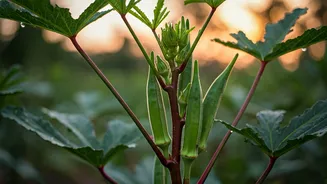
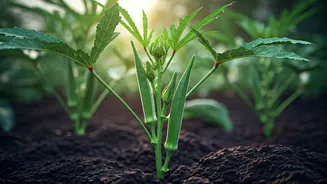
summer, especially in the South and Midwest. When temperatures climb above 85°F, other plants begin to stress, conserving energy and slowing production. Okra, however, hits its stride. It converts that intense sun and warmth into explosive growth, often shooting up from a seedling to a producing plant in under two months. This speed is its secret weapon in a rainy season, allowing it to establish a strong root system and reach for the sun before waterlogged soil can cause permanent damage.
Why It Handles Rain (With One Big Caveat)
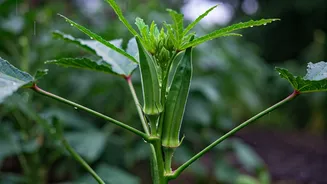
Okra's resilience isn't just about heat; it's also about its structure. Its tough, fibrous stalk can stand up to heavy downpours that might flatten more delicate plants. While it doesn't enjoy having 'wet feet'—meaning its roots sitting in standing water—it is remarkably tolerant of the frequent moisture and high humidity that accompany a rainy spell. The key, and this is non-negotiable, is drainage. Okra must be planted in soil that drains well. If you have heavy clay soil that turns into a puddle after a storm, you'll need to amend it heavily with compost or, even better, plant your okra in raised beds or large containers. A raised bed elevates the root zone, allowing excess water to drain away freely while still giving the plant the moisture it needs. This single step can be the difference between a thriving okra patch and a failed one.
Choosing Your Fast-Growing Variety
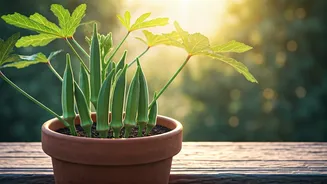
Not all okra is created equal when it comes to speed. For a rainy season where you want results before potential fungal issues set in, look for proven, fast-producing varieties. 'Clemson Spineless 80' is the undisputed classic for a reason: it's reliable, prolific, and typically produces its first pods in just 55-60 days. For those who want something a little different, 'Burgundy' offers stunning red pods and stems with a similar growth time. If you're short on space or growing in containers, dwarf varieties like 'Baby Bubba' are excellent choices, producing full-size pods on compact 3-4 foot plants. Reading the seed packet is crucial; look for the 'days to maturity' and select one that fits the shorter end of the spectrum, ideally under 65 days.
Planting and Care for a Wet Summer
Wait until the weather is consistently hot to plant your okra. Soil temperatures should be at least 70°F for seeds to germinate reliably. Soaking seeds overnight can speed up the process. Plant them about 1 inch deep and space them 12-18 inches apart to ensure good air circulation, which is your best defense against fungal diseases like powdery mildew in a humid environment. Once the plants are established, they are surprisingly drought-tolerant, but in a rainy season, your job is to manage the excess. Avoid overhead watering if you can; let the rain do the work and only supplement during rare dry spells. A layer of mulch can help suppress weeds and prevent soil from splashing onto the leaves, which can spread disease.
The Joy of the Never-Ending Harvest
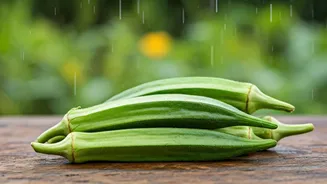
The true reward of growing okra is its relentless productivity. Once it starts, it doesn't stop until the first frost. This is where the 'fast-growing' part of the headline really pays off. You must harvest your okra every one to two days. Pods go from tender to tough in a flash. The ideal size for most varieties is 2-4 inches long. Any larger, and they become woody and unpleasant to eat. Use pruning shears or a sharp knife to cut the stem just above the pod. Be sure to wear gloves and long sleeves, as the leaves and stems of many varieties are covered in small spines that can cause skin irritation. The more you harvest, the more the plant will produce. It's a satisfying rhythm that can yield a massive bounty from just a few well-tended plants.