


The New Southeast Asian Itinerary
For decades, the typical international trip for many middle-class Indians might have meant a quick visit to nearby Nepal or a splurge on a group tour of Europe. But a significant shift is underway. Today, the buzz is all about Southeast Asia. Countries
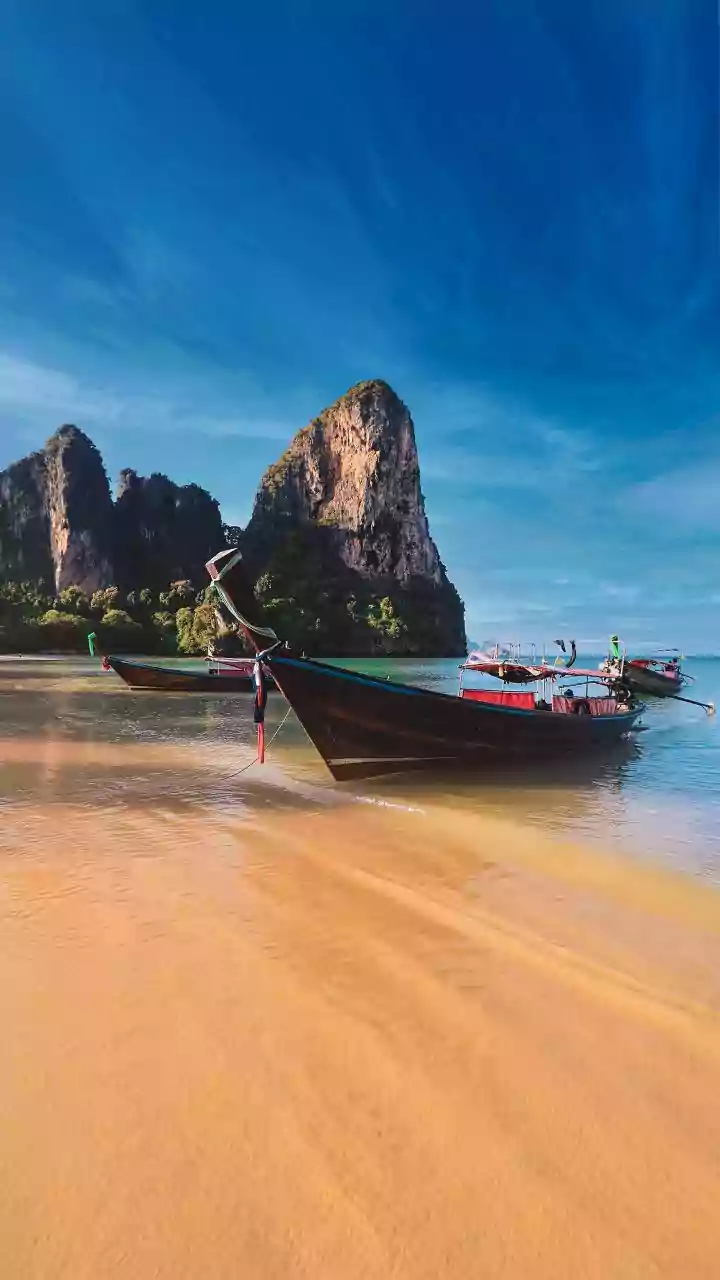
like Vietnam, Thailand, Indonesia (specifically Bali), and Cambodia are dominating the wish lists of travelers from the eastern Indian metropolis of Kolkata. These destinations offer a compelling trifecta: exotic cultural experiences, stunning natural beauty, and, most importantly, affordability. Travel agencies report a surge in inquiries and bookings for five-to-seven-day packages that feel a world away without requiring a lifetime of savings. The appeal lies in the vibrant street food scenes of Hanoi, the pristine beaches of Krabi, and the spiritual tranquility of Bali's temples—all now within reach.
What 'Affordable' Actually Looks Like
The term 'affordable' can be subjective, but in this context, the numbers are genuinely surprising. According to reports from Indian travel operators, all-inclusive packages for a five-day trip to Vietnam or Thailand can start from as low as ₹30,000 to ₹40,000 per person. Converted to U.S. dollars, that’s roughly $360 to $480. These packages often cover return airfare, accommodation, local sightseeing, and some meals. For comparison, a domestic flight to another major Indian city could sometimes cost nearly as much. This price point fundamentally changes the calculation for aspiring travelers. It reframes international travel from a major financial undertaking to something that can be budgeted for annually, much like one might save for a new laptop or a holiday season shopping spree.
The Forces Driving the Wanderlust
Several factors are fueling this travel boom. First is the post-pandemic effect; after years of restrictions, pent-up demand for new experiences is at an all-time high. Second, India's expanding middle class has more disposable income and a greater desire to spend it on experiences rather than just material goods. Social media also plays a huge role. Instagram feeds filled with friends' stunning photos from Ha Long Bay or Balinese rice paddies act as powerful, real-time advertisements, creating a sense of 'if they can do it, why can't I?' Finally, the travel industry itself has adapted. Budget airlines have expanded routes, and competitive tour operators are designing lean, value-focused packages that strip out unnecessary frills while keeping the core adventure intact. This combination of economic capacity, digital inspiration, and market supply has created a perfect storm for accessible travel.
A Shift in Travel Philosophy
This trend is more than just a matter of economics; it reflects a deeper change in travel philosophy. The grand, two-week European tour, once the pinnacle of travel aspirations, is being replaced by a desire for shorter, more frequent, and more immersive trips. Instead of saving for five years for one big trip, many are opting for a new country every year. This approach prioritizes a diversity of experiences over a single, exhaustive itinerary. It’s a move toward 'travel snacking'—taking smaller bites of the world more often. This mindset also favors authenticity. Travelers are increasingly looking for genuine cultural immersion, whether it's a cooking class in Chiang Mai or a guided tour of the Cu Chi Tunnels near Ho Chi Minh City, experiences that are often more memorable and affordable than a conventional luxury holiday.