
The All-Natural Spa Treatment
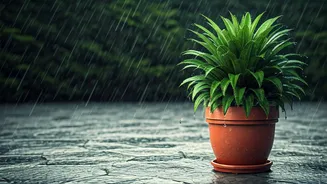
On one side of the debate are the purists, the ones who see a gentle rain as the ultimate gift from nature. Their argument is compelling. Rainwater is naturally soft, slightly acidic, and free of the chlorine and other minerals found in tap water, which
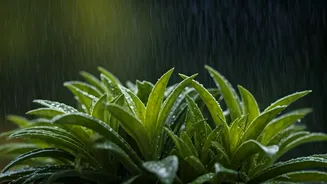
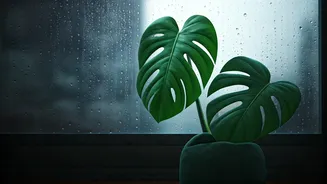
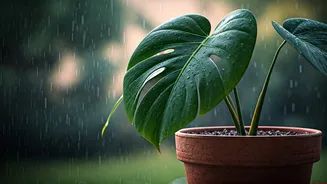
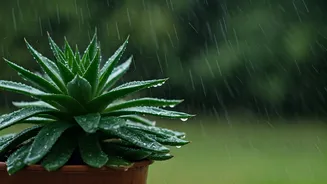
can build up in soil over time. A good shower can also wash away dust and grime that accumulates on leaves, which not only makes them look glossier but can also help them photosynthesize more efficiently. Think of it as a free, all-natural spa day for your monstera. Furthermore, rainwater contains small amounts of nitrogen, an essential nutrient for lush, green growth. It’s a gentle, natural fertilizer delivered straight from the sky. For enthusiasts in this camp, placing their tropical plants outside during a warm summer drizzle is a non-negotiable part of their care routine, mimicking the environment their plants would experience in their native habitat.
A Recipe for Disaster?
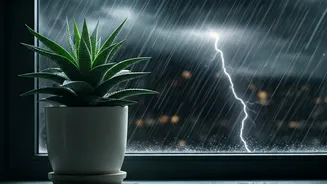
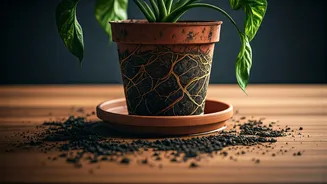
But for every advocate of a rainy-day field trip, there’s a cautious caregiver who wouldn’t dream of it. The potential downsides, they argue, are just too great. The most obvious risk is overwatering. A sudden downpour can completely saturate the soil in a pot without adequate drainage, leading to the dreaded root rot—a death sentence for many houseplants. Then there are the pests. While rain can wash some pests off, it can also splash soil-borne bugs or critters from surrounding trees onto your pristine indoor plants. A deluge can also be physically damaging, with heavy drops or wind tearing delicate leaves on a calathea or a fiddle-leaf fig. Finally, there’s the risk of thermal shock. A plant accustomed to a stable 70°F indoor climate might not react well to a sudden drop in temperature, even if the rain itself isn’t particularly cold. For this group, the controlled, predictable environment indoors is always the safer bet.
Not All Plants Are Created Equal
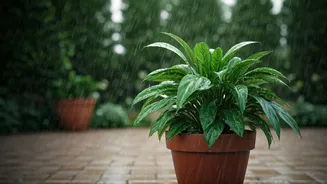
The truth, as it so often is, lies somewhere in the middle. The decision to put a plant in the rain depends heavily on the plant itself. Hardy tropicals with a love for humidity—like bird of paradise, many ferns, and pothos—are often excellent candidates. They’re built for this kind of weather. They have tough leaves and appreciate the extra moisture and the flushing of their soil. On the other hand, succulents and cacti are a definite no. These desert dwellers are adapted to arid conditions and are extremely susceptible to root rot if they get too wet. Similarly, plants with fuzzy leaves, like African violets, can be prone to fungal spots if their foliage stays wet for too long. Fussy plants that are sensitive to any change in their environment, such as the aforementioned fiddle-leaf fig, are also poor candidates for a rainy-day experiment.
The Smart Way to Do It
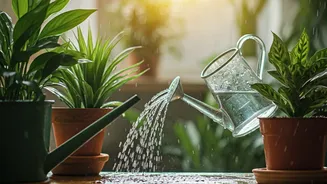
If you're tempted to side with the outdoor-spa enthusiasts, there’s a right way and a wrong way to go about it. First, check the weather. A light, steady, and warm drizzle is ideal; a torrential thunderstorm with high winds is not. Second, ensure your pots have excellent drainage. If your decorative pot doesn't have a hole, this is not the time to test your luck. Third, don't leave them out for too long. An hour or two is plenty to reap the benefits without risking saturation. Finally, consider collecting rainwater in a bucket or barrel instead. This gives you the best of both worlds: you get the benefits of pure, nutrient-rich rainwater for your plants, but you remain in complete control of when and how much they drink. It’s the perfect compromise in this low-stakes horticultural showdown.