

From Side Dish to Center Stage
Remember when samosas were just the obligatory appetizer you shared before the 'real' food arrived? Those days are over. Today, the once-humble street snack is being positioned as the star of the show. This shift is part of a larger culinary trend: the snackification
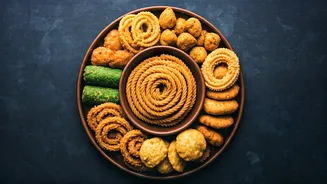
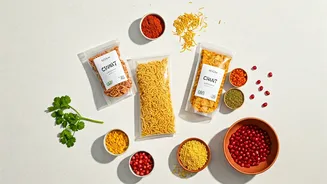
of everything. We’re a nation of grazers, solo diners, and people looking for exciting meals that don’t require a three-hour commitment. Indian street food, with its explosive flavors and single-serving formats, is perfectly suited for this moment. Brands are smartly packaging entire street food experiences. You’re no longer just buying a frozen samosa; you’re buying a Samosa Chaat kit with tamarind and mint chutneys. You’re not just getting a potato patty; you’re getting a ready-to-heat Vada Pav, the beloved Mumbai-style slider. By reframing these items from supporting actors to complete, satisfying meals, brands are tapping into a powerful consumer desire for food that is both convenient and thrilling. The side dish has officially moved to the center of the plate—or, more accurately, the hand-held wrapper.
The Authenticity Gold Rush
American palates have evolved. The generic, one-size-fits-all 'curry' that once dominated Indian restaurant menus no longer cuts it for a generation of foodies raised on TikTok food tours and Anthony Bourdain episodes. Consumers, especially younger ones, crave specificity and authenticity. They don’t just want 'Indian food'; they want the crispy, water-filled pani puri from the carts of Kolkata or the spicy, buttery pav bhaji from the beaches of Mumbai. Indian food brands have recognized this craving and are using it as their core marketing strategy. Instead of dumbing down flavors, they’re dialing them up. Packaging proudly highlights regional origins and traditional names. The story isn't just 'spiced potato,' it's 'Aloo Tikki,' with a backstory about its roots in North Indian markets. This isn’t just a marketing gimmick; it’s a reflection of a deeper confidence in the cuisine itself. Brands are betting that Americans are ready for the real deal, and that bet is paying off. Authenticity has become the new currency, and Indian street food is rich with it.
Built for the Modern American Kitchen
Let’s be honest: most of us don’t have the time or skill to recreate complex Indian dishes from scratch on a Tuesday night. This is where the genius of modernizing street food truly shines. Brands have figured out how to deliver maximum flavor with minimum effort, perfectly aligning with the realities of the modern American household. The freezer aisle, once a wasteland of bland TV dinners, is now a treasure trove of global flavors. High-quality frozen technology allows for the preservation of textures and tastes that were previously impossible to capture. A frozen naan can now be restaurant-quality. A ready-to-eat biryani can maintain the distinctness of its spices and grains. This convenience factor is crucial. It democratizes the food, making an exciting meal accessible to someone who has 15 minutes and a microwave. It’s an invitation to explore a new culture without the intimidation of a complicated recipe, making the vibrant energy of an Indian street market a realistic weeknight dinner option.
The Instagram Factor
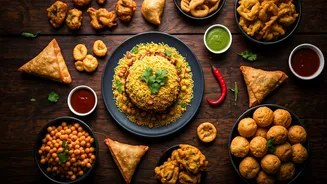
If you didn’t post it, did you even eat it? In the age of social media, food has to look as good as it tastes, and Indian street food is a natural-born supermodel. Think about chaat: a riot of colors and textures, with crunchy sev, vibrant green cilantro, ruby-red pomegranate seeds, and swirls of brown and green chutneys drizzled over the top. It’s a dish that seems custom-made for a close-up shot. Smart brands understand this inherent visual appeal. They are designing products and packaging that pop on a shelf and on a screen. The box doesn’t just show a boring product shot; it evokes a feeling, a place, a vibe. They encourage customers to garnish and assemble their own chaat bowls, a process that’s not only fun but also creates endless opportunities for user-generated content. Every time someone posts their beautifully assembled bhel puri or perfectly golden pani puri, it’s free advertising that feels organic and authentic. The food’s main character energy is photogenic, and in today's market, that’s a massive competitive advantage.