



The Surprising Nutritional Punch
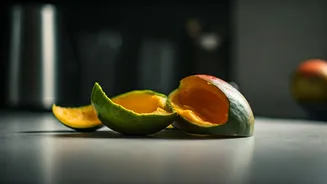
Before you dismiss the idea, let’s talk about what’s inside. The skin of the mango, much like the skin of an apple or potato, is a concentrated source of nutrients. Mango peels are packed with fiber, which is essential for digestive health and can help
you feel fuller for longer. They also contain a significant amount of vitamins A and C, both powerful antioxidants that support immune function and skin health. Beyond vitamins, mango peels are rich in plant compounds like polyphenols and carotenoids, which are responsible for the fruit’s vibrant color. These compounds have been studied for their antioxidant and anti-inflammatory properties. Mangiferin, a particularly potent antioxidant found in high concentrations in the peel, has garnered scientific interest for its potential health benefits. While the sweet flesh of the mango is delicious, a lot of the fruit's protective power is actually stored in the part we most often throw away.
Important Safety Considerations
This isn't a case where you can just start chomping on the peel without a second thought. There are two key safety factors to consider. First, pesticides. Like many commercially grown fruits, non-organic mangoes may have pesticide residues on their skin. To minimize this, always wash mangoes thoroughly under running water, scrubbing with a produce brush. If you plan to eat the peel regularly, opting for organic mangoes is your safest bet. Second, and more importantly, is a potential allergic reaction. Mangoes belong to the same plant family as poison ivy and poison oak. Their peels, stems, and leaves contain urushiol, the same compound that causes the infamous itchy rash. While most people can handle the small amount in a mango peel, those who are highly sensitive to poison ivy may experience contact dermatitis—a rash around their mouth. If you have a known sensitivity, it’s best to steer clear. If you’re unsure, try a very small piece of the peel first and wait to see how your body reacts.
How to Prepare Mango Peels
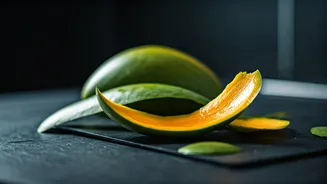
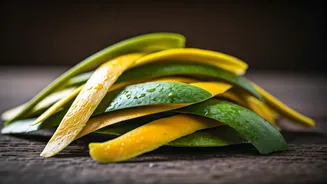
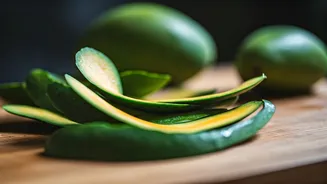
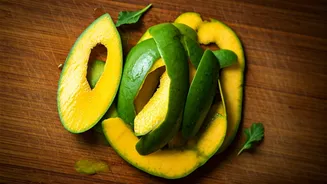
The tough, fibrous texture of a raw mango peel can be off-putting. The key to making it palatable is in the preparation. You don’t want to eat it like a banana peel; you need to process it. First, choose a mango that is ripe but still firm. The peel of a very soft, overripe mango can be leathery and bitter. Wash it well. For a softer texture, you can use a vegetable peeler to take off very thin strips, which will be more tender than thick pieces. These thin strips can be finely julienned or minced and added to salads for a zesty, textural pop. Another popular method is blending. Adding a few pieces of clean mango peel to your morning smoothie is an easy way to incorporate its nutrients without having to deal with the chewiness. The blender breaks down the fibers, making them virtually undetectable.
Creative Ways to Use Them
Ready to experiment? Mango peels are more versatile than you might think. In many parts of the world, particularly in India, using the entire mango is common practice. 1. Make Mango Peel Powder: Dehydrate clean peels in an oven on the lowest setting or in a food dehydrator until they are brittle. Grind them into a fine powder in a spice grinder. This “mango dust” can be added to smoothies, yogurt, or even used as a tangy rim for a cocktail glass. 2. Pickle Them: Thinly sliced mango peels can be quick-pickled with vinegar, sugar, salt, and spices like chili and ginger. This is a common condiment in some South Asian cuisines and makes a fantastic, tangy topping for rice bowls or grilled meats. 3. Infuse Water or Tea: Drop a clean piece of mango peel into a pitcher of water for a subtle, fruity infusion. You can also boil the peel with ginger to create a fragrant, warming tea. 4. Blend into Smoothies: This is the easiest entry point. Simply toss a one-inch square of a clean, raw peel into your next smoothie. The other ingredients will mask any bitterness or tough texture, and you’ll get all the nutritional benefits.