

A Castle with a View
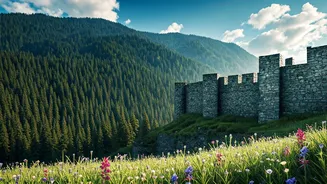
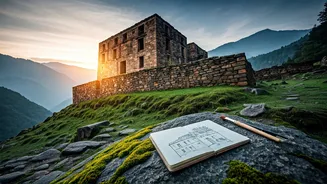
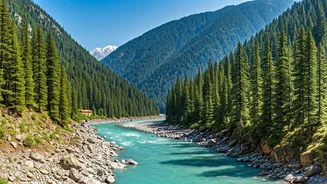
Long before it was a sleepy village, Naggar was the epicenter of regional power. For over 1,400 years, it served as the capital of the Kullu kingdom, and its legacy is etched into the very stones of Naggar Castle. Perched dramatically on a cliff edge
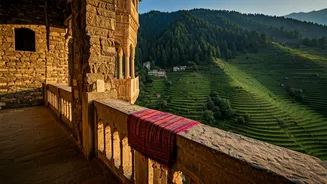
overlooking the Beas River, the castle isn't a European-style fortress but a masterpiece of local Himalayan architecture. Built around the 15th century by Raja Sidh Singh, it employs the traditional 'kath-kuni' style—a clever, earthquake-resistant method of layering timber beams and dressed stone without mortar. As you walk through its courtyards, past intricately carved wooden balconies and doorways, you can almost hear the echoes of royal life. The structure was sold to the British in the mid-19th century and eventually converted into a heritage hotel. Today, visitors can wander its halls, soak in the panoramic views of snow-capped peaks from the open-air restaurant, and feel the weight of centuries. It’s a tangible link to a time when rajas, not tourists, ruled these mountains.
The Russian Artist Who Found Heaven
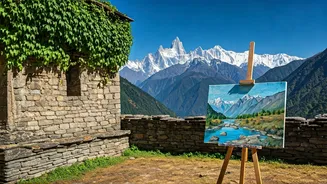
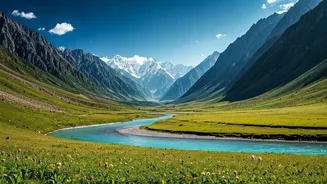
Naggar’s second, and perhaps more globally significant, historical chapter began in the 1920s with the arrival of Nicholas Roerich. A Russian polymath—artist, writer, philosopher, and mystic—Roerich was a towering figure of the early 20th century. After fleeing the Russian Revolution, he embarked on a multi-year expedition across Central Asia in search of spiritual wisdom and the mythical kingdom of Shambhala. He and his family fell in love with the Kullu Valley, seeing in its peaks a reflection of the divine. In 1929, they made Naggar their home. For Roerich, this wasn't just a scenic retreat; it was a spiritual base. He spent the last two decades of his life here, painting thousands of canvases that capture the Himalayas in ethereal, mystical hues of blue, purple, and pink. His work wasn’t just landscape painting; it was a visual representation of his theosophical beliefs, treating the mountains as living, sentient beings. His presence turned this remote Indian village into an unlikely hub for international art and thought.
Walking Through the Roerich Estate
Today, the Roerich family home is a immaculately preserved museum and art gallery that serves as the town’s main draw. Visiting the Roerich Estate is like stepping back in time. You can explore the rooms where Nicholas and his wife, Helena, lived and worked, furnished as they left them. Upstairs, the gallery showcases his stunning paintings. Seeing the vibrant, otherworldly colors he used to depict the very mountains you see out the window is a profound experience. The collection provides a window into his soul and his unique vision of the Himalayas. The estate also honors his son, Svetoslav Roerich, a celebrated painter in his own right who married the iconic Indian film star Devika Rani. Their story adds another layer of glamour and history to the property. Wandering the quiet, pine-scented grounds, looking out at the same vistas that inspired a generation of art, is the main reason Naggar feels less like a tourist spot and more like a pilgrimage site.
The Living History of the Village
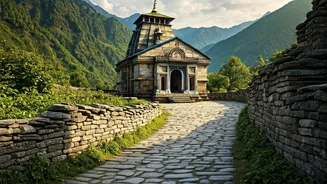
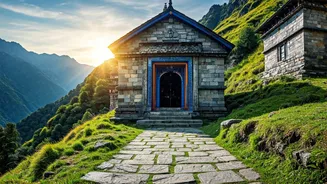
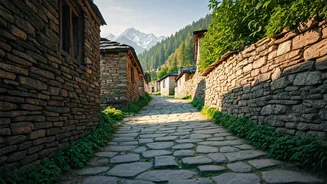
While the castle and the Roerich Estate are the headliners, Naggar’s historical charm permeates the entire village. It’s a place best explored on foot. A short walk from the castle is the Gauri Shankar Temple, a small, beautifully carved 11th-century stone temple dedicated to Shiva. Further up the hill, the Tripura Sundari Temple stands as another stunning example of pagoda-style wooden architecture. These aren’t just ancient relics; they are active places of worship, woven into the daily fabric of the community. The slow pace of life, the traditional wooden homes with their slate roofs, and the friendly locals going about their day all contribute to a sense of authenticity that is often lost in more commercialized destinations. It’s a place where history isn’t just confined to a museum but is a living, breathing part of the landscape.