




Beyond the Buffet Misconception
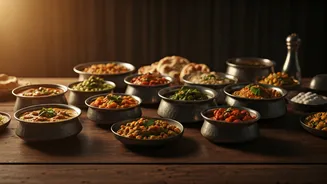
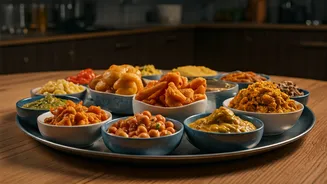
For many Americans, the term “Indian food” conjures images of rich, creamy sauces, fried samosas, and buttery naan bread. While undeniably delicious, this restaurant-centric view represents only a sliver of a vast and varied culinary landscape. It’s the celebratory,
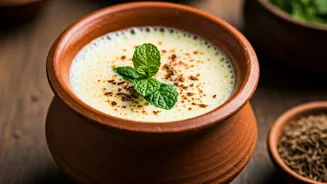
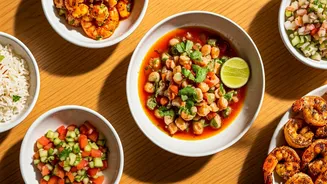
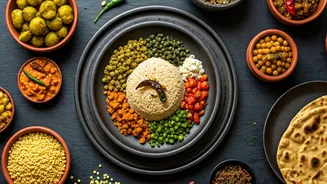
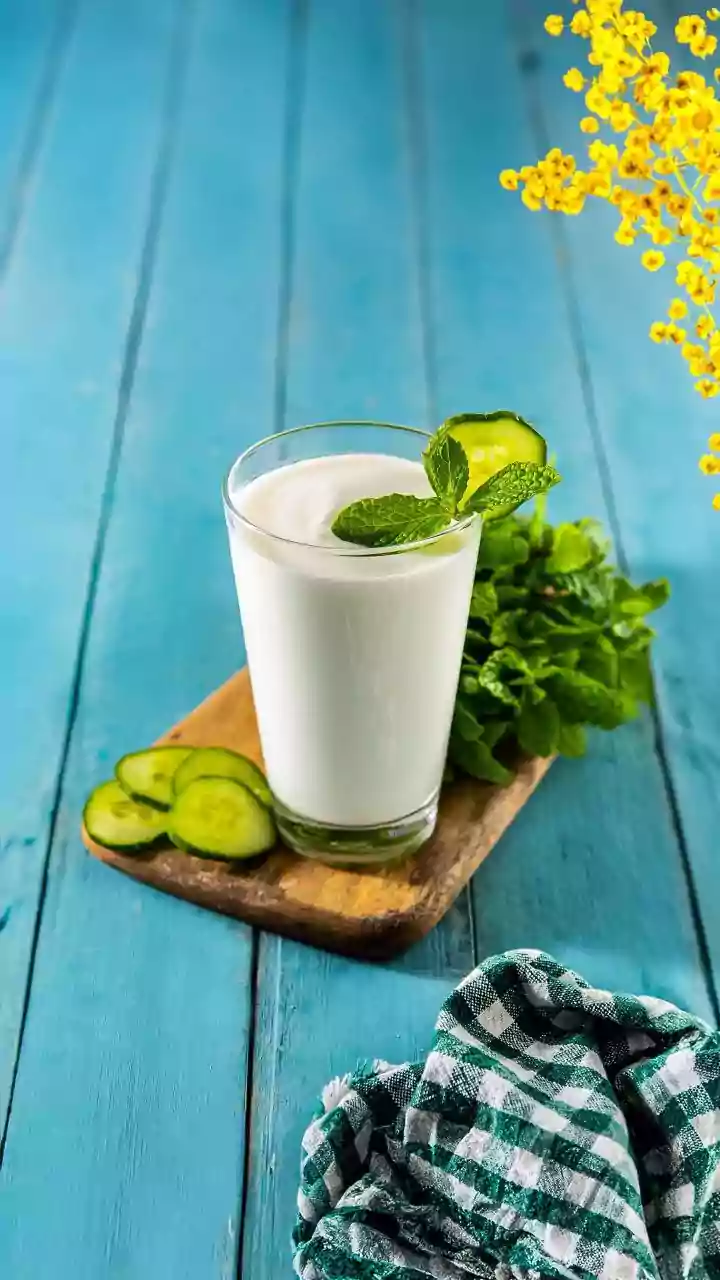
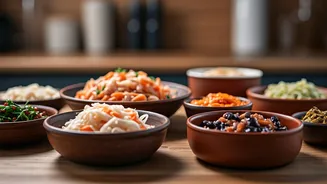
special-occasion food. The everyday reality of Indian home cooking, however, looks vastly different. It’s a cuisine built on a foundation of vegetables, legumes, and whole grains—a diet that has been unintentionally “fibre-forward” for centuries. The typical home-cooked meal is often a masterclass in balanced, plant-centric eating: a simple lentil dal, a seasonal vegetable dish (sabzi), a small serving of rice or a whole-wheat roti, and a side of yogurt. This is the food that nourishes families from Punjab to Kerala, and it’s where the true wellness story lies.
The Original Plant-Based Powerhouses
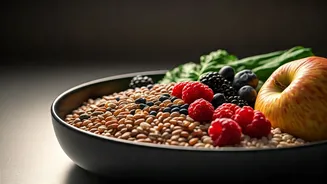
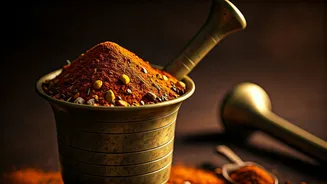
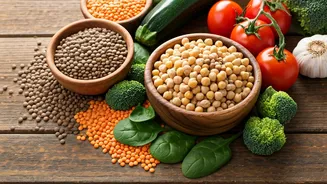
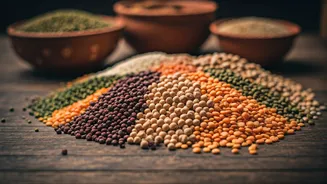
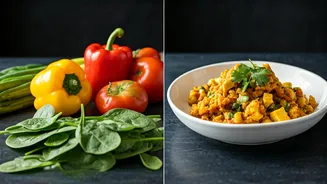
At the heart of Indian cuisine's fiber prowess are its pantry staples. Lentils and legumes are the undisputed stars. A single bowl of dal, the humble lentil stew eaten daily in millions of households, is packed with both soluble and insoluble fiber, promoting digestive health and stable energy. Chickpeas are transformed into chana masala, black-eyed peas into lobia, and kidney beans into rajma—each dish a fiber-rich, protein-packed meal in itself. Grains are also central. While fluffy white rice has its place, whole-wheat flour, or atta, is used to make rotis, chapatis, and other flatbreads that are a cornerstone of North Indian meals. Add to this an incredible diversity of vegetables, from spinach and okra to gourds and eggplant, often cooked with minimal oil and a symphony of spices that aid digestion, like turmeric, ginger, cumin, and fennel. This isn't a diet; it's a dietary architecture perfected over generations.
Wellness That Tastes Like Home
The current embrace of fiber-rich Indian food is more than just a nutritional trend; it’s a cultural reclamation. For many Indian-Americans, the wellness movement has often felt alienating, promoting expensive powders, exotic “superfoods,” and restrictive diets that ignore cultural heritage. The focus on fiber, however, provides a new language to appreciate the wisdom already present in their own kitchens. Suddenly, the simple, nourishing meals their mothers and grandmothers made are being recognized by science as the pinnacle of healthy eating. This shift transforms wellness from something you adopt into something you inherit. It imbues the familiar comfort of a bowl of khichdi (a rice and lentil porridge) or a simple sabzi-roti dinner with a sense of pride and validation. It’s wellness that doesn’t require abandoning your identity, but rather, embracing it more fully.
A Modern Reclaiming of Ancient Wisdom
A new generation of Indian-American chefs, cookbook authors, and wellness influencers are leading this charge. They are consciously moving away from apologizing for the pungent aromas and complex flavors of their food, and are instead celebrating its inherent health benefits. They are de-mystifying ingredients, sharing family recipes on social media, and framing traditional dishes in the modern lexicon of gut health, anti-inflammatory properties, and, of course, high-fiber content. By doing so, they are not only educating a wider American audience but also empowering their own community. They are showing that you don't need to choose between a kale smoothie and a bowl of dal—that the path to modern wellness can be paved with the delicious, time-tested foods of your ancestors. It’s a powerful narrative shift that positions Indian cuisine not as something to be “lightened up,” but as a source of nutritional wisdom for the modern age.