



The Ancient Kitchen Pharmacy
Long before we had probiotics in pill form, ancient wellness systems like Ayurveda viewed the kitchen as a pharmacy. In India, spices weren’t just for flavor; they were chosen for their specific medicinal properties. A pinch of this to reduce inflammation,
a dash of that to aid digestion. These weren't random additions but part of a sophisticated understanding of how botanicals interact with the body. The goal was to maintain balance, or 'agni' (digestive fire), which was seen as the cornerstone of overall health. A strong digestive fire meant nutrients were absorbed efficiently and toxins were eliminated. Modern science is now validating this age-old wisdom, finding that these spice blends can indeed play a powerful role in supporting a healthy gut microbiome.
Turmeric: The Golden Anti-Inflammatory
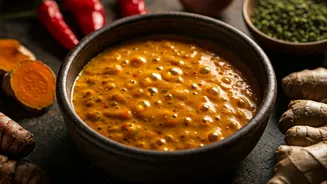
You can't talk about Indian spices without mentioning turmeric. Its brilliant yellow-orange hue comes from curcumin, a compound that has been the subject of thousands of studies. Curcumin's primary superpower is its potent anti-inflammatory effect. Chronic inflammation is a known culprit behind many modern ailments, including gut issues like irritable bowel syndrome (IBS) and leaky gut. By helping to calm inflammation in the gut lining, turmeric can support a more balanced digestive system. In traditional Indian cooking, it's often combined with black pepper. This isn't just for taste; a compound in pepper called piperine dramatically increases the body's ability to absorb curcumin, making the golden spice far more effective.
Ginger: The Digestive Soother
Anyone who has ever reached for ginger ale to settle an upset stomach is already familiar with ginger's gut-soothing abilities. This pungent root is a carminative, meaning it helps prevent and expel gas, relieving bloating and discomfort. It also contains compounds called gingerols and shogaols, which can speed up gastric emptying. When food sits in the stomach for too long, it can lead to indigestion and acid reflux. By encouraging things to move along smoothly, ginger provides gentle relief. It’s a staple in Indian cuisine, often grated into sauces and marinades, providing not just a zesty kick but a built-in digestive aid for the entire meal.
Cumin and Coriander: The Balancing Duo
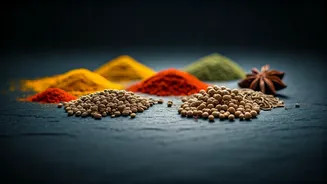
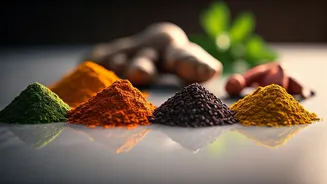
Cumin and coriander are a classic pairing in Indian cooking, frequently used together in spice blends like garam masala. Cumin is known to stimulate the production of digestive enzymes from the pancreas, which are essential for breaking down fats and absorbing nutrients. Some research even suggests it may help alleviate symptoms of IBS. Coriander, on the other hand, is cherished for its ability to cool and calm an overactive digestive system. It’s particularly helpful for soothing the burning sensation associated with acidity and indigestion. Together, they create a balanced effect: one stimulates, the other soothes, working in harmony to promote comfortable and efficient digestion.
Fennel and Fenugreek: The Fiber Friends
Often seen in bowls at the exit of Indian restaurants, fennel seeds are a traditional mouth freshener and digestive aid. Chewing them after a meal releases compounds that can relax the stomach muscles, helping to ease cramps and bloating. Fenugreek, another common spice, is rich in soluble fiber. This type of fiber forms a gel-like substance in the gut, which can help soften stool and promote regularity. It also acts as a prebiotic, feeding the beneficial bacteria that make up a healthy gut microbiome. These 'good' bacteria are crucial for everything from nutrient absorption to immune function, making fiber-rich spices like fenugreek an excellent way to keep your inner ecosystem thriving.
Putting It All Together
You don't need to be an expert in Ayurvedic medicine to benefit from these spices. Incorporating them is as simple as adding them to your daily meals. Start by 'blooming' them in a little hot oil or ghee before adding other ingredients to your pan—this releases their aromatic compounds and enhances their flavor. You can make a simple, all-purpose blend by mixing equal parts ground turmeric, cumin, and coriander. Sprinkle it on roasted vegetables, add it to soups and stews, or use it to season chicken or fish. The key is consistency. A small, regular inclusion of these spices can offer more sustainable support for your gut than sporadic, large doses.