
First, What Is Khichdi?
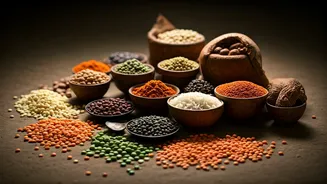
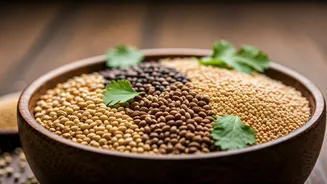
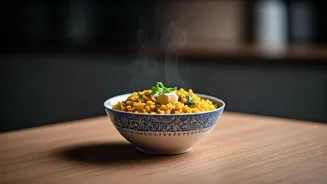
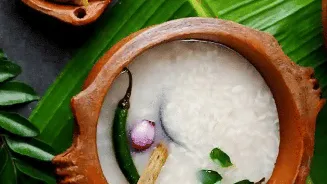
For the uninitiated, khichdi (pronounced KHICH-uh-ree) is a savory, one-pot dish made from rice and lentils. Think of it as the Indian subcontinent’s answer to risotto or congee—but with its own distinct soul. At its most basic, it’s a soft, comforting
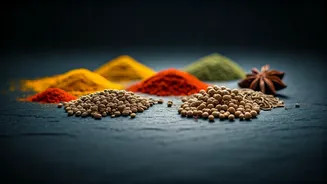
porridge, seasoned with a touch of turmeric and salt. But that’s just the starting point. Khichdi is a canvas. It can be cooked with a variety of lentils, vegetables, and spices. A final flourish of ghee (clarified butter) infused with cumin seeds or garlic, known as ‘tadka,’ elevates it from simple to sublime. Traditionally, it's the go-to meal when you're feeling under the weather—gentle on the stomach, easy to digest, and deeply nourishing. But its role is expanding far beyond the sickbed.
The Backlash Against 'Salad Culture'
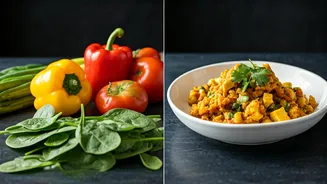
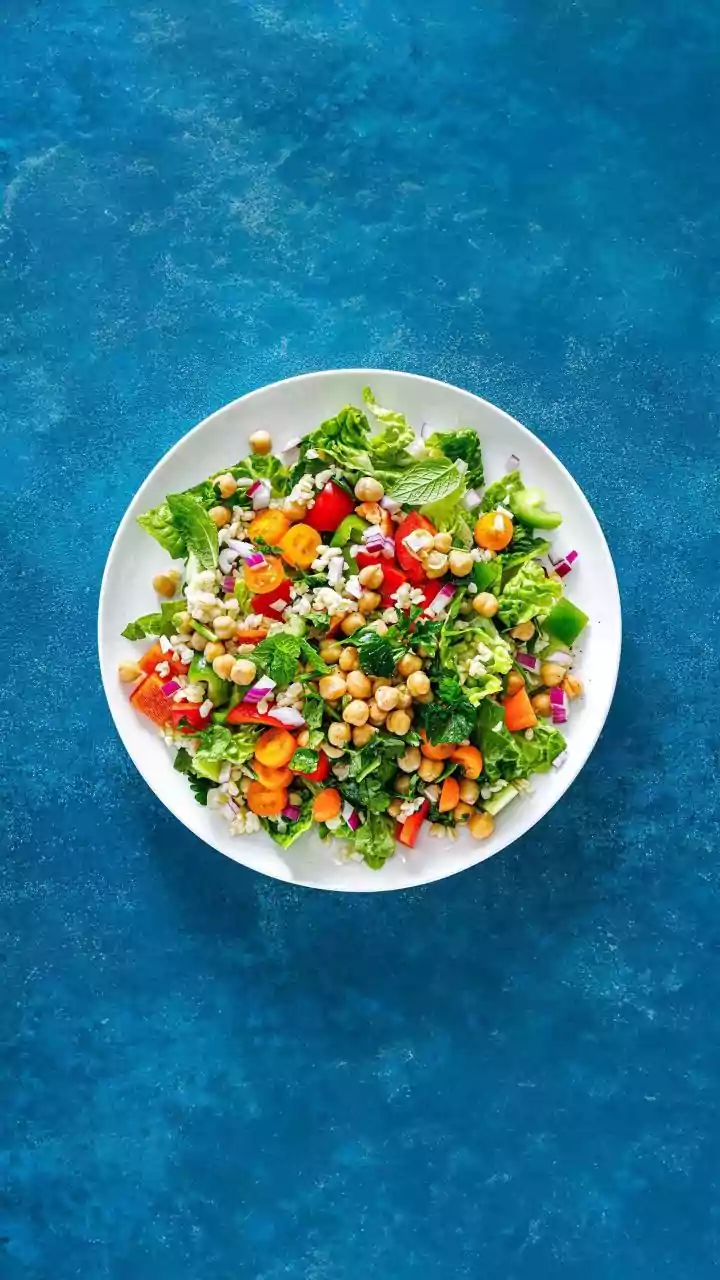
For years, Western wellness trends have dominated the urban Indian landscape. Salads, green juices, and imported “superfoods” became symbols of health-consciousness and modernity. But for many, this came with a side of exhaustion. The pressure to track macros, source expensive ingredients like avocado and arugula, and conform to a diet that felt culturally alienating has led to burnout. A cold, raw salad on a rainy day can feel less like self-care and more like a punishment. The move towards khichdi is, in part, a rejection of this rigid, often joyless performance of health. It’s a collective exhale—a return to food that feels good, not just food that looks good on an Instagram feed.
Rediscovering the Comfort of 'Ghar Ka Khana'
There's a powerful concept in India known as “ghar ka khana,” which translates to “home-cooked food.” It’s a phrase loaded with emotion, evoking feelings of love, security, and nostalgia. Khichdi is the ultimate ghar ka khana. It’s the taste of a mother’s care, the scent of a childhood kitchen. For a generation of young professionals living far from home, often in high-stress jobs, a bowl of khichdi offers more than just sustenance. It’s a direct line to comfort and a powerful antidote to loneliness and anxiety. In a fast-paced, globalized world, this simple dish serves as an anchor to one’s roots, a warm, edible hug that no Caesar salad can replicate.
Not Just Nostalgia—It’s a Modern Superfood
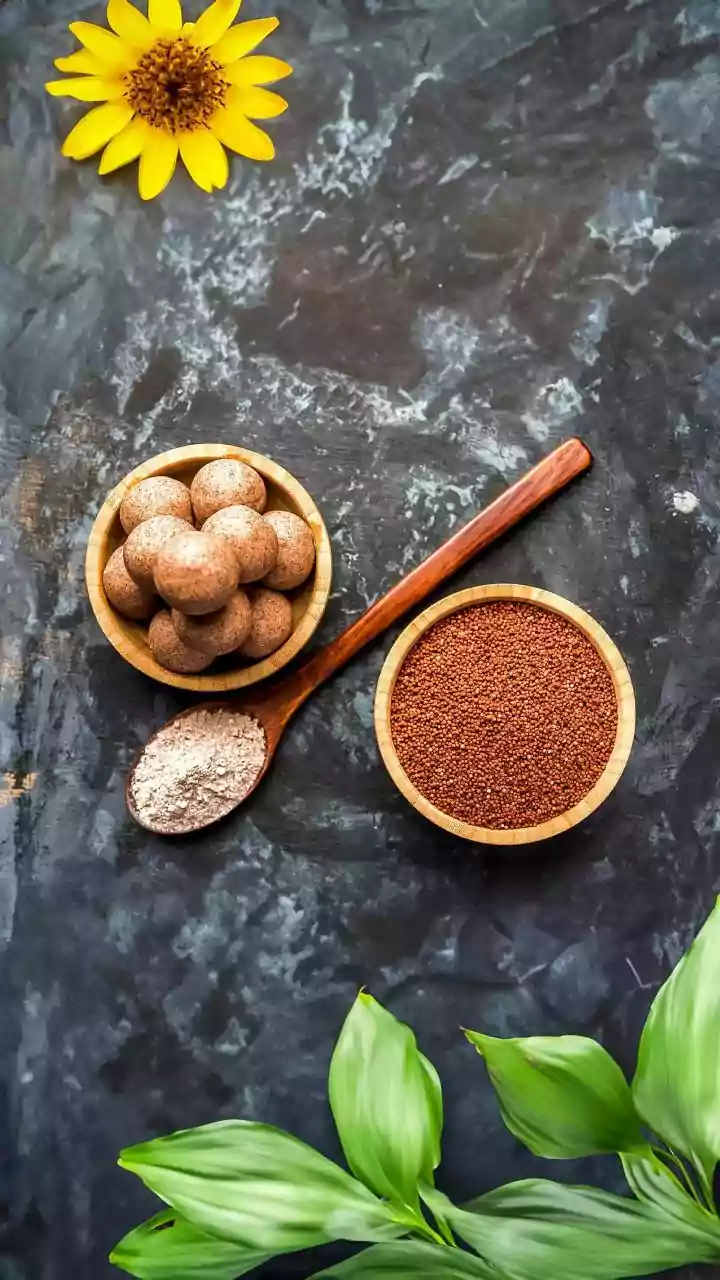
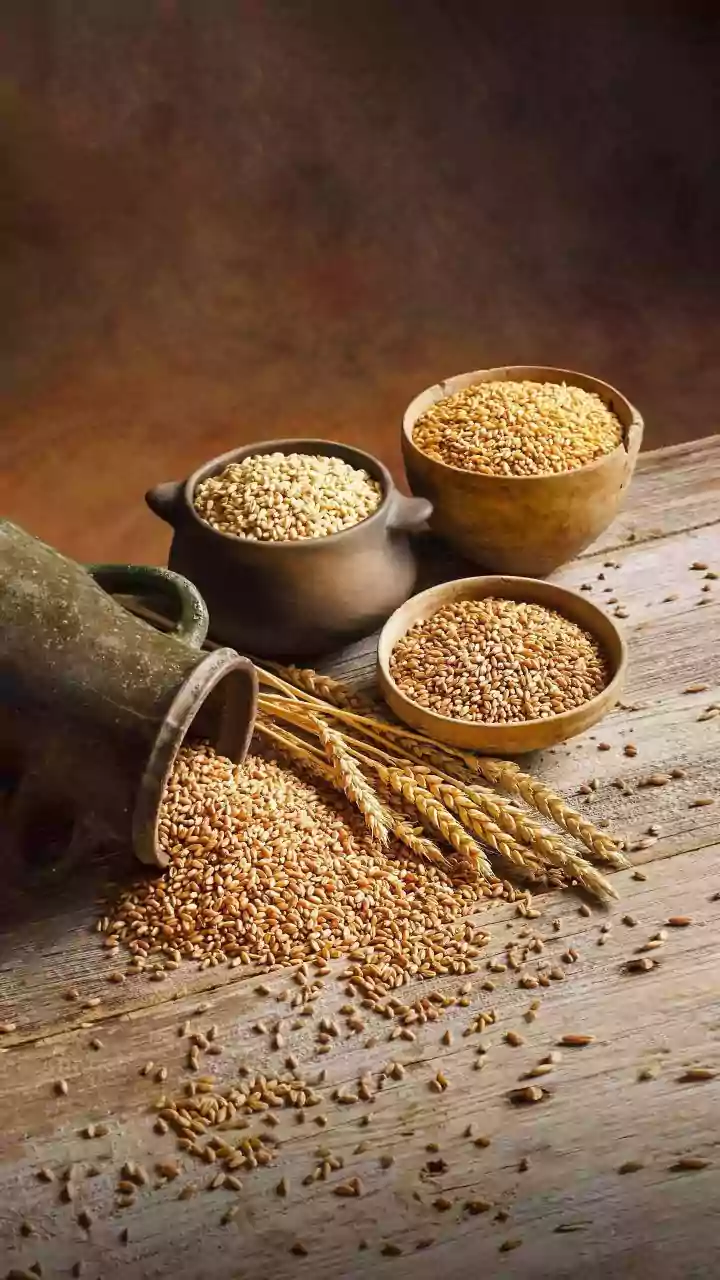
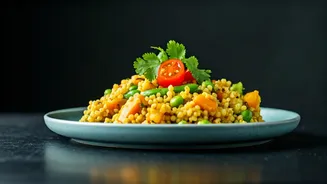
Don’t mistake this trend as a simple retreat into the past. Young Indians are also reframing khichdi through a modern wellness lens, recognizing it as a nutritional powerhouse in its own right. The combination of rice and lentils forms a complete protein, providing all essential amino acids. It’s gluten-free and, according to Ayurvedic tradition, helps balance the body and promote good gut health. The new wave of khichdi lovers are experimenting with healthier grains like millet, quinoa, and brown rice. They’re loading it with vegetables for fiber and adding seeds and spices for their anti-inflammatory properties. Restaurants and health cafes are now serving “gourmet khichdis,” proving that traditional food doesn’t have to be boring.
A Quiet Statement of Cultural Identity
Ultimately, choosing khichdi over a salad is a subtle but significant act of cultural self-assurance. It’s about finding wisdom in one’s own backyard instead of constantly seeking validation from the West. For a generation that grew up being told that “Western is modern,” embracing a dish as quintessentially Indian as khichdi is a way of decolonizing their palates and their mindsets. It’s a declaration that wellness isn’t a one-size-fits-all concept imported from California, but something that can be found in the time-tested traditions of their own heritage. The humble khichdi, it turns out, is the perfect vehicle for this delicious revolution.