




A Finale of Color and Community
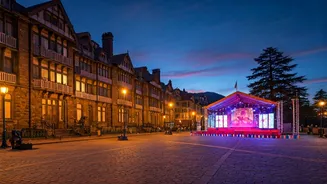
For residents of Shimla, a picturesque city once the summer capital of British India, the conclusion of the annual Shimla Summer Festival is a cherished tradition. This year’s multi-day event, held on the city’s famous promenade, The Ridge, culminated
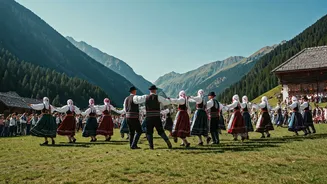
in a vibrant display of Himachali culture. The main attraction wasn't a modern pop concert or a celebrity appearance, but something far more deeply rooted in the region’s soul: the Nati, a traditional folk dance performed by numerous local troupes. Clad in intricate, colorful costumes, dancers moved in long, serpentine lines, their arms linked, showcasing a performance art that is both a spectacle and a communal prayer.
What Exactly Is the Nati Dance?
For most Americans, the Nati is an unknown treasure. Imagine a slow, graceful, and almost hypnotic circular dance, performed to the resonant beats of traditional drums (like the 'dhol' and 'nagara') and the melodic sounds of pipes ('shehnai'). Unlike the high-energy, fast-paced folk dances seen in some parts of the world, Nati is characterized by its unhurried, elegant, and repetitive movements. Dancers, both men and women, link arms to form long chains, swaying and stepping in unison. The name 'Nati' is performed by various communities across the state of Himachal Pradesh, with subtle variations in costume, music, and rhythm that reflect the unique identity of each valley and village. It’s less a choreographed stage show and more a living, breathing expression of collective identity.
The Fabric of Tradition
The visual appeal of the Nati is undeniable, and much of it comes from the stunning traditional attire. The dancers are adorned in finely woven woolen clothes, a necessity in the cool mountain climate. Men often wear flowing tunics ('cholas') with sashes ('doras') and intricately embroidered caps, while women are draped in patterned shawls, heavy silver jewelry ('jhumkis' and 'chokers'), and vibrant headscarves. Every piece of clothing and jewelry is a testament to the region's masterful craftsmanship and local aesthetics. This isn't a costume donned for tourists; it's the formal, celebratory dress of the Himachali people, worn with immense pride during festivals, weddings, and religious fairs. The dance is a vehicle for displaying this cultural wealth.
More Than Just Movement
The Nati isn’t performed merely for entertainment. Historically, its roots are tied to storytelling, religious processions honoring local deities ('devtas'), and celebrating the harvest. The slow, winding patterns of the dance are said to mimic the movement of a snake or the gentle flow of a mountain river. It’s a social adhesive, a way for communities to come together, reaffirm bonds, and participate in a shared heritage. In a world where many folk traditions are fading, the Nati remains remarkably vibrant. Its enduring popularity was cemented in 2016 when it earned a Guinness World Record for the 'Largest Folk Dance,' with nearly 10,000 women performing it simultaneously in the nearby Kullu district. This wasn't a staged event for a record book, but a reflection of its massive, organic participation.