







The Old Guard of 'Toxic' Fitness
Remember the fitness culture that dominated the 2010s? It was a world of extremes. Think punishing CrossFit WODs, military-style bootcamps that promised to break you down to build you up, and influencers promoting a relentless 'hustle' mentality. The
goal was often aesthetic and always quantifiable: a lower body fat percentage, a faster mile, a heavier lift. The subtext was clear: your body was a project to be perfected, and any discomfort, pain, or exhaustion was a worthy sacrifice for results. This 'toxic' workout culture, as it's now being called, often intertwined physical fitness with feelings of guilt and shame. Miss a workout? You're lazy. Eat a carb? You've ruined your progress. For many, exercise became another source of pressure in an already high-stress world—a chore to be endured rather than a joy to be experienced.
What Exactly Is 'Cozy Fitness'?
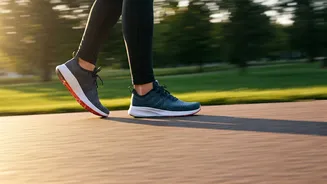
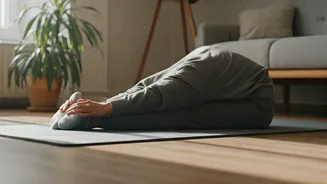
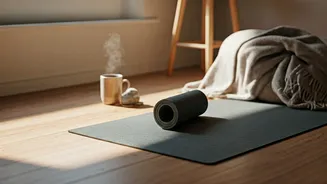
Enter 'cozy fitness,' a term bubbling up from social media platforms like TikTok. It’s less a specific regimen and more of a philosophy. At its heart, cozy fitness prioritizes enjoyment, comfort, and mental well-being over intensity and metrics. The idea isn't to push your body to its absolute limit, but to find gentle, sustainable ways to move that feel good. The most popular iteration is 'cozy cardio.' Instead of sprinting on a treadmill in a crowded gym, picture this: walking on a small walking pad at home, lights dimmed, wearing comfortable pajamas, with a favorite movie or show playing on the TV. Other forms include 'soft hiking'—leisurely walks in nature without the pressure to conquer a summit—and low-impact workouts like Pilates, yoga, or simple stretching routines that focus on mobility and feeling good in your own skin.
Movement as Self-Care, Not Punishment
This shift isn’t happening in a vacuum. It’s part of a much larger generational rethinking of wellness, work, and mental health. Gen Z, a cohort that came of age amid conversations about burnout and the importance of self-care, is applying those same principles to their physical health. They are, by and large, rejecting the idea that self-improvement must be a form of self-flagellation. For them, a successful workout isn't one that leaves them sore for days; it’s one that reduces their anxiety, boosts their mood, and helps them feel more connected to their body. By decoupling exercise from aesthetic pressure and performance anxiety, cozy fitness reframes movement as a tool for mental and emotional regulation. It’s not about 'earning' your food or 'fixing' your body; it’s about carving out a peaceful moment in your day to do something kind for yourself.
A Sustainable (and Marketable) Shift
The rise of cozy fitness also reflects a change in how health is communicated online. The era of the hyper-muscular, unattainable fitness influencer is giving way to relatable creators who showcase their low-key routines. They’re sharing their walking pad setups, their favorite cozy socks for a stretching session, and their favorite trails for a non-intimidating walk. This authenticity resonates deeply with a generation wary of glossy, airbrushed perfection. Of course, the market is catching on. Sales of walking pads, comfortable activewear, and at-home wellness accessories are booming. But even with its commercialization, the core message of cozy fitness remains powerful. It champions a more intuitive, forgiving, and ultimately sustainable relationship with exercise—one where consistency is born from genuine enjoyment, not guilt-driven obligation.