




Echoes of the British Raj
To understand the festival, you first have to understand Shimla. Perched at 7,000 feet, this city in the Indian state of Himachal Pradesh was the official summer capital of British India. From the mid-19th century until 1947, the entire colonial administration
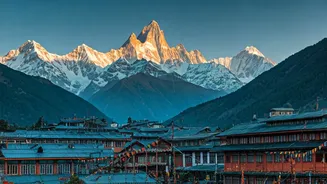
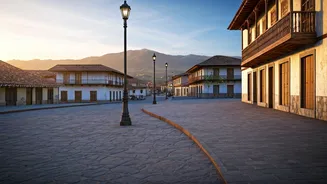
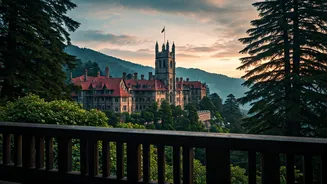
would decamp from the sweltering plains of Delhi and Calcutta to this mountain refuge. They brought their bureaucracy, their social hierarchies, and their architecture. Today, walking along The Ridge or Mall Road feels like stepping into a historical diorama. Neo-gothic churches, Tudor-style cottages, and grand administrative buildings stand as stone-and-timber ghosts of a bygone era. This colonial hangover isn't just scenery; it’s the atmospheric backdrop against which the modern festival unfolds, creating the first and most visible layer of nostalgia.
A Modern Celebration on Historic Ground
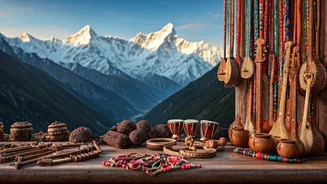
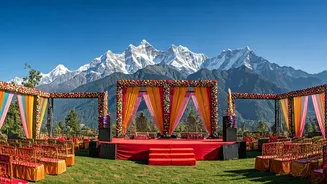
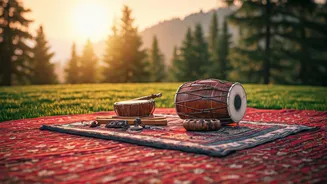
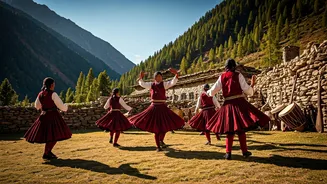
Held annually around late May or early June, the Shimla Summer Festival is a multi-day cultural extravaganza that takes over the town's most iconic public spaces. It's a vibrant, sometimes chaotic, and thoroughly charming affair. One evening might feature a 'Bollywood Night,' with a popular singer drawing thousands of cheering fans to The Ridge. The next might be dedicated to 'Himachali Night,' showcasing the rich tapestry of folk music and dance from the surrounding mountain communities. Throughout the day, you'll find flower shows bursting with rhododendrons and lilies, local food stalls selling sizzling snacks, and art exhibitions celebrating regional talent. It’s a festival that skillfully balances mass appeal with deep-rooted cultural pride, ensuring there’s something for the visiting tourist and the lifelong resident.
A Homecoming for the Heart
While international travelers and domestic tourists flock to Shimla for the festival, its true heart lies with the locals. For generations of Himachalis, the festival marks the official start of summer. It's a time for families to stroll down Mall Road, for children to get ice cream, and for old friends to reconnect. For those who grew up in Shimla but have since moved away to bigger cities for work or education, the festival is a powerful magnet, pulling them back home. The nostalgia here isn't for an empire; it's for childhood. It’s the scent of corn on the cob roasting over coals, the sound of a specific folk song, the feeling of a familiar chill in the evening air. The festival provides a reliable, recurring touchstone for personal memory, a collective family reunion for an entire town.
The Many Layers of Longing
This is what makes the Shimla Summer Festival “peak Himachal nostalgia.” The term refers to a complex, layered longing that is both personal and cultural. There's a bittersweet aesthetic appreciation for the colonial past, divorced from its oppressive politics but preserved in the beautiful, aging architecture. There’s the powerful, universal nostalgia for the simplicity of childhood summers. And, most importantly, there's a fierce, celebratory pride in local Himachali identity, performed and reinforced on a stage once dominated by foreign rulers. The festival doesn't just happen in Shimla; it’s *of* Shimla. It absorbs the town’s complicated history and reflects it back in a kaleidoscopic celebration of what it means to be from this unique corner of the world.