

More Than Just a Compost Bin
When people hear “low-waste,” their minds often jump to composting. While that’s a great step, the real movement is happening before anything gets thrown away. Low-waste cooking is a culinary philosophy centered on using every edible part of an ingredient.
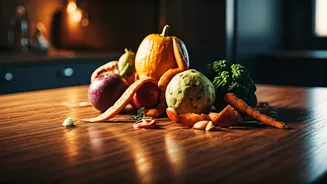
It’s about seeing the potential in carrot tops, broccoli stems, stale bread, and cheese rinds. Think of it as “root-to-leaf” for vegetables or “nose-to-tail” for meat, but applied to the everyday American kitchen. This approach isn’t about deprivation or eating scraps; it's about unlocking hidden value and flavor that we’ve been conditioned to discard. It reframes cooking as an act of creative problem-solving, where the goal is to celebrate the entire ingredient, not just its most popular parts.
The Smart Money and Flavor Angle
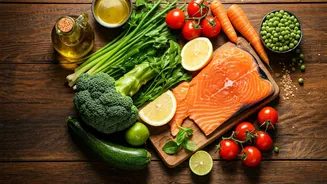
The “smart” in this trend isn’t just about environmental responsibility—it’s about financial and culinary intelligence. With grocery bills on the rise, getting more out of every purchase is a powerful budgeting tool. The average American family throws out hundreds of dollars’ worth of food each year. By transforming wilted greens into a frittata or using chicken bones for a rich broth, you’re essentially getting free ingredients. But the payoff isn't just economic. Those often-discarded parts pack a surprising flavor punch. Broccoli stems, when peeled and roasted, become sweet and tender. Parmesan rinds simmered in a soup add a deep, savory umami that you can’t get from a powder. This trend teaches that waste isn’t just a moral or environmental failing; it’s a missed opportunity for deliciousness.
Start by Auditing Your Trash
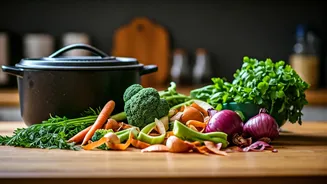
The easiest way to begin is to pay attention to what you habitually throw out. Is it the last few inches of a celery bunch? The tough stems from kale? The end of a loaf of bread? Pick one common item and find a new purpose for it. Those herb stems you strip leaves from can be used to infuse olive oil or simmered in stock. Stale bread is just a few steps away from becoming golden croutons, a hearty panzanella salad, or breadcrumbs for coating chicken. Vegetable peels from carrots, potatoes, and parsnips (as long as they’re washed well) can be tossed in oil and spices and roasted into surprisingly addictive “peel chips.” The key is to shift your mindset from “this is trash” to “what can this become?”
Your Pantry Is the Command Center
A well-stocked pantry is the secret weapon of a low-waste cook. It provides the tools to transform potential waste into an intentional meal. Vinegars (apple cider, red wine, white) can turn wilting vegetables into tangy quick pickles. Good olive oil, salt, and garlic can make almost any roasted vegetable scrap sing. Canned tomatoes, beans, and onions are the foundation for a “clean out the fridge” soup or chili. When you have these staples on hand, a handful of leftover roasted vegetables, a bit of chicken, and some fading herbs don't look like a problem; they look like the beginnings of a fantastic fried rice, a savory tart, or a vibrant pasta sauce. Your pantry gives you the flexibility to pivot and rescue ingredients before they pass the point of no return.
Three Simple Ideas to Try Now
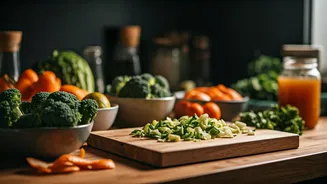
Ready to dip your toe in? Start with these simple, high-reward concepts. First, make **Carrot Top Pesto**. Instead of buying basil, blitz those leafy green carrot tops with garlic, nuts (like walnuts or sunflower seeds), Parmesan, and olive oil for a zesty, earthy pesto perfect for pasta or toast. Second, create a **Broccoli Stem Slaw**. Don’t throw out the thick stalk. Peel away the tough outer layer, and then shred the tender interior with a grater or food processor. Toss with your favorite slaw dressing for a crunchy, refreshing side dish. Finally, brew a **Scrap Vegetable Broth**. Keep a bag in your freezer and add clean onion skins (for color), celery ends, carrot peels, and mushroom stems. Once the bag is full, simmer it all in a pot of water for a few hours, then strain. You'll have a flavorful, free vegetable broth for soups and stews.