


From Chasing Aesthetics to Building Equity
The biggest shift in this new fitness mindset is the goal itself. For years, particularly in our teens and twenties, fitness was often synonymous with aesthetics. The goal was a six-pack, a beach body, or fitting into a specific outfit. This is an outcome-based
approach, and it’s notoriously fragile. When the results don’t appear on a deadline, motivation plummets. ‘Adulting’ fitness reframes the goal entirely. Instead of chasing a look, you’re building equity in your future self. The new goal isn’t being ready for summer; it’s being able to haul luggage without throwing out your back in your 40s, play with your grandkids in your 60s, and maintain cognitive function in your 80s. This is a process-based approach focused on longevity. Each workout, walk, or stretch session is a small deposit into your long-term health account. It’s less about a dramatic transformation and more about sustainable maintenance, much like contributing to a 401(k). The focus moves from how your body looks to what your body can *do*—and what you want it to keep doing for decades to come.
The Rise of the 'Good Enough' Workout
The 'go hard or go home' mantra was a hallmark of a previous fitness era. It created a damaging binary: either you completed a punishing, sweat-drenched, hour-long workout, or you did nothing. This perfectionist mindset is the enemy of consistency. Life gets in the way—a late meeting, a sick kid, sheer exhaustion—and the hour-long session becomes impossible, leading to a sense of failure. The adulting approach champions the 'good enough' workout. It recognizes that a 20-minute walk at lunch is infinitely better than the hour-long HIIT class you skipped. It celebrates consistency over intensity. This might look like taking the stairs, doing a 10-minute mobility routine while the coffee brews, or a light yoga session before bed. By lowering the barrier to entry, you make it harder to fail. This philosophy recognizes that health isn't built in heroic, isolated bursts; it's forged in the small, repeated, and often unspectacular actions of daily life.
Scheduling It Like a Bill You Have to Pay
One of the cornerstones of adulting is managing responsibilities. You pay your rent, you file your taxes, you show up for work. The new fitness routine applies this same non-negotiable framework to self-care. Instead of waiting for inspiration to strike, you schedule it. A workout isn’t something you’ll 'try to fit in'; it's a fixed appointment in your calendar, just like a dentist visit or a meeting with your boss. This is where behavioral science comes in. Techniques like 'habit stacking'—linking a new habit to an existing one, like doing 15 push-ups after you brush your teeth—automate the decision. 'Temptation bundling'—pairing an activity you *should* do with one you *want* to do, like only listening to your favorite podcast while you're on the elliptical—makes the routine more appealing. By removing the daily debate of 'should I or shouldn't I?' and turning movement into a scheduled, almost automatic part of your week, you treat your health with the same seriousness you apply to your other obligations.
Investing in the Unsexy Stuff: Recovery and Mobility
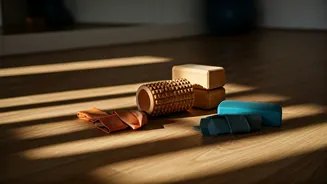
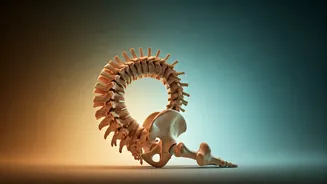
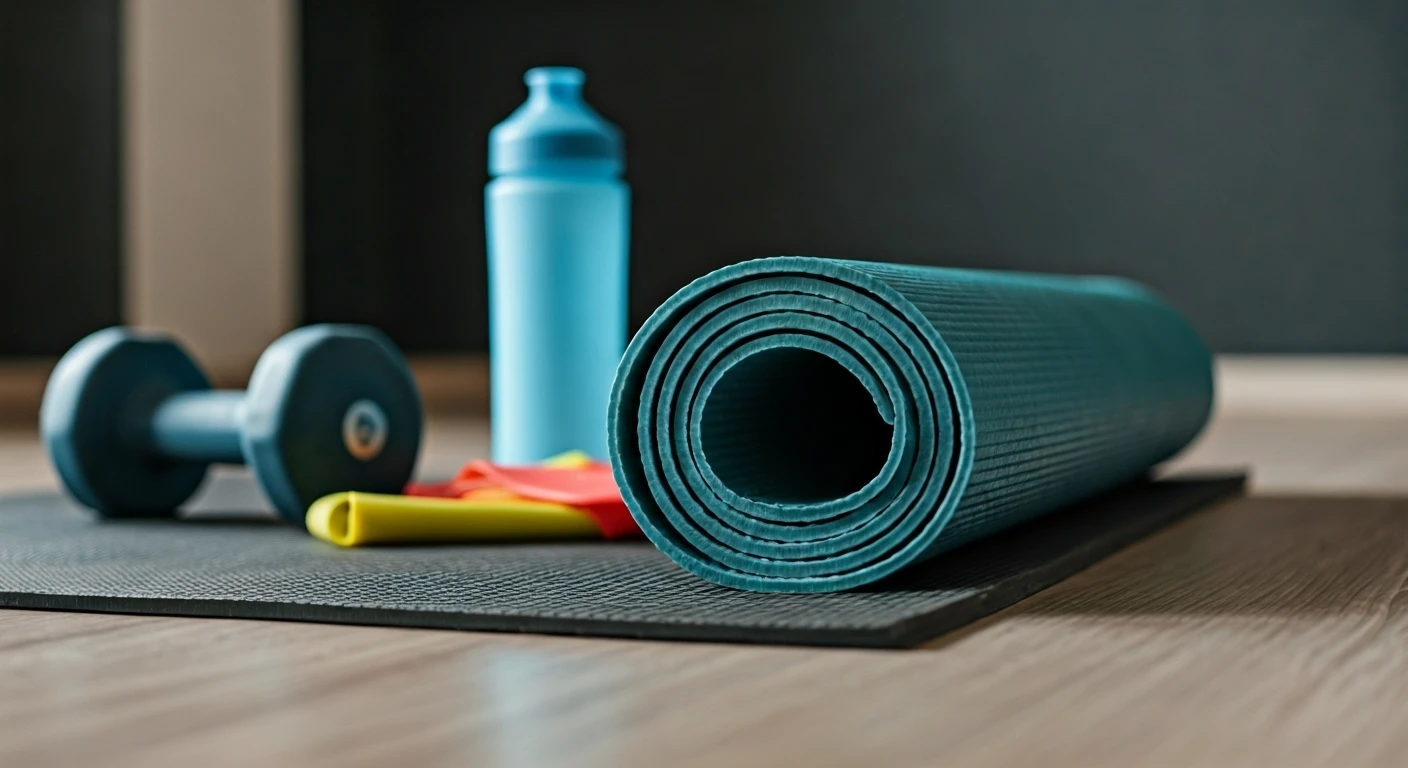
Nothing says 'I'm a grown-up' quite like prioritizing maintenance. You get your car's oil changed not because it’s exciting, but to prevent a catastrophic breakdown. The same logic is now being applied to the human body. The adulting approach to fitness recognizes that performance is only possible with proper recovery. This means prioritizing the 'unsexy' but crucial elements: sleep, nutrition, hydration, and mobility. Instead of just crushing another workout, people are investing time and money in foam rollers, stretching, and low-impact activities like Pilates or yin yoga that improve joint health and flexibility. They understand that a body pushed to its limit without adequate repair is a body headed for injury. This focus on pre-hab and recovery is a clear signal of long-term thinking. It’s an admission that you’re not an invincible 22-year-old anymore, and taking care of the machinery is the only way to ensure it keeps running smoothly for the long haul.